Deep belly fat, clinically known as visceral fat, is far more than just a cosmetic concern. It’s a metabolically active tissue linked to increased risk of chronic diseases like type 2 diabetes, heart disease, certain cancers, and even cognitive decline.
Unlike subcutaneous fat (the fat you can pinch under your skin), visceral fat accumulates around vital organs, releasing hormones and inflammatory substances that disrupt normal bodily functions.
Addressing this hidden fat requires a multifaceted approach that goes beyond simply “calorie counting.” This article delves into five key strategies – incorporating insights from nutritional science, exercise physiology, behavioral psychology, hormonal balance perspectives, and the emerging field of gut microbiome research – to help you effectively target and reduce dangerous visceral fat.

Comprehensive Nutrition Can Better Help With Weight Loss
For decades, the dominant narrative surrounding weight loss revolved around the “calories in, calories out” model. While energy balance is fundamental, it’s a gross oversimplification. The source of those calories matters immensely, particularly when it comes to visceral fat.
A diet consistently high in processed foods, refined carbohydrates, and sugary drinks fuels inflammation and promotes visceral fat storage. From a nutritional biochemistry standpoint, fructose, commonly found in sweetened beverages and processed foods, is primarily metabolized in the liver.
Excessive fructose intake overwhelms the liver’s capacity, leading to de novo lipogenesis – the creation of new fat, which is disproportionately stored as visceral fat.
The Power of Protein: Increasing protein intake is a cornerstone of visceral fat reduction. Protein has a higher thermic effect of food (TEF) – meaning your body burns more calories digesting it – than carbohydrates or fats. More importantly, protein promotes satiety, reducing cravings and overall calorie consumption.
From a muscle protein synthesis perspective, adequate protein intake preserves lean muscle mass during weight loss, which is crucial for maintaining metabolic rate. Aim for 0.8-1.2 grams of protein per kilogram of body weight, spread throughout the day.
Fiber’s Role: Dietary fiber, especially soluble fiber, is another essential component. Soluble fiber forms a gel-like substance in the gut, slowing down digestion and absorption of nutrients.
This helps regulate blood sugar levels, preventing insulin spikes that contribute to fat storage. Furthermore, fiber feeds beneficial gut bacteria (discussed later). Focus on incorporating foods like oats, beans, lentils, fruits, and vegetables rich in soluble fiber.
Healthy Fats: Not all fats are created equal. While reducing overall fat intake might seem logical, eliminating healthy fats can be detrimental.
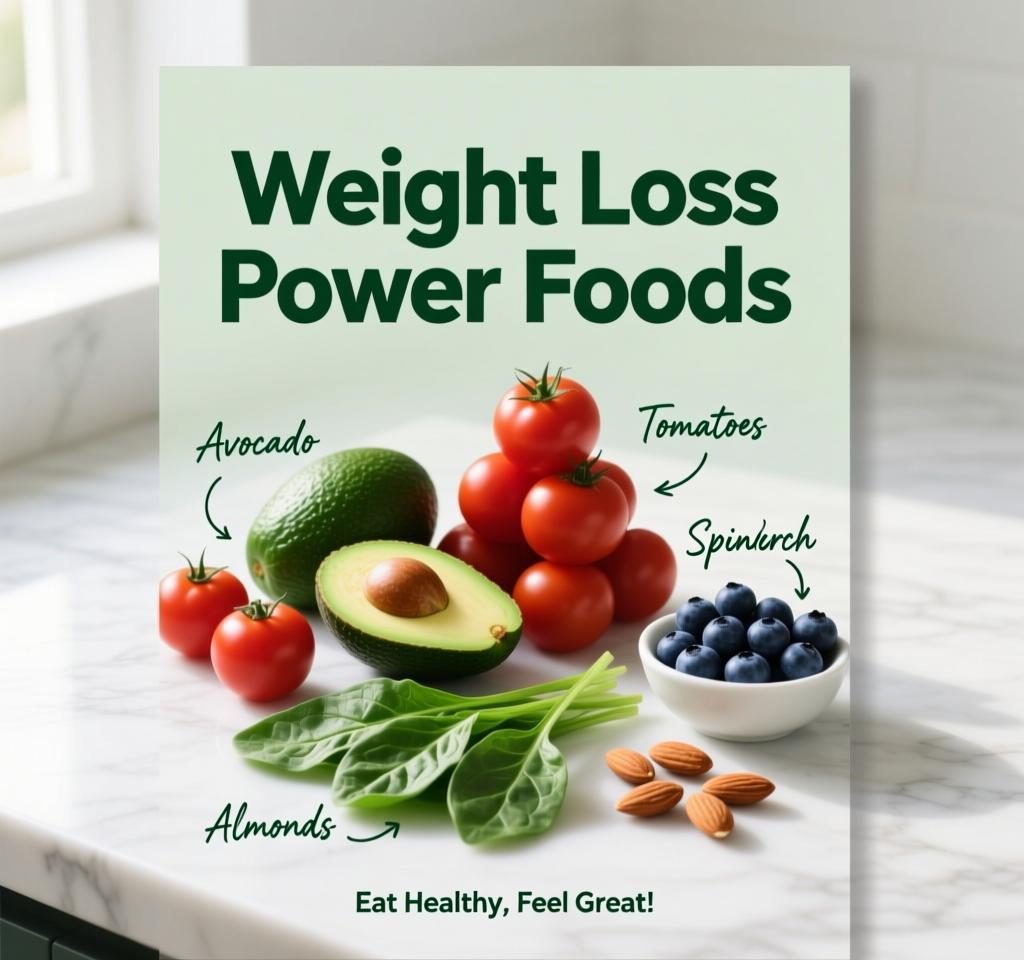
Monounsaturated and polyunsaturated fats, found in avocados, nuts, seeds, olive oil, and fatty fish, are vital for hormone production, inflammation control, and overall health. Omega-3 fatty acids, in particular, have been shown to reduce visceral fat accumulation and improve insulin sensitivity.
The Relationship Between Endocrine System and Deep Belly Fat
Hormones play a pivotal role in regulating metabolism, appetite, and fat distribution. Imbalances in key hormones can contribute to visceral fat accumulation. Understanding the endocrine connection is essential for developing a targeted strategy.
Insulin Resistance
Insulin resistance, a hallmark of type 2 diabetes and metabolic syndrome, is strongly linked to visceral fat. When cells become resistant to insulin, the pancreas produces more insulin to compensate.
High insulin levels promote fat storage, particularly in the abdominal region. Addressing insulin resistance through diet (reducing refined carbohydrates and sugar), exercise, and stress management is paramount.
Cortisol & Visceral Fat
As mentioned earlier, chronic stress and elevated cortisol levels contribute to visceral fat storage. Cortisol promotes the breakdown of muscle tissue and the mobilization of fatty acids, which are then preferentially deposited as visceral fat. Prioritizing sleep, managing stress, and practicing relaxation techniques can help regulate cortisol levels.
Sex Hormones
Declining levels of sex hormones – estrogen in women and testosterone in men – can also contribute to visceral fat accumulation. Estrogen helps regulate fat distribution, while testosterone promotes muscle mass and metabolic rate.
Hormone replacement therapy (HRT) may be an option for some individuals, but it should be discussed with a healthcare professional.
The Impact of Gut Microbiota on Metabolic Health
The gut microbiome – the trillions of bacteria, fungi, viruses, and other microorganisms that reside in your digestive tract – is increasingly recognized as a key player in metabolic health and visceral fat regulation. The composition of your gut microbiome can influence energy extraction from food, inflammation levels, and hormone regulation.
Dysbiosis & Inflammation: Dysbiosis, an imbalance in the gut microbiome, is often characterized by a decrease in beneficial bacteria and an increase in harmful bacteria. This can lead to increased intestinal permeability (“leaky gut”), allowing inflammatory molecules to enter the bloodstream. Chronic inflammation is a major driver of visceral fat accumulation.
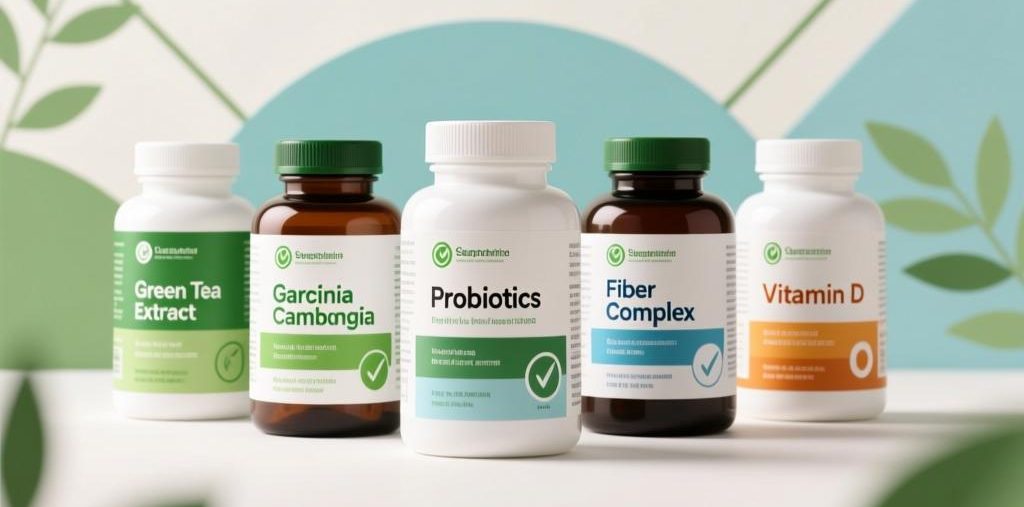
Probiotics & Prebiotics: Probiotics are live microorganisms that, when consumed in adequate amounts, confer a health benefit. Prebiotics are non-digestible fibers that feed beneficial gut bacteria. Consuming probiotic-rich foods (yogurt, kefir, sauerkraut, kimchi) and prebiotic-rich foods (onions, garlic, leeks, asparagus, bananas) can help restore gut microbiome balance.
Short-Chain Fatty Acids (SCFAs): Beneficial gut bacteria ferment dietary fiber, producing short-chain fatty acids (SCFAs) like butyrate, propionate, and acetate. SCFAs have numerous health benefits, including reducing inflammation, improving insulin sensitivity, and promoting satiety. A diet rich in fiber is essential for maximizing SCFA production.
Personalized Nutrition & the Microbiome: The future of nutrition is moving towards personalized approaches, taking into account individual gut microbiome profiles. Emerging technologies allow for microbiome testing, providing insights into an individual’s gut health and guiding dietary recommendations. While still in its early stages, this field holds immense promise for optimizing visceral fat loss.
What Are The Effects of Strength Training on Metabolism?
Cardiovascular exercise is undoubtedly beneficial for overall health and calorie expenditure. However, solely relying on cardio for visceral fat loss is often insufficient. Resistance training, or strength training, plays a critical role.
Muscle mass is metabolically active tissue, meaning it burns calories even at rest. Building muscle increases your basal metabolic rate (BMR), making it easier to maintain a calorie deficit and reduce visceral fat.
The HIIT Effect
High-intensity interval training (HIIT) has emerged as a particularly effective strategy for visceral fat reduction. HIIT involves short bursts of intense exercise followed by brief recovery periods.
From a physiological perspective, HIIT increases levels of epinephrine and norepinephrine, hormones that promote fat mobilization and oxidation. Moreover, HIIT improves insulin sensitivity and mitochondrial function, further enhancing metabolic health.
NEAT: The Underestimated Factor
Non-exercise activity thermogenesis (NEAT) refers to the calories burned through all physical activity excluding exercise. This includes walking, fidgeting, taking the stairs, and performing household chores.
Increasing NEAT can significantly contribute to daily calorie expenditure and aid in visceral fat loss. Simple strategies include taking frequent breaks from sitting, walking during phone calls, and choosing active transportation options.
conclusion
If you have a significantly large amount of belly fat, especially if you also have other health concerns (like high blood pressure, high cholesterol, or diabetes), it’s important to consult with your doctor. They can assess your overall health, determine if you have a high level of visceral fat (sometimes through imaging tests), and recommend a personalized plan to address your specific needs.
In conclusion, tackling deep belly fat is a complex undertaking that requires a holistic and integrated approach. By combining mindful nutrition, strategic exercise, behavioral modifications, hormonal awareness, and gut microbiome optimization, you can significantly reduce your risk of chronic diseases and improve your overall health and well-being.
Remember that consistency and patience are crucial – sustainable changes take time and effort. Seeking guidance from qualified healthcare professionals, including registered dietitians, certified personal trainers, and physicians, can provide personalized support and ensure a safe and effective journey towards a healthier you.
FAQs
What is Deep Belly Fat (Visceral Fat)?
Deep belly fat, also known as visceral fat, isn’t the same as subcutaneous fat (the kind you can pinch). It’s stored inside your abdomen, surrounding your internal organs. This type of fat is metabolically active, meaning it releases hormones and inflammatory substances that can increase your risk of serious health problems like heart disease, type 2 diabetes, and certain cancers. It’s often harder to lose than other types of fat because of its location and hormonal influences.
How is Deep Belly Fat Different From Regular Belly Fat?
Subcutaneous fat lies just under the skin and is generally considered less harmful. While excessive amounts of subcutaneous fat are still linked to health issues, visceral fat poses a greater threat due to its proximity to vital organs and its impact on hormone production. Visceral fat acts more like another organ, actively releasing hormones that can negatively affect your metabolism and overall health. You typically need specific techniques to target visceral fat as it doesn’t respond to exercise and diet the same way as subcutaneous fat.
What Diet Changes Can Help Reduce Deep Belly Fat?
Focus on a diet rich in whole, unprocessed foods. Key components include:
- Increase Protein Intake: Protein boosts metabolism and helps you feel fuller, reducing overall calorie consumption.
- Reduce Added Sugar: Sugary drinks and processed foods contribute significantly to visceral fat accumulation.
- Healthy Fats: Incorporate sources like avocados, nuts, seeds, and olive oil. Avoid trans fats.
- Fiber-Rich Foods: Soluble fiber, found in oats, beans, and fruits, can help reduce appetite and improve gut health.
- Limit Refined Carbohydrates: Choose whole grains over white bread, pasta, and rice.
A Mediterranean diet, emphasizing these principles, is particularly effective.
What Types of Exercise are Most Effective for Targeting Deep Belly Fat?
While no exercise can “spot reduce” fat, certain types are more effective at burning overall calories and reducing visceral fat. These include:
- High-Intensity Interval Training (HIIT): Short bursts of intense exercise followed by brief recovery periods are excellent for fat burning and improving insulin sensitivity.
- Cardiovascular Exercise: Running, swimming, cycling, and brisk walking help burn calories and reduce overall body fat.
- Strength Training: Building muscle mass boosts your metabolism and helps you burn more calories even at rest.
- Core Exercises: While core work won’t directly eliminate visceral fat, strengthening core muscles supports posture and overall fitness.
A combination of these exercise types is ideal.
How Long Does it Take to See Results?
There’s no quick fix for eliminating deep belly fat. It takes consistent effort and patience. You might start to notice changes in your overall health and energy levels within a few weeks, but visible reductions in belly fat typically take several months. Focus on making sustainable lifestyle changes rather than seeking rapid results. A realistic goal is to aim for 1-2 pounds of fat loss per week. Regular monitoring (e.g., waist circumference measurements) can help track your progress.