
The Unique Challenges for Women
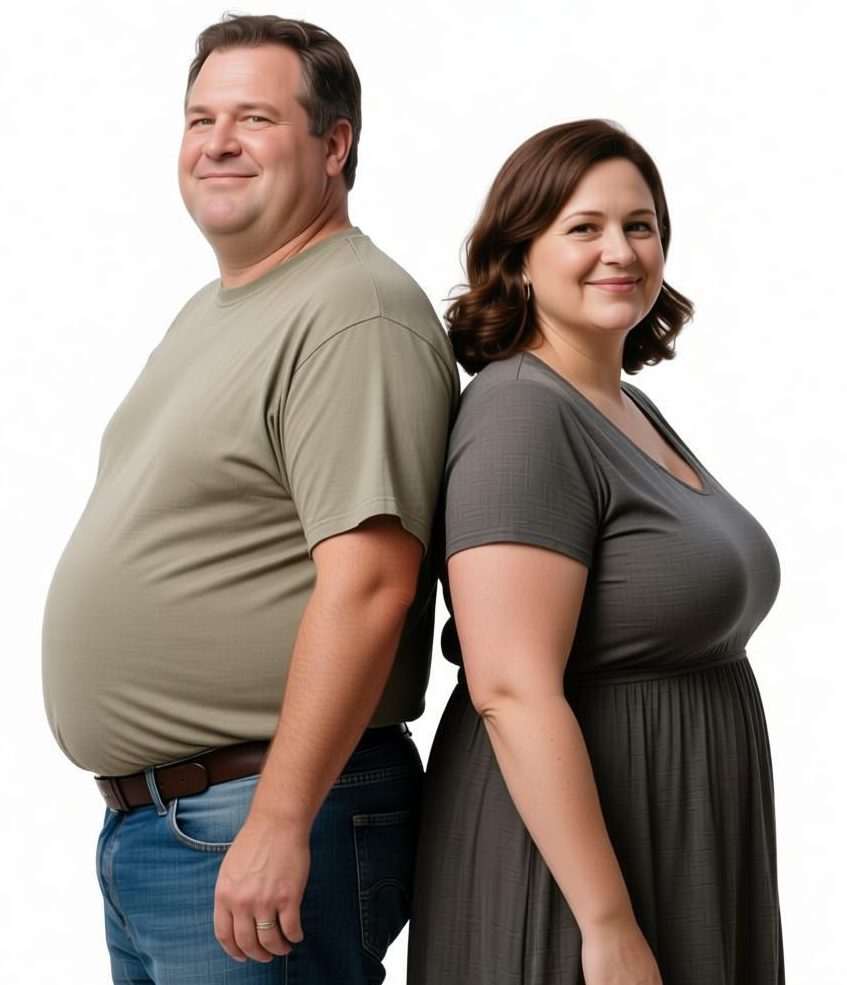
Belly fat, or visceral fat, isn’t just a cosmetic concern; it’s a significant health risk. While both men and women accumulate it, the way women store fat and the reasons behind accumulation differ due to hormonal fluctuations throughout life.
Unlike subcutaneous fat (the kind you can pinch), visceral fat surrounds internal organs, contributing to insulin resistance, increased risk of heart disease, type 2 diabetes, certain cancers, and even cognitive decline.
For women, these risks are compounded by hormonal changes related to puberty, menstruation, pregnancy, perimenopause, and menopause.
These shifts significantly influence fat distribution, often leading to a greater propensity for abdominal fat storage, even with a healthy lifestyle. Understanding these biological factors is the first step in formulating an effective and sustainable strategy.
Furthermore, societal pressures and unrealistic beauty standards often contribute to a cycle of restrictive dieting and subsequent weight regain. This yo-yo dieting can exacerbate metabolic dysfunction and make it harder to lose weight over time.
It’s crucial to shift the focus from quick fixes to long-term health and well-being. This article aims to provide a holistic, medically-sound, and empowering approach to addressing belly fat, specifically tailored for the female body.
How Hormones Affect Your Belly Fat?
Estrogen plays a critical role in fat distribution. During reproductive years, estrogen generally promotes fat storage in the hips and thighs. However, as women approach perimenopause and menopause, estrogen levels decline.
This decrease leads to a shift in fat storage – moving towards the abdomen. Simultaneously, cortisol, the stress hormone, tends to increase with age. Chronically elevated cortisol levels encourage visceral fat accumulation.
Progesterone also declines with age, further diminishing its protective effect against abdominal fat gain. The interplay of these hormones creates a complex picture, requiring a nuanced approach.
Polycystic Ovary Syndrome (PCOS) is another significant hormonal factor. Women with PCOS often experience insulin resistance and increased abdominal fat, regardless of age.
Thyroid imbalances can also contribute to weight gain, including around the abdomen. A thorough medical evaluation is essential to rule out or address any underlying hormonal conditions.
Dieting or A Personalized Nutrition Plan?
Forget restrictive diets. The key to sustainable belly fat loss lies in adopting a nourishing dietary pattern that supports hormonal balance, improves insulin sensitivity, and provides adequate nutrients. This isn’t about deprivation; it’s about fueling your body with what it needs to thrive.
- Prioritize Protein: Aim for at least 0.8-1 gram of protein per kilogram of body weight daily. Protein increases satiety, helps preserve muscle mass (critical for metabolism), and boosts thermogenesis (calorie burning).
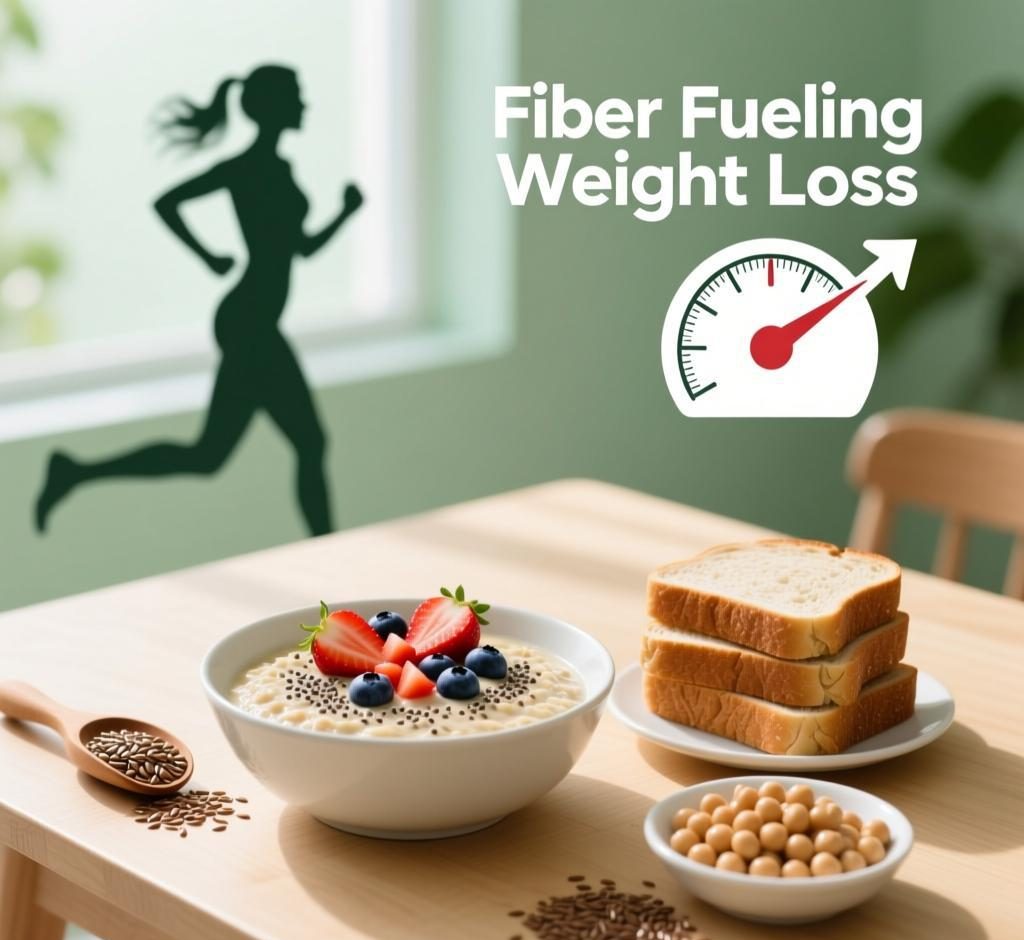
- Embrace Fiber: Soluble fiber, found in foods like oats, beans, and fruits, slows digestion, stabilizes blood sugar, and promotes feelings of fullness. Aim for 25-35 grams of fiber per day.
- Healthy Fats are Your Friend: Don’t fear fat! Include sources of monounsaturated and polyunsaturated fats like avocados, nuts, seeds, olive oil, and fatty fish. These fats support hormone production and reduce inflammation.
- Limit Processed Foods, Sugar, and Refined Carbohydrates: These contribute to insulin resistance and inflammation. Focus on whole, unprocessed foods.
- Hydration is Key: Drink plenty of water throughout the day. Often, thirst is mistaken for hunger.
- Consider Anti-Inflammatory Foods: Berries, leafy greens, turmeric, ginger, and fatty fish contain compounds that can reduce inflammation, potentially aiding in fat loss.
It’s vital to personalize your nutrition plan based on your individual needs, activity level, and any underlying health conditions. Consulting with a registered dietitian or a physician specializing in nutrition is highly recommended.
Comprehensive Exercise Plan
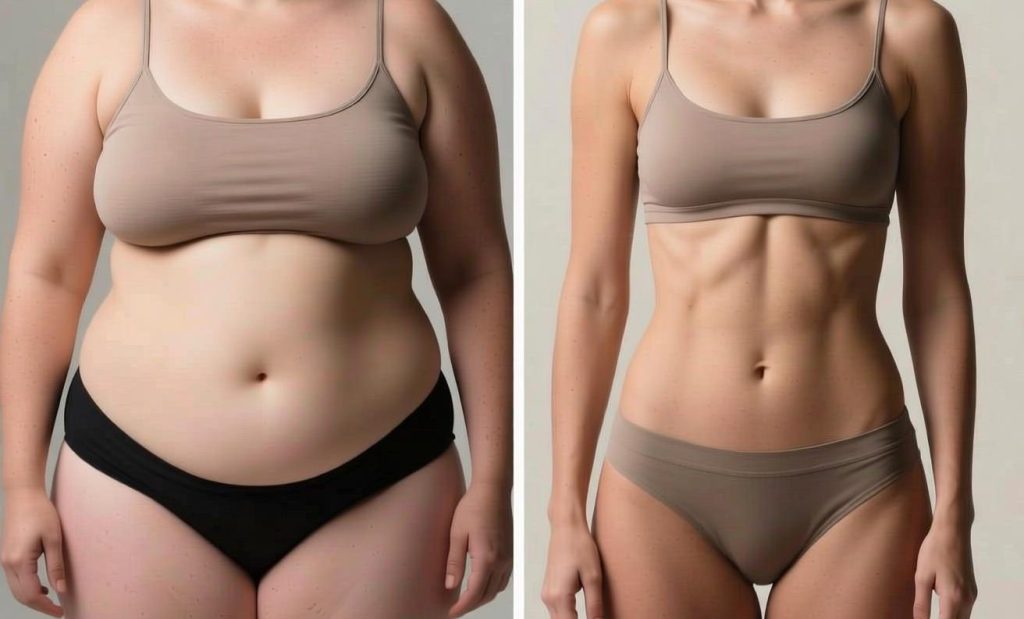
While cardiovascular exercise is beneficial for overall health, relying solely on cardio for belly fat loss is often ineffective. The body adapts to cardio, reducing its calorie-burning potential over time. A well-rounded exercise program should incorporate:
- Strength Training: Building muscle mass is crucial. Muscle is metabolically active, meaning it burns more calories at rest. Focus on compound exercises (squats, lunges, deadlifts, push-ups) that work multiple muscle groups simultaneously. Aim for at least two strength training sessions per week.
- High-Intensity Interval Training (HIIT): HIIT involves short bursts of intense exercise followed by brief recovery periods. It’s highly effective for burning calories and improving insulin sensitivity.
- Moderate-Intensity Cardio: Include activities like brisk walking, jogging, swimming, or cycling for at least 150 minutes per week.
- Mindful Movement: Incorporate activities like yoga or Pilates to improve flexibility, core strength, and reduce stress.
Exercise isn’t just about burning calories; it’s also about improving mood, reducing stress, and boosting self-esteem – all essential components of a sustainable lifestyle change.
Stress Management & Sleep
Chronic stress elevates cortisol levels, as previously mentioned, leading to abdominal fat storage. Effective stress management techniques are, therefore, vital. These include:
- Mindfulness and Meditation: Practicing mindfulness can help reduce cortisol levels and improve emotional regulation.
- Deep Breathing Exercises: Simple deep breathing techniques can calm the nervous system and reduce stress.
- Yoga and Tai Chi: These practices combine physical movement with mindful breathing, promoting relaxation and stress reduction.
- Social Connection: Spending time with loved ones and building strong social connections can buffer against stress.
Sleep is equally important. Lack of sleep disrupts hormone regulation, increases cortisol levels, and impairs insulin sensitivity. Aim for 7-9 hours of quality sleep per night. Create a relaxing bedtime routine and ensure a dark, quiet, and cool sleep environment.
Gut Microbiota and Weight Management
The gut microbiome – the community of trillions of bacteria living in your digestive tract – plays a significant role in weight management. An imbalanced gut microbiome can contribute to inflammation, insulin resistance, and increased fat storage. To support a healthy gut microbiome:
- Consume a Fiber-Rich Diet: Fiber feeds beneficial gut bacteria.
- Include Fermented Foods: Yogurt, kefir, sauerkraut, and kimchi contain probiotics (beneficial bacteria).
- Limit Processed Foods, Sugar, and Artificial Sweeteners: These can disrupt the gut microbiome.
- Consider a Probiotic Supplement: A probiotic supplement may be beneficial, but it’s important to choose a high-quality product and consult with a healthcare professional.
Research on the gut microbiome is ongoing, but it’s clear that nurturing your gut health can have a positive impact on your overall health and weight management efforts.
When to Seek Help
While lifestyle modifications are the cornerstone of sustainable belly fat loss, medical interventions may be appropriate in certain cases. These include:
- Hormone Replacement Therapy (HRT): For women experiencing menopause, HRT can help alleviate symptoms and potentially reduce abdominal fat accumulation, under the guidance of a physician.
- Medications for PCOS: Metformin and other medications can improve insulin sensitivity and manage PCOS symptoms.
- Thyroid Hormone Replacement: For women with hypothyroidism, thyroid hormone replacement can restore normal metabolism and facilitate weight loss.
- GLP-1 Receptor Agonists and other weight management medications: These can be considered in conjunction with lifestyle changes for individuals with obesity and related health conditions, under strict medical supervision.
- Bariatric Surgery: In severe cases of obesity, bariatric surgery may be an option, but it’s crucial to understand the risks and benefits.
It is crucial to consult with a healthcare professional to determine if any medical interventions are appropriate for your individual situation.
For many women, belly fat isn’t just a physical concern; it’s an emotional one. Emotional eating – eating in response to stress, sadness, or boredom – can sabotage weight loss efforts.
Addressing emotional eating requires identifying triggers, developing coping mechanisms, and seeking support from a therapist or counselor if needed. Furthermore, cultivating a positive body image is essential.
Focus on appreciating your body for what it can do, rather than fixating on its appearance. Practice self-compassion and challenge negative self-talk. Remember that health is more than just a number on the scale.
Conclusion
The key to lasting belly fat loss isn’t a temporary fix; it’s a sustainable lifestyle change. This requires consistency, patience, and self-compassion. Don’t strive for perfection; focus on making small, gradual changes that you can maintain over the long term.
Celebrate your successes, learn from your setbacks, and remember that progress is rarely linear. Build a support system of friends, family, or a health coach to help you stay motivated and accountable. View this journey not as a diet, but as a commitment to your overall health and well-being.
Belly Fat FAQs
What is abdominal fat? Is it all the same?
Abdominal fat refers to the fat stored in the belly area. There are two main types: subcutaneous fat (under the skin) and visceral fat (deep inside the abdomen, surrounding organs). Visceral fat is the more dangerous type, linked to increased health risks.
Why is abdominal fat more dangerous than fat in other areas?
Visceral fat isn’t just stored energy; it’s active tissue that releases hormones and inflammatory substances. This can lead to insulin resistance, heart disease, type 2 diabetes, certain cancers, and other health problems.
What causes abdominal fat accumulation?
Several factors contribute, including: genetics, age, hormonal changes (especially in women – menopause, PCOS), diet (high in processed foods, sugar, and unhealthy fats), lack of physical activity, stress, and poor sleep.
Is it possible to target fat loss in just my abdomen?
Unfortunately, no. You can’t “spot reduce” fat. Fat loss occurs throughout the body when you create a calorie deficit. However, certain exercises (like those engaging the core) can strengthen abdominal muscles underneath the fat, improving tone and appearance.
Is abdominal fat the same as bloating?
No. Bloating is a temporary buildup of gas and fluid in the digestive system, causing abdominal discomfort and swelling. Abdominal fat is a long-term storage of energy.