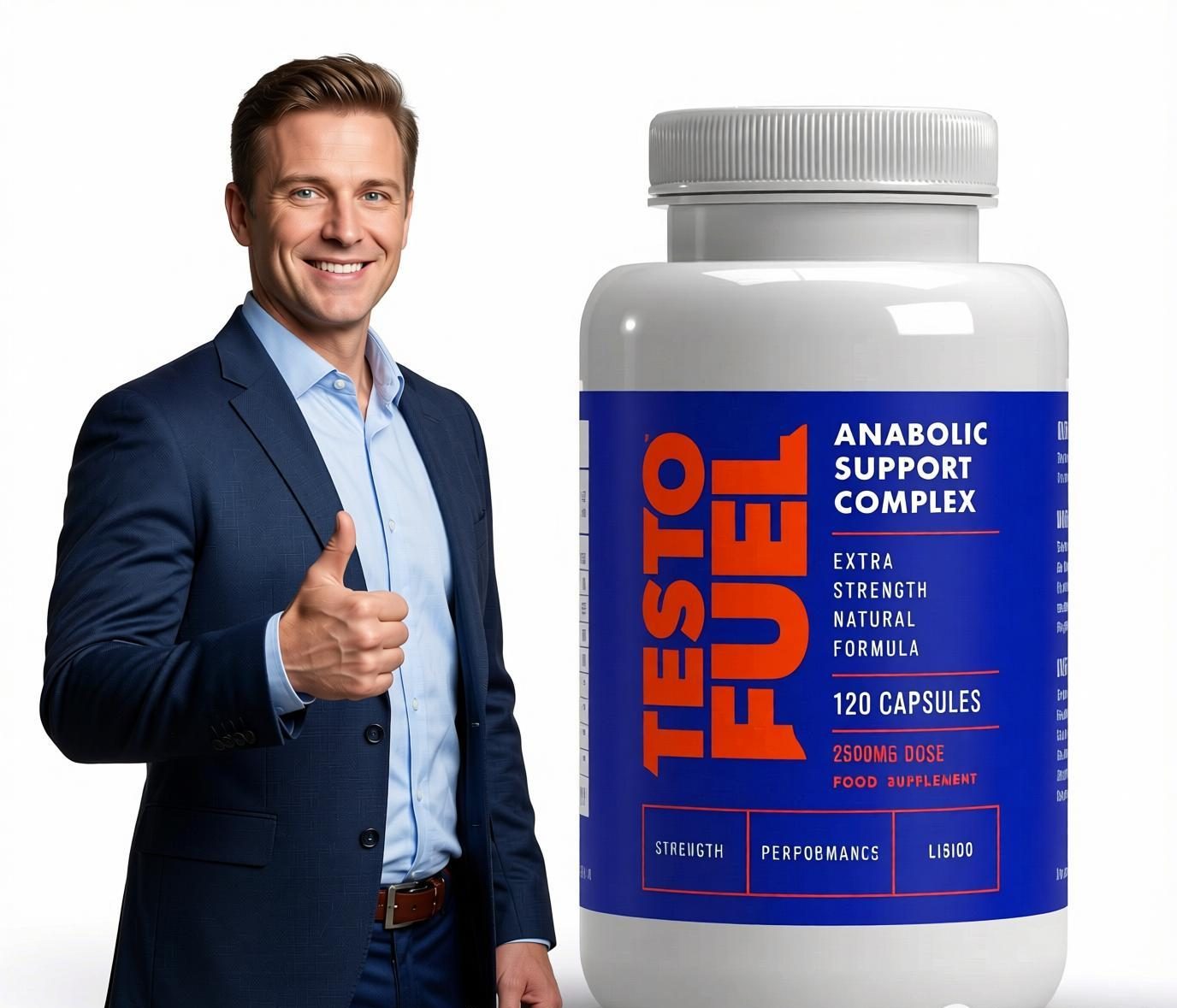
The Marketing Promise: What is Testofuel Claiming to Deliver?
Testofuel is a popular dietary supplement marketed primarily to men seeking to boost testosterone levels, enhance muscle growth, improve libido, and generally increase energy and vitality. Its advertising emphasizes a “natural” formula designed to combat age-related testosterone decline.
The marketing often targets men experiencing symptoms such as fatigue, decreased sexual desire, difficulty building muscle, and a general feeling of diminished well-being.
Testofuel leverages these anxieties and promises a quick and easy solution through its unique blend of ingredients. The branding strongly associates the product with improved masculine traits and performance.
Core Ingredients & Their Scientific Justification
To critically evaluate Testofuel’s efficacy, it’s essential to dissect its ingredient list and assess the supporting scientific evidence. Key components typically include:
- D-Aspartic Acid (DAA): DAA is an amino acid involved in testosterone synthesis. Some studies initially suggested it could increase testosterone, particularly in men with low baseline levels. However, subsequent research, including larger and more rigorous trials, has yielded inconsistent results. Many studies show little or no effect on testosterone, and some even demonstrate a decline over time with prolonged use.
- Zinc: Zinc is crucial for testosterone production, and deficiency is linked to hypogonadism (low testosterone). Supplementation can be beneficial in men with zinc deficiency, but it won’t significantly impact testosterone levels in those with adequate zinc status.
- Vitamin D3: Vitamin D plays a role in various bodily functions, including hormone regulation. Vitamin D deficiency is common, and supplementation can improve testosterone levels in deficient individuals. However, it’s not a testosterone-boosting agent in those with sufficient Vitamin D.
- Magnesium: Magnesium contributes to overall health and may indirectly support testosterone production. Like zinc and Vitamin D, its impact is primarily relevant in cases of deficiency.
- Korean Red Ginseng: Some evidence suggests Korean Red Ginseng may improve erectile function and libido, but its effect on testosterone levels is less clear.
- Fenugreek: Fenugreek has been investigated for its potential to enhance libido and sexual function, but the evidence regarding its impact on testosterone is limited and inconsistent.
- Avena Sativa: Avena Sativa (Wild Oat Straw) is often included in male enhancement supplements, but its efficacy is largely based on traditional use and lacks robust scientific support.
Consumer Experiences: Testimonials and Real-World Results
Online reviews of Testofuel are mixed. While some users report positive experiences, such as increased energy, improved libido, and noticeable muscle gains, others express disappointment and report no noticeable effects or even negative side effects.
It’s crucial to acknowledge that subjective testimonials are often influenced by placebo effects, individual variability, and potential biases. The lack of consistent, measurable results across the consumer base raises concerns about the product’s overall efficacy.
The Skeptic’s Perspective: Questioning Claims and Examining the Data
A skeptical medical professional approaches Testofuel with a critical eye. The marketing claims are often grandiose and lack strong scientific backing.
While some ingredients have shown promise in specific contexts (e.g., Vitamin D in deficient individuals), the combination and dosage in Testofuel haven’t been rigorously studied.
The emphasis on “natural” ingredients is a marketing tactic; “natural” does not equate to “safe” or “effective.” Furthermore, the potential for placebo effects and confirmation bias must be considered when evaluating user reviews.
Potential Risks and Side Effects: What Users Should Be Aware Of
Like any supplement, Testofuel is not without potential risks and side effects. These include:
- Gastrointestinal Issues: Some users report nausea, diarrhea, or stomach upset.
- Allergic Reactions: Ingredients like fenugreek can trigger allergic reactions in susceptible individuals.
- Hormonal Imbalances: While marketed to improve hormonal balance, excessive supplementation can potentially disrupt it, particularly in individuals with pre-existing conditions.
- Drug Interactions: Certain ingredients may interact with medications, especially those affecting hormone regulation or blood clotting.
- Prostate Enlargement: Some ingredients may potentially exacerbate symptoms of benign prostatic hyperplasia (BPH).
- Acne: Some users have reported breakouts, possibly due to hormonal fluctuations.
The Regulatory Landscape: Supplement Oversight and Quality Control
Dietary supplements, including Testofuel, operate under a different regulatory framework than pharmaceuticals. In the United States, the FDA regulates supplements under the Dietary Supplement Health and Education Act (DSHEA).
This law allows manufacturers to bring supplements to market without pre-approval, placing the onus on manufacturers to ensure safety and accurate labeling.
The FDA’s oversight is limited, leading to concerns about product quality, purity, and accuracy of labeling. Third-party testing and certification (e.g., NSF International, USP) can offer some assurance, but are not mandatory.
The Urologist’s Perspective: Addressing Testosterone Decline Naturally
As a urologist, I often counsel men concerned about declining testosterone levels. My approach involves a thorough medical evaluation, including hormone level testing and a discussion of lifestyle factors.
I emphasize the importance of addressing underlying medical conditions, maintaining a healthy weight, engaging in regular exercise, managing stress, and optimizing sleep.
While some supplements may have a marginal impact in specific situations, they should never be considered a replacement for a comprehensive approach to health and well-being.
The Endocrinologist’s View: The Role of Hormones and Safe Supplementation
From an endocrinologist’s viewpoint, understanding the complex interplay of hormones is crucial. While testosterone decline is a natural part of aging, significant deficits can have adverse health consequences.
Supplementation should only be considered under medical supervision, after ruling out other causes of hypogonadism. It’s vital to monitor hormone levels and assess for any adverse effects. The “natural” label on supplements can be misleading, and potential drug interactions should always be considered.
The Pharmacist’s Assessment: Purity, Dosage, and Potential Interactions
A pharmacist’s perspective focuses on the quality and safety of Testofuel. Concerns include the potential for inaccurate ingredient labeling, the presence of contaminants, and interactions with other medications.
The dosage of each ingredient is also important; excessive amounts can increase the risk of side effects. Patients should always inform their pharmacists about all supplements they are taking to avoid potential drug interactions.
Testofuel: A Cost-Benefit Analysis – Is it a Worthwhile Investment?
Evaluating whether Testofuel is a worthwhile investment requires careful consideration. The potential benefits are often modest and lack robust scientific validation.
The cost of the supplement can be significant, and the money might be better spent on lifestyle modifications, medical consultations, or evidence-based treatments. The risk of side effects and potential interactions should also be factored into the decision-making process.
Conclusion: A Balanced Approach to Male Enhancement
Testofuel, like many male enhancement supplements, promises a quick and easy solution to age-related testosterone decline and associated symptoms. However, a critical evaluation of the scientific evidence, consumer experiences, and potential risks reveals a complex picture.
A truly effective approach to male enhancement involves a balanced strategy that prioritizes medical evaluation, lifestyle modifications, and, when necessary, evidence-based treatment options. Supplementation should always be approached with caution and under the guidance of a qualified healthcare professional.