For decades, discussions around male sexual health have often been relegated to treating erectile dysfunction (ED). While ED is a significant concern, it represents just one facet of a much broader and increasingly complex picture.
As a physician with over 25 years of experience in urology and men’s health, I’ve seen firsthand how interconnected physical, psychological, and lifestyle factors are when it comes to a man’s overall sexual wellbeing.
This article moves beyond the simplistic view of “function” and explores a holistic approach to optimizing male sexual health, encompassing desire, arousal, orgasm, and overall satisfaction, considering diverse perspectives and emerging research.
Understanding the Multifaceted Nature of Sexual Health
It’s critical to recognize that male sexual health isn’t solely about achieving or maintaining an erection. It’s a complex interplay of physiological, psychological, relational, and sociocultural elements.
A man’s experience is shaped by factors ranging from hormonal balance and vascular health to his emotional state, relationship dynamics, and even societal pressures surrounding masculinity.
We need to shift from a reactive, problem-solving approach to a proactive, wellness-oriented perspective. Consider this: a man can have a perfectly normal physiological capacity for erection, yet still experience distress due to low libido, premature ejaculation, or anxieties surrounding performance.
Conversely, a man with some degree of physiological impairment might be perfectly satisfied with his sexual function, given the right context and communication.
The Physiological Foundation: Hormones, Vascular Health, and Neurological Function
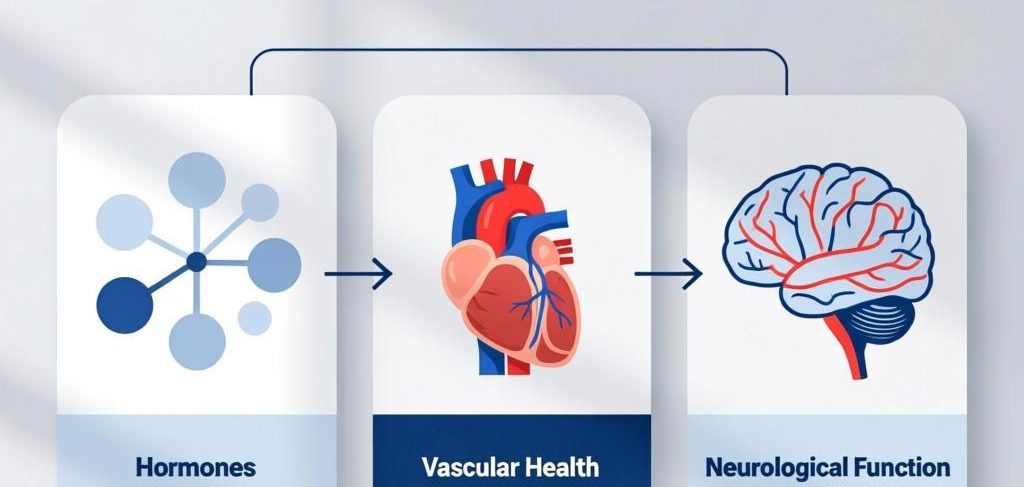
Let’s begin with the biological bedrock. Testosterone, often synonymous with masculinity, plays a crucial role. It influences libido, muscle mass, bone density, red blood cell production, and mood.
While testosterone levels naturally decline with age (approximately 1% per year after 30), symptoms like fatigue, decreased libido, and mood changes may indicate hypogonadism (low testosterone).
However, diagnosis requires more than just a single testosterone level; we need to assess free testosterone, SHBG (sex hormone-binding globulin), and clinical symptoms.
Treatments, when appropriate, range from lifestyle modifications to testosterone replacement therapy, all of which carry potential benefits and risks that need careful consideration.
Beyond testosterone, other hormones are important. Prolactin, when elevated, can suppress libido. Thyroid hormones influence metabolic rate and can indirectly affect sexual function.
Diabetes, a growing epidemic, damages blood vessels and nerves, often leading to ED and decreased sensation. Therefore, optimizing metabolic health—managing blood sugar, cholesterol, and blood pressure—is paramount for sexual wellbeing.
Vascular health is a cornerstone. The erectile process is fundamentally a vascular event – requiring robust blood flow to the penis. Conditions like atherosclerosis (hardening of the arteries) severely impair this process.
Lifestyle factors – smoking, poor diet, lack of exercise – significantly impact vascular health. Pelvic floor muscles also play a vital role, contributing to rigidity and orgasm. Weakness in these muscles can contribute to ED and difficulties with ejaculatory control.
Neurological function is the final piece. The intricate network of nerves responsible for sensation and motor function in the genital area needs to be intact. Injuries, surgeries (especially prostate surgery), and certain medical conditions (like multiple sclerosis) can damage these nerves, leading to sexual dysfunction.
The Psychological Landscape: Desire, Anxiety, and Body Image
The mind profoundly influences sexual function. Psychological factors account for a significant portion of sexual dysfunction – often underestimated.
Performance anxiety is a common culprit. The fear of failing to perform can create a self-fulfilling prophecy, leading to arousal difficulties and premature ejaculation.
Depression and anxiety are strongly linked to decreased libido and impaired sexual function. Antidepressants, particularly Selective Serotonin Reuptake Inhibitors (SSRIs), can have side effects that further complicate sexual health. Addressing underlying mental health conditions is, therefore, crucial.
Body image concerns are increasingly prevalent, particularly in the age of social media. Men may feel pressure to conform to unrealistic ideals of masculinity, leading to dissatisfaction and anxiety that negatively impact sexual confidence and desire.
Past trauma, including childhood abuse or relationship difficulties, can also significantly impact sexual wellbeing. Therapy, such as cognitive behavioral therapy (CBT) or couples counseling, can be invaluable in addressing these underlying issues.
Relationship Dynamics and Communication: The Intimate Connection
Sexual intimacy thrives within the context of a healthy relationship. Communication is key. Many men struggle to express their needs and concerns to their partners, leading to frustration and dissatisfaction. Open and honest dialogue about desires, expectations, and boundaries is essential.
Relationship conflict, lack of emotional intimacy, and power imbalances can all negatively impact sexual desire and satisfaction. Relationship counseling can help couples navigate these challenges and strengthen their connection.
The role of intimacy extends beyond romantic partnerships. Healthy friendships, family relationships, and a sense of belonging contribute to overall wellbeing, which indirectly supports sexual health. Feelings of isolation and loneliness can dampen desire and create a negative feedback loop.
Lifestyle Choices: Fueling Sexual Wellbeing
Lifestyle factors exert a powerful influence on male sexual health. Diet plays a crucial role. A diet rich in fruits, vegetables, lean protein, and healthy fats supports cardiovascular health and hormonal balance. Limiting processed foods, sugary drinks, and excessive alcohol consumption is equally important.
Regular physical activity is vital. Exercise improves cardiovascular health, boosts testosterone levels, reduces stress, and enhances mood – all of which positively impact sexual function. Both aerobic and strength training are beneficial.
Smoking damages blood vessels and negatively impacts erectile function. Quitting smoking is one of the best things a man can do for his overall health, including his sexual health.
Adequate sleep is essential for hormonal regulation and overall wellbeing. Sleep deprivation can disrupt testosterone production and impair sexual function.
Managing stress is paramount. Chronic stress elevates cortisol levels, which can suppress testosterone and impair sexual desire. Techniques like mindfulness, meditation, and yoga can help manage stress.
Emerging Treatments and Innovations
While traditional treatments for ED like PDE5 inhibitors (Viagra, Cialis) remain effective, research is continuously uncovering new and innovative approaches.
Low-intensity shockwave therapy (LiSWT) is showing promise for stimulating blood vessel growth and improving erectile function in some men. Platelet-rich plasma (PRP) injections are also being investigated for their potential to regenerate tissue in the penis.
Prostate health is increasingly recognized as important for sexual wellbeing. New treatments and diagnostic tools are emerging for conditions like benign prostatic hyperplasia (BPH) and prostatitis.
Genetic testing is beginning to play a role in identifying men at risk for certain sexual dysfunction conditions, allowing for earlier interventions and personalized treatment plans.
A Holistic and Patient-Centred Approach: Beyond the Prescription
My approach to male sexual health is centered on the individual patient. It’s not about simply prescribing a medication; it’s about understanding the whole person—their physical health, their psychological state, their relationship dynamics, and their lifestyle choices.
A comprehensive assessment includes a detailed medical history, physical examination, hormonal testing, and psychological evaluation. I also encourage open and honest communication, creating a safe and non-judgmental space for men to discuss their concerns.
Treatment plans are tailored to the individual’s specific needs. This might involve lifestyle modifications, psychological therapy, medication, or a combination of approaches. Education and empowerment are key; I strive to equip men with the knowledge and tools they need to take control of their sexual health.
The Future of Male Sexual Health: A Shift in Perspective
The future of male sexual health lies in a shift away from a purely symptom-driven approach to a proactive, preventative, and holistic model.
This requires increased awareness, destigmatization, and open communication. It also necessitates a greater integration of physical and mental health services, and a recognition that sexual wellbeing is an integral part of overall health and happiness.
Further research is needed to better understand the complex interplay of factors that influence male sexual function. We need to develop more personalized and targeted treatments that address the underlying causes of sexual dysfunction, rather than just masking the symptoms.
And crucially, we need to continue to challenge societal norms and expectations that can negatively impact men’s sexual wellbeing.
Ultimately, empowering men to prioritize their sexual health – not as a luxury, but as a vital component of their overall wellbeing – is the key to unlocking a more fulfilling and satisfying life.