
Understanding the Landscape of Sexual Anxiety
As a physician with years of experience, I’ve witnessed firsthand the profound impact sexual anxiety can have on individuals and relationships.
It’s far more common than many realize, often shrouded in shame and silence. It’s not simply about feeling nervous before sex; it’s a persistent, intrusive worry that significantly interferes with pleasure, intimacy, and overall well-being.
This anxiety can manifest in various ways: performance anxiety, fear of judgment, difficulty initiating intimacy, or a general sense of unease and discomfort.
It’s crucial to understand that sexual anxiety is not a character flaw; it’s a treatable condition with roots in a complex interplay of biological, psychological, and social factors.
From a biological standpoint, anxiety is a natural response to perceived threat. The sympathetic nervous system activates, releasing hormones like adrenaline and cortisol.
While this response is adaptive in genuinely dangerous situations, it can become maladaptive when triggered by sexual situations that aren’t actually threatening.
Hormonal fluctuations themselves, especially during periods of stress or hormonal imbalance, can exacerbate anxiety.
Furthermore, pre-existing conditions like generalized anxiety disorder or depression frequently co-occur with sexual anxiety, compounding the issue.
The Patient’s Story: A Tapestry of Experiences
Let’s hear from Sarah, a 32-year-old woman who sought treatment for sexual anxiety. “I always felt awkward,” she confided. “Even before I started having sex, I’d obsess about what my partner was thinking, if I was doing things ‘right.’ The pressure built up until I’d freeze, or feel completely disconnected. It became a self-fulfilling prophecy – the more I worried, the less present I was, and the less enjoyable the experience became for both of us.” Sarah’s experience isn’t unique. Many patients describe similar cycles of worry, avoidance, and shame.
Another patient, Mark, 45, a successful businessman, spoke about performance anxiety. “It wasn’t about my relationship,” he explained. “It was this constant fear of failing to perform. It was exhausting. I felt like I was constantly on trial.” Mark’s perspective highlights how societal pressures and unrealistic expectations about sexual performance can fuel anxiety, particularly in men.
The Cognitive Behavioral Therapy (CBT) Framework
Cognitive Behavioral Therapy (CBT) offers a powerful framework for addressing sexual anxiety. CBT is rooted in the understanding that our thoughts, feelings, and behaviors are interconnected.
Negative or distorted thoughts contribute to anxious feelings, which in turn lead to behaviors that reinforce the anxiety cycle (e.g., avoidance, reassurance-seeking).
CBT aims to break this cycle by identifying and challenging those negative thought patterns, developing more adaptive coping strategies, and gradually exposing individuals to anxiety-provoking situations.
Core CBT Techniques Applied to Sexual Anxiety
Several CBT techniques are particularly effective in treating sexual anxiety:
- Cognitive Restructuring: Identifying and challenging negative automatic thoughts (NATs). For example, a patient might think, “I’m going to disappoint my partner.” The therapist helps them evaluate the evidence for and against this thought, and develop a more balanced perspective, such as, “My partner cares about my overall well-being, not just my performance.”
- Behavioral Experiments: Testing out beliefs in real-life situations. A patient who fears rejection might engage in a small, low-risk interaction and observe the outcome.
- Relaxation Techniques: Deep breathing exercises, progressive muscle relaxation, and mindfulness practices help manage the physiological symptoms of anxiety.
- Sensate Focus: This is a crucial technique in sexual therapy. It involves a series of exercises designed to increase awareness of physical sensations and reduce performance pressure, starting with non-genital touch and gradually progressing to more intimate contact.
- Graded Exposure: Systematically confronting feared situations in a controlled and manageable way. This might involve starting with simply thinking about sex, then progressing to imagining a sexual encounter, then practicing relaxation techniques while thinking about it, and eventually engaging in brief, low-pressure sexual interactions.
The Therapist’s Perspective: Guiding the Process
As a therapist facilitating CBT for sexual anxiety, my role extends beyond simply teaching techniques. It’s about creating a safe and supportive therapeutic environment where patients feel comfortable exploring vulnerable emotions and experiences. Building rapport and establishing trust are paramount. Active listening, empathy, and non-judgmental acceptance are essential.
The therapeutic process isn’t linear. Patients often encounter setbacks and challenges. It’s vital to validate their struggles, normalize their experiences, and collaboratively adjust the treatment plan as needed.
I often encourage patients to keep a thought record – a journal where they document their thoughts, feelings, and behaviors in anxiety-provoking situations – as a tool for self-monitoring and identifying patterns.
While sexual anxiety often has psychological roots, it can also be influenced by physiological factors such as hormonal imbalances, chronic illnesses, or medication side effects.
In these cases, CBT works in tandem with medical interventions to provide a holistic approach to treatment. For example, individuals with conditions like diabetes or hypothyroidism may experience physical symptoms that contribute to sexual discomfort, which can be compounded by anxiety.
CBT helps address the emotional component of these challenges by teaching coping strategies to manage stress and anxiety, which in turn can improve physical well-being.
Similarly, medications such as antidepressants or antipsychotics can sometimes cause sexual side effects, and CBT can be used to explore alternative treatments or adjust coping mechanisms to mitigate these effects.
The collaboration between medical professionals and therapists ensures that both the biological and psychological aspects of sexual anxiety are addressed, creating a more comprehensive treatment plan.
This integrated approach is particularly beneficial for individuals who may feel trapped by the interplay of physical and emotional factors, offering them a sense of agency and control over their health.
Addressing Specific Concerns: A Deeper Dive
Performance Anxiety in Men
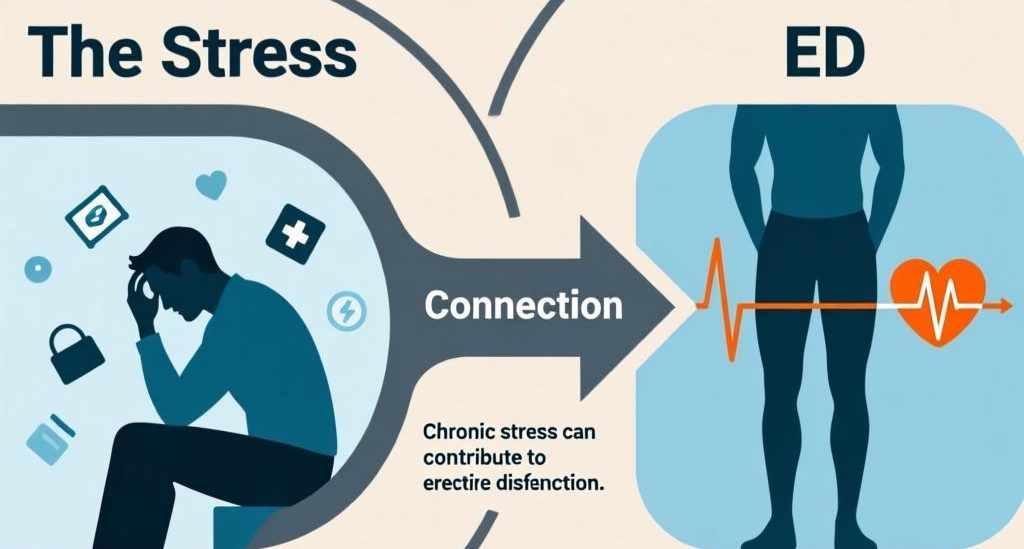
Performance anxiety in men often stems from societal pressures and unrealistic expectations about erectile function and sexual stamina.
CBT can help men challenge these expectations, focus on intimacy and connection rather than solely on performance, and develop strategies for managing anxiety during sexual encounters. Sensate focus exercises are particularly helpful in reducing performance pressure.
Fear of Judgment in Women
Women frequently experience anxiety related to fear of judgment – from their partners, from themselves, or from societal norms.
This can lead to difficulty expressing desires, reluctance to initiate intimacy, and a sense of shame. CBT can help women explore the origins of these beliefs, challenge negative self-talk, and cultivate self-acceptance and body confidence.
Relationship Dynamics and Sexual Anxiety
Sexual anxiety doesn’t exist in a vacuum; it often impacts and is impacted by relationship dynamics. Communication breakdowns, power imbalances, and past trauma can all contribute to sexual anxiety.
Couples therapy, integrated with CBT, can be beneficial in addressing these underlying relationship issues and fostering open and honest communication about sexual needs and concerns.
Beyond the Individual: Societal and Cultural Influences
It’s important to acknowledge that sexual anxiety is also shaped by broader societal and cultural influences. Media portrayals of sex, unrealistic beauty standards, and restrictive cultural norms can all contribute to anxiety and shame.
Addressing these systemic factors, while outside the scope of individual therapy, can help patients develop a more nuanced understanding of their experiences and challenge oppressive beliefs.
Integrating Mindfulness and Self-Compassion
Mindfulness practices, such as meditation and mindful breathing, can be incredibly helpful in managing anxiety. Mindfulness helps individuals become more aware of their thoughts and feelings without judgment, allowing them to observe anxiety without getting swept away by it.
Self-compassion, treating oneself with kindness and understanding, is equally important. Many patients are highly self-critical, particularly when it comes to sexual performance or desire. Cultivating self-compassion can help break this cycle of self-criticism and promote self-acceptance.
While CBT is highly effective on its own, it can be even more powerful when integrated with other therapeutic approaches. For instance, sex therapy, which focuses on improving sexual function and intimacy, can complement CBT by addressing specific sexual concerns such as erectile dysfunction, low libido, or pain during intercourse.
A multidisciplinary approach may also involve medical professionals, such as gynecologists or urologists, to rule out physical causes of sexual discomfort and provide targeted treatments.
In cases where trauma or attachment issues are underlying factors, therapies like eye movement desensitization and reprocessing (EMDR) or attachment-based therapy may be used alongside CBT to address deeper emotional wounds.
Additionally, mindfulness-based interventions, such as mindfulness-based stress reduction (MBSR), can be incorporated to help individuals stay present during sexual interactions and reduce the impact of intrusive thoughts.
This integrative approach ensures that all aspects of a person’s well-being are addressed, creating a more holistic and sustainable path to sexual comfort.
Long-Term Maintenance and Relapse Prevention
CBT isn’t a quick fix. It’s a process that requires commitment and practice. Once patients have developed coping strategies, it’s essential to focus on long-term maintenance and relapse prevention.
This involves regularly practicing relaxation techniques, continuing to challenge negative thoughts, and seeking support when needed. Identifying potential triggers and developing a plan for managing them is also crucial.
The Path to Confidence and Connection
Finding confidence in connection is a journey, not a destination. It requires courage, vulnerability, and a willingness to challenge deeply ingrained beliefs.
CBT provides a roadmap for this journey, empowering individuals to reclaim their sexual wellbeing and experience the joy and intimacy they deserve. It’s a reminder that vulnerability can be a strength, and that seeking help is a sign of resilience, not weakness.
Resources and Further Information
- The American Association of Sexuality Educators, Counselors and Therapists (AASECT): https://www.aasect.org/
- The International Society for Sexual Medicine (ISSM): https://www.issm.info/
- Books on CBT and sexual health
- Qualified therapists specializing in sexual health and CBT