
Understanding Testosterone & Its Role in Men’s Health
Testosterone, often associated with masculinity, is a crucial hormone for men (and present in smaller amounts in women) playing a vital role in a wide range of bodily functions.
Beyond its well-known influence on muscle mass and strength, testosterone is essential for bone density, red blood cell production, libido, mood regulation, cognitive function, and even fat distribution.
As men age, testosterone levels naturally decline—a process known as andropause or “male menopause”—but various lifestyle factors, including diet, significantly impact this process.
This isn’t solely about maximizing “peak” levels; rather, it’s about supporting optimal, healthy testosterone levels that contribute to overall well-being across the lifespan.
It’s vital to differentiate between symptomatic hypogonadism (low testosterone causing noticeable problems) and biochemical hypogonadism (low testosterone levels without symptoms).
Not all men with low testosterone require treatment; often, lifestyle modifications – prominently diet – can make a substantial difference. Furthermore, testosterone is intricately linked with other hormones, and addressing dietary imbalances requires a holistic perspective.
The Nutritional Pillars of Testosterone Support
While diet alone cannot “cure” low testosterone in all cases (some individuals may require medical intervention), it can be a powerful tool to support healthy levels and optimize the body’s natural production capabilities.
The foundational nutrients for testosterone production fall into several key categories: fats, protein, carbohydrates (in moderation and specific forms), vitamins, and minerals. Let’s examine each category in detail.
The Importance of Healthy Fats
Contrary to decades of misguided dietary advice, dietary fat is essential for testosterone production. Cholesterol, derived from fat, serves as the building block for all steroid hormones, including testosterone. However, not all fats are created equal. Focusing on healthy, unsaturated fats is crucial.
- Monounsaturated Fats (MUFAs): Found in olive oil, avocados, nuts (almonds, cashews, macadamia), and seeds. MUFAs support healthy hormone production and overall cardiovascular health.
- Polyunsaturated Fats (PUFAs): Include omega-3 and omega-6 fatty acids. Omega-3s (found in fatty fish like salmon, mackerel, and sardines, as well as flaxseeds and chia seeds) have anti-inflammatory properties that can indirectly benefit testosterone production by reducing systemic inflammation. A balanced omega-6 to omega-3 ratio is vital (ideally 1:1 to 4:1, though the modern Western diet often has a much higher omega-6 ratio).
Severely restricting fat intake, a common practice in the past, is now recognized as detrimental to hormone health.
Protein: The Building Blocks
Protein provides the amino acids necessary for hormone synthesis, including testosterone. Adequate protein intake is essential for maintaining muscle mass, which also contributes to testosterone production.
Sources of complete protein, containing all essential amino acids, include lean meats (beef, chicken, turkey), fish, eggs, dairy products (if tolerated), and plant-based sources like quinoa, beans, and lentils.
The optimal protein intake varies based on individual factors such as activity level and muscle mass goals, generally falling within the range of 0.8 to 1.2 grams per pound of body weight.
Carbohydrates: Timing & Quality Matter
Carbohydrates are often demonized, but they play a crucial role in fueling workouts and replenishing glycogen stores, which can indirectly support testosterone production. However, the type and timing of carbohydrate intake are paramount.
Refined carbohydrates (white bread, sugary drinks, processed foods) lead to insulin spikes and crashes, potentially hindering hormone balance. Prioritizing complex carbohydrates with a low glycemic index is key.
- Complex Carbohydrates: Found in whole grains (oats, brown rice, quinoa), fruits, vegetables, and legumes. These provide sustained energy and promote stable blood sugar levels.
- Timing: Consuming carbohydrates around workouts can help replenish glycogen stores and support muscle recovery, contributing to overall hormonal health.
Key Vitamins and Minerals for Testosterone Production
Several vitamins and minerals directly or indirectly influence testosterone production. Deficiencies in these nutrients can impair hormonal function.
- Vitamin D: Acts more like a hormone than a vitamin and is strongly linked to testosterone levels. Sun exposure is a primary source, but supplementation is often necessary, especially in regions with limited sunlight. Vitamin D deficiency is incredibly common.
- Zinc: Essential for testosterone synthesis and sperm production. Oysters are an excellent source, but zinc is also found in meat, poultry, nuts, and seeds.
- Magnesium: Involved in over 300 enzymatic reactions in the body, including hormone regulation. Deficiencies are common and can impair testosterone production. Found in leafy green vegetables, nuts, seeds, and whole grains.
- Selenium: An antioxidant that protects against oxidative stress, which can negatively impact testosterone levels. Found in Brazil nuts, seafood, and meat.
- Vitamin B6: Plays a role in testosterone production and metabolism. Found in poultry, fish, bananas, and potatoes.
Top 10 Testosterone-Supporting Foods (and Why)
Here’s a breakdown of 10 foods specifically beneficial for supporting healthy testosterone levels, with detailed explanations:
- Fatty Fish (Salmon, Mackerel, Sardines): Rich in omega-3 fatty acids, which combat inflammation and support hormone production.
- Eggs: Excellent source of protein, healthy fats, and cholesterol (the precursor to testosterone). Don’t discard the yolks – they contain most of the beneficial nutrients.
- Beef (Grass-Fed): Provides protein, zinc, and healthy fats. Grass-fed beef tends to have a better omega-3 to omega-6 ratio compared to grain-fed beef.
- Avocados: Rich in monounsaturated fats and potassium, which supports healthy blood pressure and overall hormonal balance.
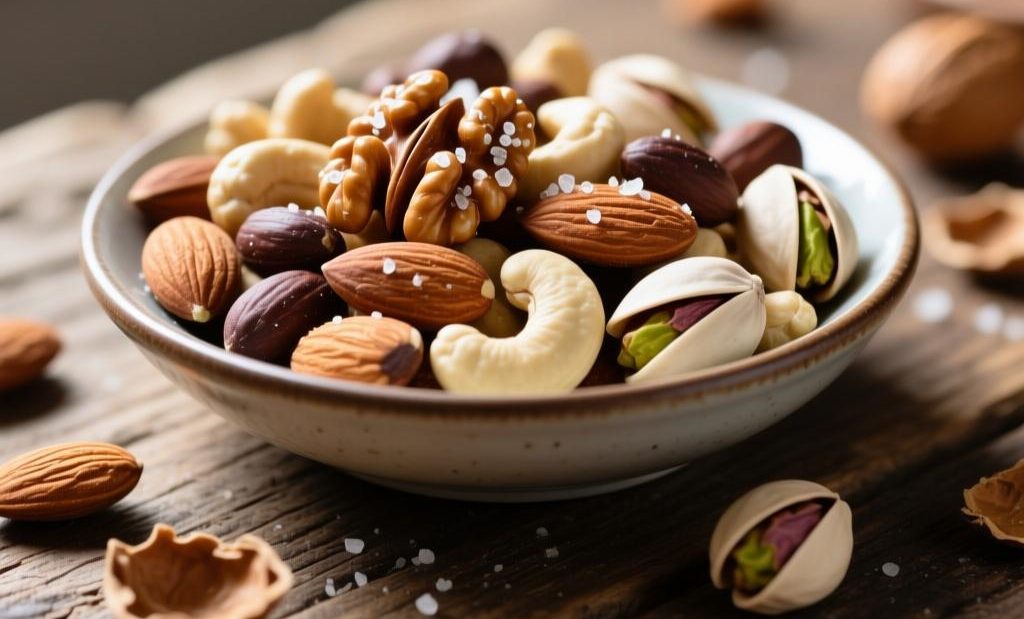
- Nuts and Seeds (Almonds, Walnuts, Chia Seeds, Flaxseeds): Provide healthy fats, protein, fiber, and minerals like magnesium and zinc.
- Oysters: Exceptionally high in zinc, a crucial mineral for testosterone production and sperm health.
- Garlic: Contains allicin, a compound that may help reduce cortisol levels (a stress hormone that can suppress testosterone).
- Cruciferous Vegetables (Broccoli, Cauliflower, Cabbage): Contain compounds that help regulate estrogen levels, which can positively influence testosterone.
- Pomegranates: Rich in antioxidants that protect testosterone from damage.
- Spinach and Leafy Greens: Provide magnesium and folate, both essential for hormone health.
Foods to Limit or Avoid
Just as some foods support testosterone, others can negatively impact levels. Minimizing these is crucial:
- Processed Foods: Often high in unhealthy fats, sugar, and sodium, contributing to inflammation and hormonal imbalances.
- Sugary Drinks: Cause insulin spikes and contribute to weight gain, which can negatively impact testosterone.
- Soy Products: Contain isoflavones, which can mimic estrogen and potentially interfere with testosterone production (moderation is key).
- Alcohol: Can impair testosterone production and liver function.
Individual Variation & Underlying Medical Conditions
It’s important to recognize that dietary responses vary significantly among individuals. Factors like genetics, age, activity level, and overall health status influence how food impacts testosterone.
Furthermore, low testosterone can be caused by underlying medical conditions such as obesity, diabetes, thyroid disorders, and pituitary tumors. In these cases, dietary modifications alone may not be sufficient, and medical intervention may be necessary.
While scientific research provides a framework for understanding the relationship between diet and testosterone, real-world experiences offer valuable insights into practical applications. Many men report improvements in energy levels, libido, and muscle mass after adopting a testosterone-boosting diet.
For example, one individual shared how incorporating foods like oysters, pumpkin seeds, and salmon into his daily meals led to a noticeable increase in his physical performance and sexual vitality.
Another case study highlighted the role of vitamin D supplementation in reversing low testosterone levels, particularly in men with limited sun exposure.
However, user experiences can also reveal challenges and limitations. Some individuals may struggle to maintain dietary changes due to time constraints, cost, or taste preferences. For instance, a man who tried to increase his zinc intake through oysters found the taste unappealing and opted for pumpkin seeds instead.
Others may experience temporary fluctuations in testosterone levels as their bodies adapt to new dietary patterns, emphasizing the importance of consistency and patience.
These anecdotes underscore the need for personalized approaches, as individual responses to dietary interventions can vary widely.
Additionally, lifestyle factors such as sleep and stress management often play a more significant role in testosterone optimization than diet alone. A man who prioritized regular sleep and stress-reduction techniques reported sustained improvements in his hormone levels, even without major changes to his diet.
These real-world examples highlight the multifaceted nature of testosterone health and the importance of integrating dietary, lifestyle, and psychological strategies.
The Role of Lifestyle Factors Beyond Diet
While diet is a critical component, it’s just one piece of the puzzle. Other lifestyle factors profoundly influence testosterone levels:
- Exercise: Resistance training (weightlifting) is particularly effective at stimulating testosterone production.
- Sleep: Adequate sleep (7-9 hours) is essential for hormone regulation.
- Stress Management: Chronic stress elevates cortisol, which can suppress testosterone. Practices like meditation, yoga, and spending time in nature can help manage stress.
- Sunlight Exposure: Promotes vitamin D production.
Medical Risks and Contraindications: When to Seek Professional Guidance
While natural methods can support testosterone health, it is essential to recognize the potential risks and limitations of dietary interventions.
For instance, excessive intake of certain nutrients—such as zinc or vitamin D—can lead to toxicity. High doses of zinc, for example, may interfere with copper absorption and cause gastrointestinal distress, while excessive vitamin D can lead to hypercalcemia, a condition characterized by elevated calcium levels in the blood. These risks highlight the importance of moderation and individualized recommendations.
Moreover, some men may have underlying health conditions that complicate the relationship between diet and testosterone. For example, men with type 2 diabetes or metabolic syndrome may experience hormonal imbalances that require more than just dietary changes.
In such cases, a holistic approach that includes medical supervision, medication, and lifestyle modifications may be necessary. Similarly, individuals with hormonal disorders such as hypogonadism or PCOS may need to consult endocrinologists for tailored treatment plans that address both dietary and medical aspects.
It is also crucial to differentiate between natural testosterone optimization and the use of supplements or exogenous hormones.
While dietary interventions can support baseline testosterone levels, they are not a substitute for medical treatment in cases of clinical hypogonadism.
A healthcare provider can assess hormone levels through blood tests and determine whether dietary changes alone are sufficient or if additional interventions, such as testosterone replacement therapy, are necessary.
Conclusion: A Sustainable Approach to Male Vitality
Supporting healthy testosterone levels isn’t about quick fixes or restrictive diets. It’s about adopting a sustainable, holistic lifestyle that prioritizes whole foods, regular exercise, adequate sleep, and stress management.
By fueling your body with the right nutrients and making conscious lifestyle choices, you can promote vitality, strength, and overall well-being throughout your life. Consulting with a healthcare professional or registered dietitian is recommended to develop a personalized plan tailored to your individual needs and health status.