
Understanding Adolescent Sexual Development
Adolescence is a period of significant physical, hormonal, and emotional change. Sexual development is a crucial part of this process, and experiencing changes in erection patterns is common.
It’s important to remember that every individual develops at their own pace. What’s “normal” for one teen might be different for another. This doesn’t automatically signify a problem. A teenager’s body is still maturing, and their response to sexual stimuli may be unpredictable initially.
During puberty, the testes begin producing testosterone, the primary male sex hormone. Testosterone is responsible for the development of male secondary sexual characteristics, including growth of hair, deepening of the voice, and the development of the ability to achieve erections.
However, the body’s regulation of testosterone can be variable, and this can impact erectile function. Some teens might experience frequent erections during early puberty, while others may have fewer. Both are within the range of normal.
Common Experiences & Variations in Erections
Let’s be clear: erections will happen during adolescence, even if a teen isn’t actively engaging in sexual activity. These can be triggered by: physical stimulation (accidental rubbing against something), sexual thoughts, dreams (nocturnal penile tumescence or “wet dreams”), or even just excitement or anticipation. The frequency and firmness of these erections can vary significantly.
Variations that are generally considered normal include:
- Infrequent Erections: Some teens might not experience erections as often as others. This doesn’t necessarily indicate a problem.
- Difficulty Maintaining an Erection: A brief inability to maintain an erection during attempted sexual activity is common, particularly for those who are just beginning to explore their sexuality.
- Erections that are Not Fully Rigid: The firmness of an erection can vary based on various factors (e.g., level of arousal, psychological state).
- “Wet Dreams”: Nocturnal penile tumescence is a natural way for the body to release semen and experience sexual sensations.
When to Be Concerned: Potential Underlying Issues
While variations in erection patterns are often normal, certain experiences warrant further investigation. It’s important to differentiate between developmental variation and potential medical or psychological issues.
Red Flags – Things to Discuss with a Doctor:
- Sudden or Significant Changes: A previously normal erection pattern that suddenly becomes significantly less frequent or absent.
- Persistent Difficulty Achieving an Erection: Consistent difficulty achieving an erection when attempting sexual activity, despite desire.
- Painful Erections: Any erection accompanied by pain.
- Erections that are Too Frequent: While uncommon, excessively frequent erections (causing distress or discomfort) should be investigated.
- Structural Abnormalities: Any visible abnormalities of the penis or testicles.
- Associated Symptoms: Other concerning symptoms like decreased libido, fatigue, changes in hair growth, or breast enlargement (gynecomastia).
Medical Causes: Exploring Physical Contributors
In some cases, erectile concerns in teenagers can be linked to underlying medical conditions. While less common than psychological factors, these possibilities need to be ruled out.
Possible Medical Contributors:
- Hormonal Imbalances: Issues with testosterone production, thyroid problems, or other hormonal disruptions can affect erectile function.
- Diabetes: Diabetes can damage blood vessels and nerves, impacting blood flow to the penis.
- Neurological Conditions: Certain neurological conditions can interfere with the nerve signals required for erections.
- Anatomical Abnormalities: Rarely, congenital (present at birth) anatomical abnormalities can affect erectile function.
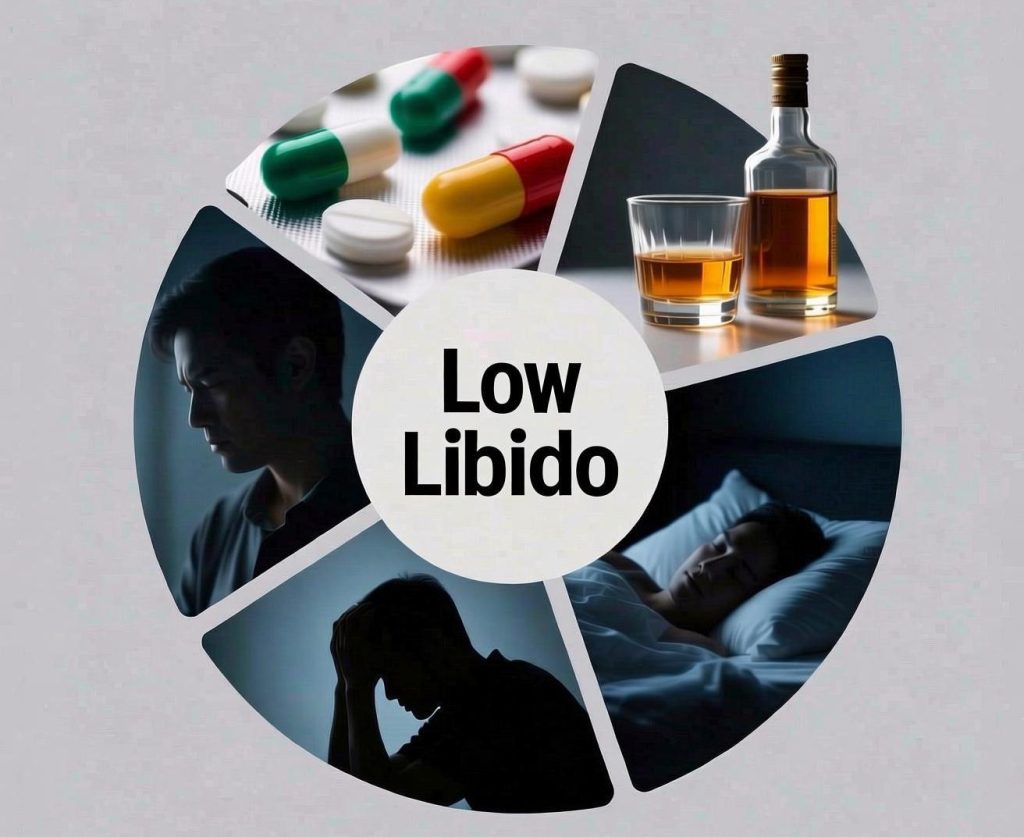
- Medications: Some medications, including those used to treat acne or ADHD, can have side effects that impact sexual function.
- Pelvic Trauma: Injuries to the pelvic area can potentially damage blood vessels or nerves involved in erections.
Psychological & Emotional Factors: A Significant Role
More often than physical causes, erectile concerns in teenagers are rooted in psychological and emotional factors. Adolescence is a time of heightened self-consciousness, anxiety, and social pressure. These factors can significantly impact sexual performance and desire.
Common Psychological Contributors:
- Performance Anxiety: Fear of not performing well sexually can create a vicious cycle of anxiety and erectile dysfunction.
- Body Image Issues: Negative feelings about one’s body can lead to self-consciousness and difficulty achieving arousal.
- Relationship Problems: Stress or conflict in a relationship can negatively impact sexual desire and function.
- Depression & Anxiety: Mental health conditions like depression and anxiety often manifest physically, including sexual dysfunction.
- Stress: General stress from school, family, or social life can impair sexual function.
- Trauma: Past experiences of trauma can significantly affect sexual health and intimacy.
- Pornography Use: Excessive pornography use can desensitize a teen and create unrealistic expectations about sexual performance, contributing to erectile difficulties.
The Impact of Lifestyle Choices
Lifestyle choices can also influence erectile health. Unhealthy habits can negatively impact blood flow, hormone balance, and overall well-being.
Lifestyle Factors to Consider:
- Diet: A diet high in processed foods, sugar, and unhealthy fats can negatively impact blood vessel health and hormone balance.
- Exercise: Lack of physical activity can contribute to obesity and reduced blood flow.
- Sleep: Insufficient sleep can disrupt hormone production and overall health.
- Substance Use: Alcohol and drug use can impair sexual function and have long-term health consequences.
- Smoking: Smoking damages blood vessels, restricting blood flow to the penis.
Communication and Support: Talking About It
Open communication is key to addressing erectile concerns. Many teens feel embarrassed or ashamed to discuss these issues, which prevents them from seeking help. Creating a safe and supportive environment for these conversations is crucial.
Tips for Teens:
- Remember you’re not alone: Sexual concerns are common during adolescence.
- Don’t self-diagnose: Seek professional advice if you’re worried.
- Be honest with your partner (if applicable): Open communication can reduce anxiety.
- Focus on your overall health: Healthy lifestyle choices can improve sexual function.
Tips for Parents:
- Create a safe space: Let your teen know that they can talk to you without judgment.
- Educate yourself: Understand the normal range of adolescent sexual development.
- Listen actively: Pay attention to what your teen is saying and validate their feelings.
- Encourage professional help: Don’t hesitate to recommend a doctor or therapist.
Seeking Professional Help: When and Where to Go
If erectile concerns persist or cause significant distress, seeking professional help is essential. Several healthcare professionals can provide guidance and support.
Who to Consult:
- Primary Care Physician (PCP): A good starting point for a general assessment and referral to specialists if needed.
- Urologist: A specialist in the male reproductive system.
- Endocrinologist: A specialist in hormonal disorders.
- Psychologist or Therapist: Can address psychological and emotional factors contributing to erectile concerns.
- Sex Therapist: Specializes in sexual health and relationship issues.
Prevention and Promoting Sexual Wellbeing
Preventing erectile concerns often involves adopting healthy lifestyle habits and cultivating a positive relationship with one’s body and sexuality. Promoting sexual wellbeing is about more than just avoiding problems—it’s about fostering a sense of comfort, confidence, and pleasure.
Strategies for Prevention:
- Maintain a healthy lifestyle: Proper diet, regular exercise, sufficient sleep.
- Manage stress: Practice relaxation techniques (meditation, yoga, deep breathing).
- Avoid substance abuse: Limit or avoid alcohol and drug use.
- Develop healthy relationships: Foster open communication and mutual respect.
- Limit pornography consumption: Be mindful of the potential negative impact of pornography.
- Educate yourself about sexual health: Learn about anatomy, function, and common concerns.
Conclusion
Erectile concerns in teenagers are often a complex issue with both physical and psychological components. Understanding what’s considered “normal” within the range of adolescent sexual development is the first step.
While occasional variations are common, persistent or distressing problems warrant professional attention. Open communication, a healthy lifestyle, and seeking appropriate support can help teens navigate this aspect of their development with confidence and well-being.