For centuries, maca root (Lepidium meyenii) has been a cornerstone of Andean traditional medicine. Beyond its reputation as a stamina booster for laborers and warriors, it’s increasingly gaining recognition for its intriguing effects on sexual health and overall wellbeing.
While often presented as a libido enhancer, maca’s potential goes far deeper, encompassing aspects of sexual control, arousal, desire, and even performance.
This article will delve into the science, user experiences, ingredients, benefits, and potential risks associated with maca, looking beyond the simple narrative of “increased libido.” We’ll explore how it might influence a wider spectrum of sexual health concerns.
Understanding Maca: A Botanical Profile
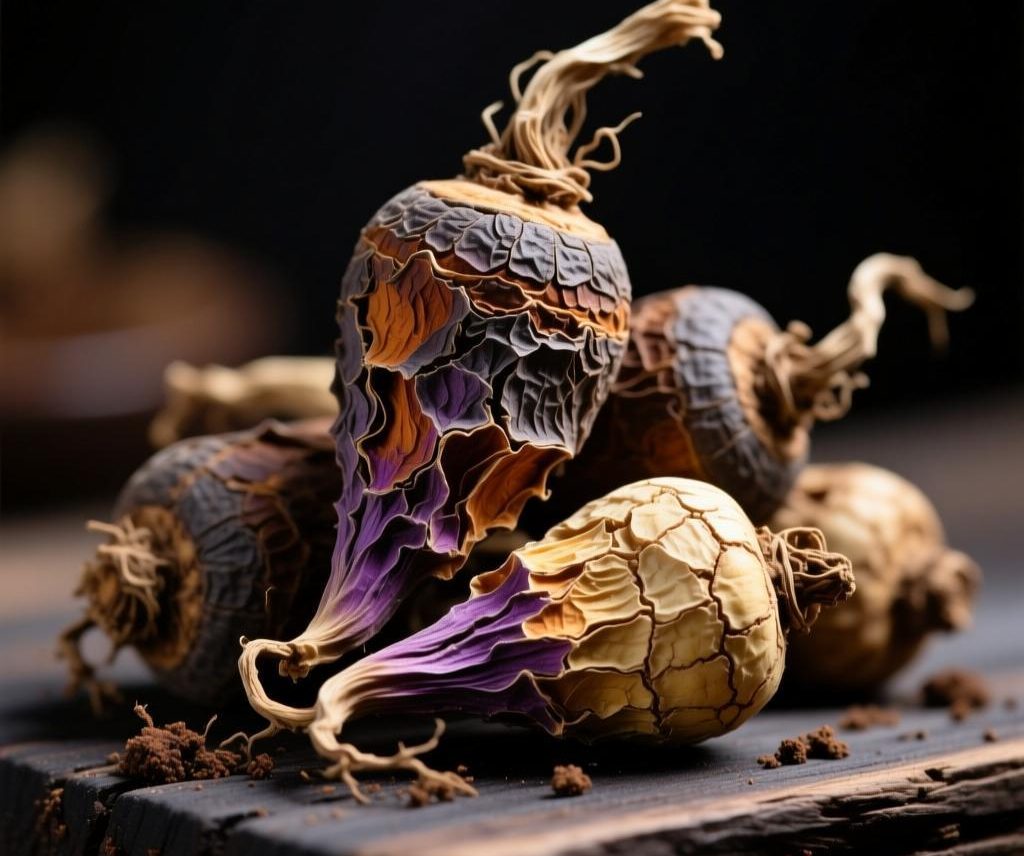
Maca is a cruciferous vegetable, closely related to broccoli, cauliflower, and kale, native to the high Andes of Peru. It thrives in harsh, high-altitude conditions.
The edible part of the plant is the root, which comes in several forms: fresh, dried, and powdered. It’s processed into various products including capsules, powders, and extracts.
The different colors of maca root – yellow, red, and black – are thought to possess slightly different properties, though conclusive scientific evidence differentiating their effects is still evolving.
The Chemistry Behind the Claims
Maca’s unique chemical composition is believed to be responsible for its diverse effects. Key components include:
- Glucosinolates: These compounds are broken down into isothiocyanates, known for their antioxidant and anti-inflammatory properties. They may also influence hormone metabolism, though the effect is complex and not directly hormonal itself.
- Macamides and Macaenes: These are unique fatty acids found predominantly in maca. They’re implicated in its adaptogenic properties and potentially contribute to improved mood and energy.
- Amino Acids: Maca contains all essential amino acids, contributing to overall health and potentially supporting hormone synthesis.
- Vitamins and Minerals: Maca is a good source of Vitamin C, iron, potassium, and copper, essential for various bodily functions.
Maca and Sexual Function: More Than Just Libido
While maca is widely marketed as a libido booster, the reality is more nuanced. Studies and user experiences suggest a wider range of potential benefits for sexual health. It’s crucial to differentiate between desire (libido), arousal, and sexual performance – maca can potentially influence all three, but through different mechanisms.
Libido Enhancement: The Popular Perception
The most common claim about maca is its ability to increase libido. Several small studies, often with subjective measures, have supported this claim, particularly in postmenopausal women experiencing decreased sexual desire.
The mechanism isn’t believed to be a direct hormonal effect (more on this later), but likely involves improved mood, reduced stress, and potentially increased energy levels which can contribute to a higher libido.
Arousal and Sensitivity
Beyond simply boosting desire, maca may improve arousal and sensitivity. Some research suggests it can increase blood flow to the pelvic region, which is crucial for both male and female sexual response.
For women, this could translate to increased vaginal lubrication and heightened sensitivity. For men, it could improve erectile function by promoting vasodilation (widening of blood vessels).
Sexual Performance and Endurance
Maca’s reputation as a stamina booster likely stems from its adaptogenic properties. Adaptogens help the body cope with stress and fatigue, potentially leading to improved endurance during sexual activity. Some users report increased stamina and reduced fatigue during intercourse.
The Science: What Research Tells Us
The scientific understanding of maca’s effects on sexual health is still evolving. Many studies have been small, lacked robust controls, or relied on subjective measures. However, emerging research paints a promising picture.
Hormonal Effects: Separating Fact from Fiction
A common misconception is that maca directly mimics or replaces hormones like estrogen or testosterone. Maca does not contain estrogen or testosterone itself. Instead, it appears to influence hormonal balance indirectly.
It’s classified as an adaptogen, which means it helps the body regulate hormones naturally. It can stimulate the pituitary gland, which then impacts the production of various hormones. However, this effect is subtle and varies depending on the individual’s existing hormonal status.
Specific Research Highlights:
- Postmenopausal Women: Several studies have shown maca to improve sexual desire and reduce psychological distress in postmenopausal women.
- Men with Erectile Dysfunction: Some research suggests maca may improve erectile function and sperm quality, possibly through its antioxidant and vasodilation effects.
- Female Sexual Dysfunction: Limited but encouraging evidence suggests maca can improve various aspects of female sexual dysfunction, including arousal and lubrication.
- Mood and Stress Reduction: Maca’s adaptogenic properties have been linked to reduced anxiety and improved mood, which can indirectly enhance sexual desire and performance.
Real User Reviews & Experiences
Beyond scientific studies, countless personal anecdotes offer valuable insights into maca’s potential benefits. Here’s a compilation of user-reported experiences (note: these are anecdotal and should not be taken as medical guarantees):
Female Experiences
- “I’m in my late 40s, and my libido has been non-existent for years. After a few weeks of taking maca, I noticed a significant improvement in my desire and overall energy.”
- “Maca has helped with my vaginal dryness. It’s made intimacy much more comfortable.”
- “I felt more emotionally stable and less stressed after starting maca. This definitely impacted my desire for intimacy with my partner.”
Male Experiences
- “I’ve been taking maca for a month, and my energy levels are much higher. I also feel like my libido has increased.”
- “I’ve noticed a slight improvement in my erections. Not a dramatic difference, but enough to be noticeable.”
- “Maca really helped me with my mood and stress levels, which has improved my overall relationship with my partner.”
Dosage, Forms, and Potential Risks
Maca is generally considered safe, but like any supplement, it’s essential to understand proper dosage and potential side effects.
Dosage Guidelines
Typical dosages range from 1 to 3 grams per day, divided into multiple doses. The optimal dosage can vary depending on individual needs and sensitivity. It’s always best to start with a low dose and gradually increase it as needed.
Forms of Maca
- Powder: Can be added to smoothies, juices, or other foods.
- Capsules: Convenient for precise dosing.
- Extracts: Concentrated form that may provide more potent effects.
Potential Risks & Side Effects
While generally well-tolerated, maca can cause some side effects in certain individuals:
- Digestive Upset: Some people may experience gas, bloating, or stomach cramps, especially when starting with a high dose.
- Thyroid Effects: Maca may affect thyroid function, particularly in individuals with pre-existing thyroid conditions. Consult a doctor before using maca if you have thyroid issues.
- Hormonal Interactions: While maca doesn’t contain hormones, its indirect effects on hormone balance may interact with hormone-regulating medications. Consult a doctor before using maca if you are taking any hormonal medications.
- Potential for Hyperstimulation: Some individuals may experience mild anxiety or insomnia due to maca’s stimulating effects.
Maca for Different Populations: Considerations
The effects of maca can vary depending on individual factors such as age, sex, and overall health.
Maca and Athletes
Maca’s adaptogenic properties can be beneficial for athletes, potentially improving endurance, reducing fatigue, and enhancing recovery from exercise. However, more research is needed to confirm these effects.
Maca During Pregnancy and Breastfeeding
There is limited data on the safety of maca during pregnancy and breastfeeding. It is generally recommended to avoid maca during these periods unless specifically advised by a healthcare professional.
Maca and Individuals with Pre-existing Conditions
Individuals with thyroid conditions, hormonal imbalances, or autoimmune diseases should consult a doctor before taking maca.
Recovery and Outlook: The Future of Maca Research
The growing interest in maca’s potential benefits has spurred further research. Future studies are needed to:
- Investigate the specific mechanisms by which maca influences sexual function.
- Compare the effects of different maca colors (yellow, red, black).
- Conduct larger, well-controlled clinical trials to confirm the efficacy of maca for various conditions.
- Explore the synergistic effects of maca with other herbs or supplements.
Maca holds significant promise as a natural approach to enhancing sexual health and wellbeing. While it’s not a magic bullet, its adaptogenic properties, combined with its potential to improve mood, energy, and blood flow, make it a valuable tool for those seeking to optimize their sexual function and overall quality of life. The ongoing research continues to unveil the depth of its potential.