Medical Perspective: Understanding Erectile Dysfunction and Its Treatments

When discussing male enhancement, the first and most critical perspective is the medical one. Erectile dysfunction (ED) is a common condition affecting millions of men globally, and its treatment has been the focus of extensive research.
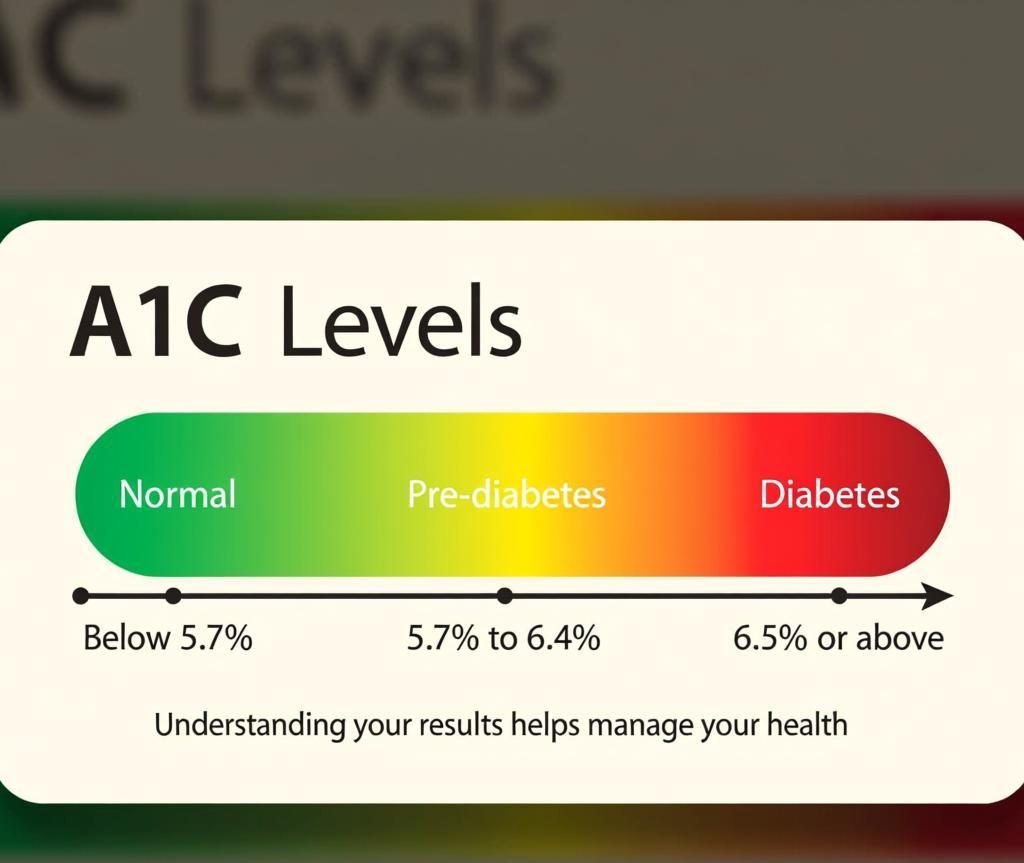
From a medical standpoint, ED is often a symptom of underlying health issues, such as cardiovascular disease, diabetes, hormonal imbalances, or psychological disorders. The medical community has developed a range of interventions, from pharmacological treatments to surgical options, each with its own efficacy and limitations.
Pharmacological treatments, such as phosphodiesterase type 5 (PDE5) inhibitors, are the most widely prescribed for ED. Medications like sildenafil (Viagra), tadalafil (Cialis), and vardenafil (Levitra) work by increasing blood flow to the penis, enabling an erection.
These drugs are generally effective for men with mild to moderate ED, but their success depends on factors like the underlying cause of the condition, the patient’s overall health, and adherence to the prescribed regimen.
However, they are not a cure-all and may have side effects such as headaches, flushing, and gastrointestinal discomfort. Additionally, PDE5 inhibitors are not effective for men with certain medical conditions, such as severe heart disease, and should be used under strict medical supervision.
For more severe cases of ED, surgical interventions may be necessary. Penile implants, for example, are a long-term solution for men who do not respond to oral medications. These implants, which can be either semi-rigid or inflatable, are inserted into the corpora cavernosa and allow the user to achieve an erection through mechanical stimulation.
While implants are highly effective, they are invasive procedures with risks such as infection, mechanical failure, and the need for future maintenance. Another surgical option is penile vascular surgery, which involves correcting blood flow issues, but this is typically reserved for cases where ED is caused by specific vascular abnormalities and is not a first-line treatment.
Additionally, hormone replacement therapy (HRT) may be recommended for men with low testosterone levels, as testosterone plays a key role in libido and sexual function. However, HRT is not a standalone solution for ED and is often used in conjunction with other treatments.
It is also important to note that while HRT can improve sexual function in some men, it may have side effects such as acne, fluid retention, and mood changes, which must be carefully managed by a healthcare provider.
From a medical perspective, the focus is on addressing the root causes of ED rather than merely treating the symptoms. This includes lifestyle modifications such as quitting smoking, losing weight, and managing stress, which can significantly improve sexual health.
In some cases, underlying conditions like hypertension or diabetes must be controlled to prevent further complications. Ultimately, the medical approach to male enhancement emphasizes a holistic, evidence-based strategy that prioritizes the patient’s overall health and well-being.
Natural Supplements and Herbal Remedies: Promise and Peril
While medical interventions are often the go-to for addressing male enhancement issues, many men turn to natural supplements and herbal remedies in the hope of achieving similar results without the side effects of pharmaceuticals.
These alternatives are often marketed as “natural” and “safe,” but their efficacy and safety can vary widely. Understanding which natural supplements are backed by scientific evidence and which are more of a placebo or even potentially harmful is crucial for making informed decisions.
One of the most commonly cited natural supplements for male enhancement is L-arginine, an amino acid that plays a role in nitric oxide production. Nitric oxide is a key molecule in the process of achieving an erection, as it helps relax the smooth muscles in the penile arteries, allowing for increased blood flow.
While some studies suggest that L-arginine may improve erectile function in men with mild ED, the evidence is not conclusive. Additionally, the body may become accustomed to the effects of L-arginine over time, reducing its long-term efficacy.
Another popular herbal remedy is ginseng, which has been used for centuries in traditional medicine to enhance vitality and sexual performance. Some research indicates that ginseng may improve erectile function by increasing blood flow and reducing oxidative stress.
However, the results of these studies are often inconsistent, and the quality of ginseng products can vary significantly depending on the source and preparation method. Moreover, ginseng may interact with certain medications, including blood thinners and antidepressants, making it important to consult a healthcare provider before use.
Ashwagandha, an adaptogenic herb used in Ayurvedic medicine, is another natural supplement that has gained attention for its potential to improve sexual health. Some studies suggest that ashwagandha may reduce stress and anxiety, which are known to contribute to ED.
However, there is limited research on its direct effects on erectile function. Additionally, the herb may have side effects such as gastrointestinal discomfort and drowsiness, which should be considered.
Other herbal remedies, such as yohimbine and ginkgo biloba, have also been explored for their potential to enhance sexual function. Yohimbine, derived from the bark of the African yohimbe tree, has been shown in some studies to improve erectile function by increasing the release of norepinephrine, a neurotransmitter involved in arousal.
However, yohimbine is associated with side effects such as increased heart rate, anxiety, and insomnia, and its use is not recommended for men with certain medical conditions. Ginkgo biloba, on the other hand, is often taken for its purported ability to improve blood flow, but there is little evidence to support its effectiveness for ED.
It is important to note that while natural supplements and herbal remedies may offer some benefits, they are not a substitute for medical treatment. Many of these products lack rigorous scientific validation, and their safety and efficacy can vary widely.
Furthermore, the combination of natural supplements with pharmaceutical treatments can lead to unintended interactions, which may compromise the effectiveness of both. Therefore, men considering natural supplements for male enhancement should approach them with caution and always consult a healthcare provider to ensure they are not compromising their health.
Psychological and Emotional Factors: The Mind-Body Connection
Male enhancement is not solely a physical issue; psychological and emotional factors play a significant role in sexual health and performance. Stress, anxiety, depression, and relationship dynamics can all impact a man’s ability to achieve and maintain an erection.
From a psychological perspective, addressing these factors is as important as any physical treatment, and a holistic approach that includes mental health support can yield better outcomes.
Stress is one of the most common contributors to ED. When a man is under chronic stress, his body releases cortisol, a hormone that can interfere with the production of testosterone and reduce sexual desire.
Additionally, stress can lead to performance anxiety, which creates a cycle of fear and failure, further exacerbating the problem. Managing stress through techniques such as mindfulness, meditation, and regular exercise can help alleviate these symptoms and improve sexual function.
Anxiety, particularly performance anxiety, is another psychological factor that can significantly impact sexual health. Many men worry about their ability to satisfy their partner, leading to a self-fulfilling prophecy where the fear of failure actually causes erectile dysfunction.
Cognitive-behavioral therapy (CBT) is a highly effective treatment for performance anxiety, as it helps men reframe negative thoughts and develop healthier coping mechanisms. CBT can be used in conjunction with other treatments, such as medication or lifestyle changes, to provide a comprehensive approach to male enhancement.
Depression is also closely linked to sexual dysfunction. Men with depression often experience a lack of interest in sex, which can be both a symptom and a consequence of the condition.
Antidepressants, while effective for treating depression, can sometimes cause sexual side effects such as decreased libido and difficulty achieving an erection.
In these cases, adjusting the medication or combining it with therapy can help mitigate these side effects. It is essential for men to discuss any changes in sexual function with their healthcare provider, as depression and ED can be interrelated.
Relationship dynamics and communication are also critical components of sexual health. Poor communication between partners, unresolved conflicts, or a lack of intimacy can lead to sexual dissatisfaction and contribute to ED.
Open and honest communication about sexual needs, expectations, and concerns can help couples navigate these challenges together. In some cases, couples therapy or sex therapy may be beneficial, as these interventions can address underlying issues such as jealousy, insecurity, or lack of emotional connection.
From a psychological perspective, the key to effective male enhancement lies in addressing the mind-body connection. While physical treatments such as medication or supplements can provide relief, they may not resolve the underlying emotional or psychological factors contributing to ED.
A multidisciplinary approach that includes mental health support, lifestyle modifications, and open communication can lead to more sustainable improvements in sexual health.
Technological Innovations: From Vacuum Pumps to Penile Implants
Advancements in technology have introduced new options for men seeking to improve their sexual health. From vacuum erection devices to penile implants, these innovations offer alternative solutions for men who may not respond to traditional treatments. While these technologies can be effective, they also come with their own set of considerations and limitations.
Vacuum erection devices (VEDs) are a non-invasive option for men with ED. These devices work by creating a vacuum around the penis, which draws blood into the corpora cavernosa, resulting in an erection. A constriction ring is then placed at the base of the penis to maintain the erection.
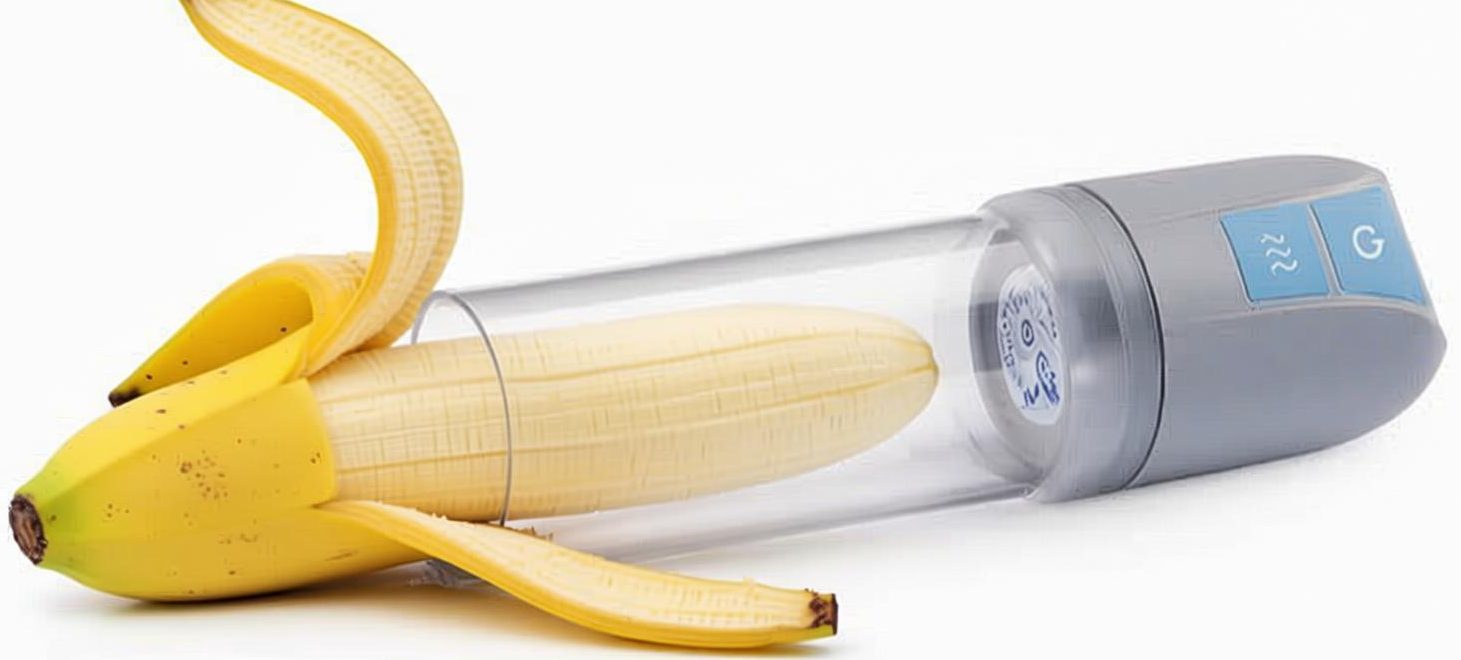
VEDs are often recommended for men who are not candidates for pharmaceutical treatments or surgical interventions, such as those with certain cardiovascular conditions. However, the effectiveness of VEDs can vary, and some men may find the process uncomfortable or time-consuming. Additionally, there is a risk of overuse, which can lead to penile atrophy or reduced sensitivity over time.
Penile implants are a more permanent solution for men with severe ED who have not responded to other treatments. These implants, which can be either semi-rigid or inflatable, are surgically inserted into the corpora cavernosa and allow the user to achieve an erection through mechanical stimulation.
Inflatable implants, in particular, offer a more natural feel and can be adjusted to achieve the desired rigidity. However, penile implants are a major surgical procedure with risks such as infection, mechanical failure, and the need for future maintenance. They are typically reserved for men who have exhausted other treatment options and are in good overall health.
Other technological innovations include shockwave therapy, which uses low-intensity sound waves to stimulate blood flow and potentially improve erectile function. Some studies suggest that shockwave therapy may help regenerate damaged penile tissue, but more research is needed to confirm its long-term efficacy.
Similarly, low-intensity extracorporeal shockwave therapy (Li-ESWT) is being explored as a non-invasive treatment for ED, though its benefits are still under investigation.
While technological innovations offer promising options for male enhancement, they are not without their drawbacks. The cost of these treatments can be high, and access to specialized care may be limited.
Additionally, the success of these technologies depends on the individual’s specific condition and overall health. Men considering these options should consult with a healthcare provider to determine the most appropriate treatment plan.
Myths and Misconceptions: Separating Fact from Fiction
The realm of male enhancement is rife with myths and misconceptions, many of which have been perpetuated by marketing, anecdotal evidence, and a lack of scientific understanding.
From the idea that supplements can replace medical treatment to the belief that certain foods can cure ED, these myths can lead men to make uninformed decisions about their sexual health. It is essential to distinguish between what is supported by scientific evidence and what is merely a popular belief.
One of the most persistent myths is that natural supplements can effectively replace pharmaceutical treatments for ED. While some supplements may offer modest benefits, they are not a substitute for medical interventions.
For example, L-arginine and ginseng may improve blood flow and reduce stress, but they do not address the underlying causes of ED such as cardiovascular disease or hormonal imbalances. Relying solely on supplements can delay necessary medical treatment and potentially worsen the condition.
Another common misconception is that certain foods or beverages can cure or significantly improve ED. While a healthy diet rich in fruits, vegetables, and whole grains can support overall sexual health, there is no evidence that specific foods can cure ED.
Some studies suggest that diets high in antioxidants may improve blood flow, but these effects are generally mild and not a replacement for medical treatment. Similarly, the idea that alcohol or certain foods like oysters can enhance sexual performance is largely anecdotal and lacks scientific backing.
There is also a myth that ED is an inevitable part of aging and cannot be treated. While age can contribute to sexual health issues, ED is not a normal part of aging and can often be managed or reversed with the right interventions.
Many men in their 60s and 70s maintain healthy sexual function through lifestyle changes, medical treatment, and psychological support. This misconception can discourage men from seeking help, leading to unnecessary suffering and a decline in quality of life.
Finally, the belief that male enhancement products are universally safe and effective is another common myth. Many products on the market lack rigorous testing and may contain harmful ingredients or unproven active components.
Men should be cautious of products that make exaggerated claims or promise quick fixes without scientific evidence. Consulting a healthcare provider is crucial to ensure that any products or treatments used are safe and appropriate for the individual’s specific condition.
Conclusion: A Holistic Approach to Male Enhancement
Male enhancement is a multifaceted issue that requires a holistic approach to address effectively. While physical treatments such as medication, supplements, and technological innovations can play a role in improving sexual health, they are not the only solutions.
Psychological and emotional factors, lifestyle choices, and relationship dynamics are equally important in determining a man’s sexual well-being. By combining medical treatment with mental health support, open communication, and healthy habits, men can achieve more sustainable and comprehensive improvements in their sexual health.
It is essential for individuals to seek professional guidance and avoid relying on myths or unproven remedies to address their concerns.