As a physician with over 20 years of experience, I’ve witnessed firsthand the complexities of medication interactions and the importance of patient education. Sildenafil, commonly known by the brand name Viagra, is a remarkably effective treatment for erectile dysfunction (ED) and pulmonary hypertension.
However, its use, particularly in conjunction with alcohol, presents a nuanced and potentially dangerous landscape. This article aims to provide a comprehensive understanding of the risks, potential interactions, and a balanced perspective, drawing on pharmacological principles, clinical experience, and patient safety considerations.
It’s crucial to emphasize that this is for informational purposes only and does not constitute medical advice. Always consult your physician before combining any medications, including sildenafil, with alcohol.
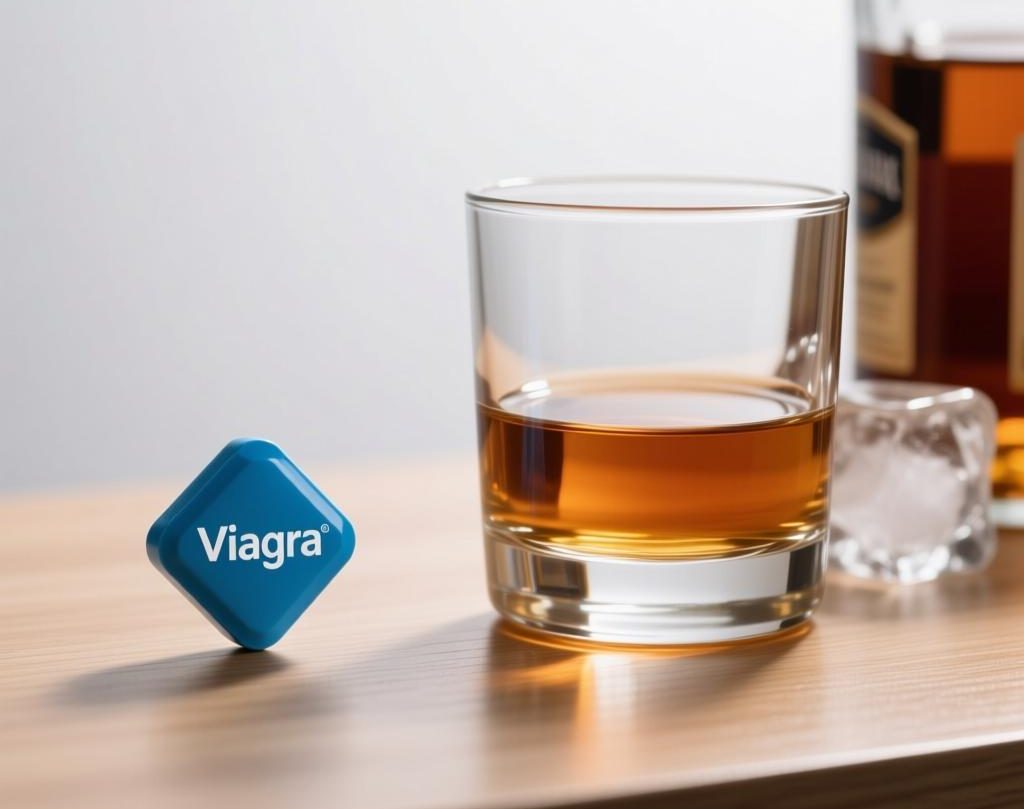
The Pharmacology of Sildenafil: A Brief Overview
Sildenafil belongs to a class of drugs called phosphodiesterase-5 (PDE5) inhibitors. To understand its mechanism, a little background on the vascular system is necessary. Nitric oxide (NO) is a key molecule involved in relaxing smooth muscle, particularly in the corpus cavernosum of the penis and the blood vessels in the lungs.
NO stimulates the production of cyclic guanosine monophosphate (cGMP), which relaxes the smooth muscle, allowing increased blood flow. PDE5 is an enzyme that breaks down cGMP, thus reversing the effects of NO. Sildenafil’s primary function is to inhibit PDE5, prolonging the action of cGMP and enhancing vasodilation.
In the context of ED, this enhanced vasodilation facilitates increased blood flow to the penis, contributing to an erection. For pulmonary hypertension, it relaxes the blood vessels in the lungs, reducing blood pressure. The impact on blood vessels is the key to understanding the potential dangers when combined with alcohol.
Alcohol’s Effects on the Cardiovascular System
Alcohol, specifically ethanol, exerts significant effects on the cardiovascular system, many of which are complex and can vary based on individual factors like genetics, body weight, and pre-existing conditions.
Initially, alcohol can cause vasodilation, leading to a feeling of warmth and relaxation. This is primarily due to its effects on endothelial function and the release of NO. However, as alcohol consumption increases, its effects become more detrimental.
Beyond initial vasodilation, chronic alcohol use can lead to hypertension, arrhythmias, and cardiomyopathy (weakening of the heart muscle).
Furthermore, alcohol affects liver function, which is vital for metabolizing many medications, including sildenafil. This compromised metabolism can lead to increased sildenafil levels in the bloodstream, amplifying its effects.
The Interaction: Sildenafil and Alcohol – A Dangerous Combination?
The primary concern with combining sildenafil and alcohol lies in their shared effects on vasodilation and their impact on cardiovascular health. While both agents individually cause vasodilation, their combined effect can lead to a synergistic and potentially dangerous reduction in blood pressure. This is not simply an additive effect; it’s a magnified consequence.
Synergistic Vasodilation and Hypotension
Sildenafil’s inhibition of PDE5 leads to increased cGMP and vasodilation. Alcohol, through various mechanisms including its effects on endothelial function and NO release, also induces vasodilation.
When these two processes are combined, the vasodilation is significantly amplified, leading to a substantial drop in blood pressure. This hypotension (low blood pressure) can manifest as dizziness, lightheadedness, fainting (syncope), and, in severe cases, can lead to falls and injuries.
Increased Risk of Priapism
Priapism, a prolonged and painful erection lasting more than four hours, is a rare but serious side effect of sildenafil. While the exact mechanism is not fully understood, it is believed to be related to the increased blood flow and trapping within the corpus cavernosum.
Alcohol consumption can impair the body’s ability to regulate blood flow and can exacerbate the risk of priapism, potentially prolonging the duration and increasing the severity of the condition.
Impact on Liver Metabolism and Sildenafil Concentration
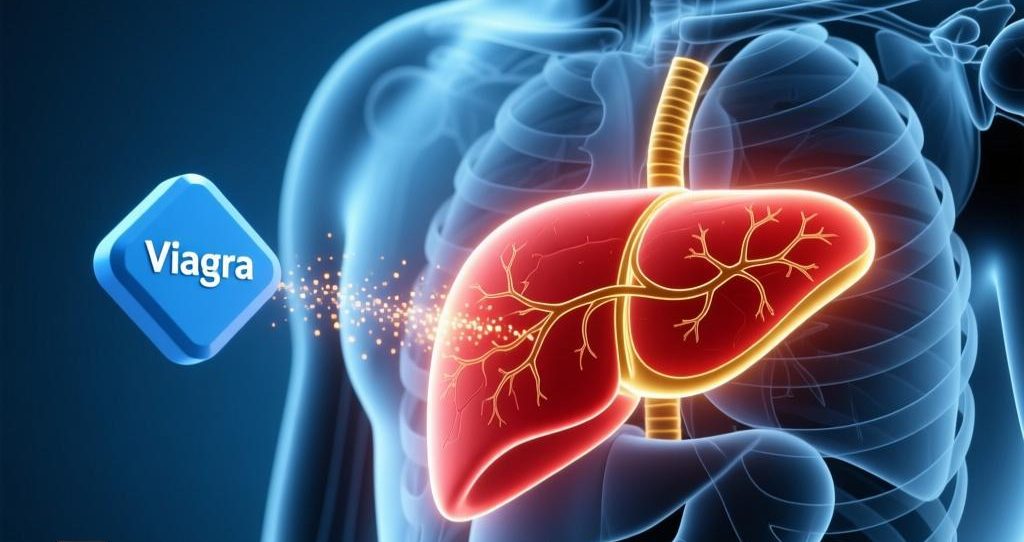
The liver is the primary organ responsible for metabolizing sildenafil. Alcohol consumption, particularly in excess, impairs liver function. This impairment can lead to reduced metabolism of sildenafil, resulting in higher concentrations of the drug in the bloodstream.
These elevated levels increase the intensity and duration of sildenafil’s effects, further compounding the risks associated with hypotension and priapism. Individuals with pre-existing liver disease are particularly vulnerable to this interaction.
Perspective 1: The Physician’s Cautionary Approach
From a physician’s standpoint, advising patients to avoid alcohol while taking sildenafil is the safest and most prudent approach. The potential for serious adverse effects, such as severe hypotension and priapism, outweighs any perceived benefit of combining the two substances.
I routinely counsel patients with ED or pulmonary hypertension to abstain from alcohol entirely while on sildenafil. The risk-benefit ratio is simply too unfavorable. This isn’t meant to be restrictive; it’s a proactive measure to ensure patient safety.
Furthermore, it’s important to screen patients for underlying cardiovascular conditions before prescribing sildenafil. Individuals with pre-existing hypotension, heart disease, or liver problems are at significantly higher risk of adverse events and should be cautioned even more strongly about alcohol consumption.
Perspective 2: The Patient’s Dilemma – Social Enjoyment vs. Health
Many patients find the restriction of alcohol consumption to be frustrating, particularly given that alcohol’s initial effect can sometimes mimic the desired effect of sildenafil (vasodilation).
It’s understandable that patients may feel conflicted, wanting to enjoy social situations that often involve alcohol. The key is to facilitate an open and honest conversation with the patient.
We need to clearly explain the risks, tailoring the explanation to their understanding and lifestyle. Simple warnings often aren’t enough; a detailed explanation of the physiological mechanisms is crucial.
It’s also important to explore the reasons behind the patient’s desire to combine sildenafil and alcohol. Are they experiencing inadequate effects from sildenafil alone?
Is there an underlying anxiety or depression contributing to the desire to self-medicate with alcohol? Addressing these underlying issues can often be more beneficial than simply imposing restrictions.
Perspective 3: The Pharmacist’s Role – Dispensing and Counseling
Pharmacists play a vital role in educating patients about the safe use of sildenafil and the potential dangers of interacting it with alcohol. Beyond simply dispensing the medication, pharmacists should actively counsel patients on the risks and provide written information outlining the potential interactions. They should also inquire about the patient’s alcohol consumption habits and any pre-existing medical conditions.
Pharmacists are often the most accessible healthcare professionals for patients, making them a crucial resource for reinforcing the importance of adhering to medical advice and avoiding potentially harmful combinations. They can also identify patients who may be at higher risk and refer them back to their physician for further evaluation.
Quantifying the Risk: What Amount of Alcohol is “Safe”?
The straightforward answer is: there is no definitively “safe” amount of alcohol to consume while taking sildenafil. Even small amounts of alcohol can potentiate the effects of sildenafil, increasing the risk of adverse events. However, understanding the nuances can help guide patient counseling.
Studies examining the interaction between sildenafil and alcohol have yielded inconsistent results, largely due to varying methodologies and patient populations.
Some studies suggest that low doses of alcohol (e.g., one standard drink – approximately 12 ounces of beer, 5 ounces of wine, or 1.5 ounces of distilled spirits) may not significantly alter sildenafil’s effects in healthy individuals. However, this is not a recommendation; it’s simply an observation. The risks still exist, and individual responses can vary widely.
Patients with pre-existing cardiovascular disease, liver disease, or hypotension should be strongly advised to abstain from alcohol entirely, regardless of the amount.
Alternatives and Management Strategies
For patients who find it difficult to completely abstain from alcohol, exploring alternative treatment options for ED or pulmonary hypertension might be considered.
These could include other medications with different mechanisms of action or non-pharmacological interventions such as lifestyle modifications (diet, exercise, stress management).
If a patient does choose to consume a small amount of alcohol while taking sildenafil, they should:
- Consume only a small amount (no more than one standard drink).
- Avoid alcohol on days when they are planning to engage in strenuous physical activity.
- Monitor their blood pressure and heart rate closely.
- Be aware of the signs and symptoms of hypotension (dizziness, lightheadedness, fainting) and seek immediate medical attention if they occur.
Conclusion: Prioritizing Patient Safety
The combination of sildenafil and alcohol poses a significant risk of adverse cardiovascular events. While some individuals might be tempted to experiment with small amounts of alcohol while taking sildenafil, the potential consequences are simply not worth the risk.
A proactive and patient-centered approach, emphasizing education, open communication, and adherence to medical advice, is paramount. The physician, pharmacist, and patient must work together to ensure the safe and effective use of sildenafil, prioritizing patient well-being above social convenience.
Disclaimer: This information is for educational purposes only and should not be considered medical advice. Always consult with your physician before taking any medication, including sildenafil, and discuss any concerns about potential interactions with alcohol or other substances.