As a man who’s navigated the complexities of age and its impact on physical and emotional well-being, I’ve become intimately familiar with the nuances of male sexual wellness. This isn’t about chasing unattainable ideals; it’s about reclaiming a sense of control, confidence, and joy in a fundamental aspect of life.
This article isn’t medical advice; it’s a compilation of strategies, insights, and perspectives gleaned from years of research, conversations with healthcare professionals, and personal experience. I’ll be drawing on medical understandings, psychological considerations, lifestyle adjustments, and alternative therapies to paint a holistic picture.
We’ll explore common challenges, the science behind them, and a spectrum of solutions, from straightforward lifestyle changes to advanced medical interventions. Let’s move beyond shame and into a proactive approach to male sexual health.

Understanding the Landscape: Common Challenges & Their Roots
The reality is, sexual wellness challenges are incredibly common among men, and often worsen with age, but aren’t exclusive to it. We’re not talking about infrequent occurrences; we’re discussing issues that impact quality of life, relationships, and self-esteem for a significant portion of the male population.
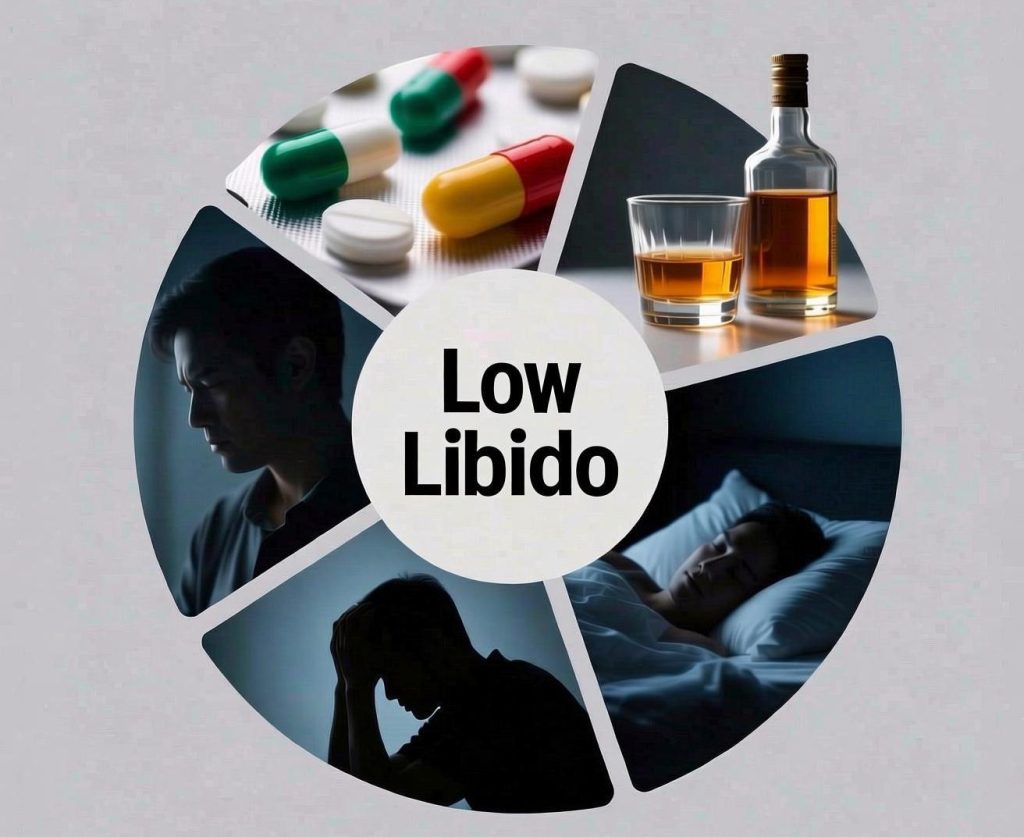
These problems can be broadly categorized as erectile dysfunction (ED), premature ejaculation (PE), delayed ejaculation (DE), low libido, and Peyronie’s disease. However, it’s crucial to recognize that these symptoms are rarely isolated events. They are frequently indicators of underlying issues.
The Physiological Perspective: ED, for example, is often a canary in the coal mine for cardiovascular disease. Poor blood flow, a common culprit in ED, can also manifest as heart problems. Diabetes, hypertension, high cholesterol – these are all major contributors. Hormonal changes, particularly the decline in testosterone, are another crucial factor. Testosterone isn’t just about muscle mass and beard growth; it’s vital for libido, erectile function, and overall energy levels. Prostate issues (benign prostatic hyperplasia – BPH – and prostatitis) can also cause sexual dysfunction. Neurological conditions can impact nerve function necessary for arousal and orgasm. Surgical procedures, particularly those involving the prostate or pelvic area, can also have lasting consequences.
The Psychological Perspective: Beyond the purely physical, psychological factors play a massive role. Stress, anxiety, depression, relationship problems, past trauma, and even low self-esteem can significantly impact sexual function and desire. Performance anxiety, the fear of failure, can create a vicious cycle, exacerbating the very problem it tries to avoid. Body image issues and insecurities also contribute. Feeling inadequate or disconnected from one’s partner creates an emotional barrier that inhibits sexual expression. The constant barrage of unrealistic portrayals of masculinity in media further complicates the issue, leading to feelings of inadequacy.
The Lifestyle Perspective: Lifestyle choices significantly contribute to sexual wellness. Smoking, excessive alcohol consumption, drug use, a sedentary lifestyle, and a poor diet all negatively impact sexual function. These choices compromise cardiovascular health, hormonal balance, and nerve function – all critical for healthy sexual function.
Lifestyle Modifications for Sustainable Wellness
Before exploring advanced medical options, it’s essential to build a strong foundation through lifestyle changes. These aren’t quick fixes, but they are the bedrock of long-term sexual wellness. Think of it as preventative medicine, and even restorative medicine if issues have already manifested.
Nutrition: Fueling the Engine: A balanced diet rich in fruits, vegetables, lean protein, and healthy fats is paramount. Foods rich in nitrates (beets, spinach) can improve blood flow. Antioxidants (berries, dark chocolate) combat oxidative stress, which damages cells and tissues. Omega-3 fatty acids (fish oil, flaxseed) support hormone production and overall health. Limiting processed foods, sugar, and unhealthy fats is equally important. There’s a direct correlation between diet and testosterone levels; reducing sugar intake significantly improves hormonal balance.
Exercise: Reclaiming Mobility and Confidence: Regular physical activity, combining cardiovascular exercise (running, swimming, cycling) with strength training, is crucial. Cardiovascular exercise improves blood flow, while strength training builds muscle mass and boosts testosterone levels. Pelvic floor exercises (Kegels) strengthen the muscles involved in erectile function and ejaculation control. Even a brisk daily walk can make a noticeable difference.
Stress Management: Calming the Mind, Revitalizing the Body: Chronic stress elevates cortisol levels, which can suppress testosterone and impair sexual function. Finding healthy ways to manage stress is vital. This could involve meditation, yoga, deep breathing exercises, mindfulness practices, spending time in nature, or engaging in hobbies that bring joy. Prioritizing sleep (7-9 hours per night) is also essential, as sleep deprivation exacerbates stress and hormonal imbalances.
Eliminating Harmful Habits: Clearing the Path: Quitting smoking, reducing alcohol consumption, and avoiding drug use are non-negotiable. These substances damage blood vessels, impair hormone production, and disrupt neurological function – all detrimental to sexual wellness.
Exploring Medical and Therapeutic Interventions
When lifestyle modifications aren’t sufficient or are used in conjunction with these changes to achieve optimal results, medical and therapeutic interventions may be considered. However, a thorough consultation with a qualified healthcare professional is essential before pursuing any of these options. Self-treating can be dangerous and can mask underlying medical conditions.
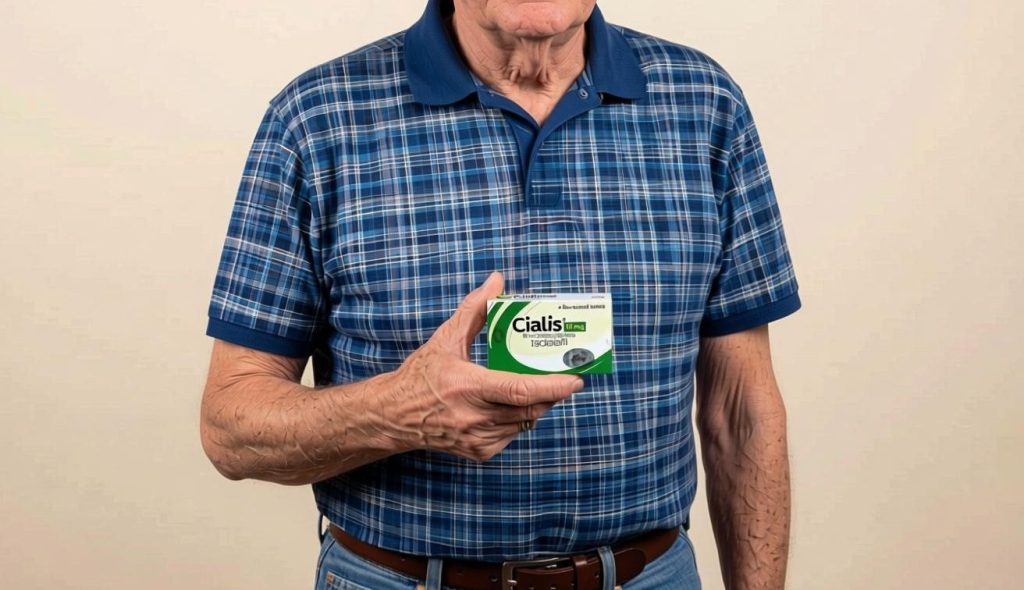
Pharmacological Options: Targeted Solutions: Phosphodiesterase-5 (PDE5) inhibitors (Viagra, Cialis, Levitra) are commonly prescribed for ED. These medications increase blood flow to the penis. However, they are not a cure and have potential side effects and interactions. Topical medications for PE are also available, which can delay ejaculation. Testosterone replacement therapy (TRT) may be considered for men with clinically low testosterone levels, but it’s not without risks and requires careful monitoring. It’s critical to discuss the benefits and risks with a doctor; TRT isn’t a universal solution and can have side effects like prostate enlargement or sleep apnea.
Therapeutic Approaches: Addressing the Root Causes: Psychotherapy, particularly cognitive behavioral therapy (CBT) and sex therapy, can be incredibly effective in addressing psychological factors contributing to sexual dysfunction. CBT helps identify and change negative thought patterns and behaviors. Sex therapy provides a safe space to explore sexual concerns, improve communication with a partner, and develop healthy sexual coping mechanisms. Pelvic floor therapy, guided by a specialized physiotherapist, can address issues with erectile function, premature ejaculation, and pelvic pain.
Emerging Technologies & Alternative Therapies: Potential Frontiers: Low-intensity shockwave therapy (LISWT) is a relatively new treatment for ED that aims to stimulate blood vessel growth in the penis. While promising, more research is needed to confirm its long-term efficacy. Platelet-rich plasma (PRP) therapy is another emerging treatment that involves injecting concentrated platelets into the penis to promote tissue regeneration. The results are mixed, and it’s still considered experimental. Acupuncture, herbal remedies (often used in Traditional Chinese Medicine), and other alternative therapies are sometimes explored, but their effectiveness is often lacking in scientific evidence. It’s important to approach these options with caution and discuss them with a healthcare professional.
Relationships and Communication: The Intimate Connection
Sexual wellness isn’t solely a physical or psychological issue; it’s deeply intertwined with the quality of relationships. Open and honest communication with a partner is paramount. Talking about sexual concerns, desires, and fears can help break down barriers and foster intimacy.
Addressing Relationship Dynamics: Relationship problems often manifest as sexual dysfunction. Lack of emotional intimacy, unresolved conflicts, and communication breakdowns can all negatively impact sexual desire and function. Couples therapy can help address these issues and improve communication. It’s also vital to address power imbalances and past traumas within the relationship that might be impacting sexual expression.
Re-igniting Passion: Rediscovering Intimacy: Routine and boredom can stifle passion. Exploring new activities together, experimenting with different forms of intimacy, and prioritizing quality time can help re-ignite the spark. Remembering the early stages of the relationship and recreating those moments can rekindle feelings of excitement and connection. Non-sexual touch, such as cuddling and massage, can also enhance intimacy and reduce stress.
A Holistic Approach: Integrating Body, Mind, and Spirit
True male sexual wellness isn’t about addressing isolated symptoms; it’s about embracing a holistic approach that integrates body, mind, and spirit. This means recognizing the interconnectedness of physical, psychological, and emotional well-being.
Mindfulness and Self-Awareness: Listening to Your Body: Cultivating mindfulness and self-awareness allows you to tune into your body’s signals and identify early warning signs of problems. Regular self-exams and check-ups with a healthcare professional are crucial for early detection and prevention.
Embracing Vulnerability: Breaking Down the Walls: Vulnerability is a strength, not a weakness. Being open and honest about your sexual concerns, fears, and desires takes courage but can lead to deeper connection and healing.
Redefining Masculinity: Beyond Stereotypes: Challenging traditional notions of masculinity can free men from unrealistic expectations and allow them to embrace their authentic selves. A healthy masculinity embraces vulnerability, emotional intelligence, and self-care.
Final Thoughts: A Journey of Self-Discovery
Reclaiming vitality in male sexual wellness is a journey, not a destination. It requires commitment, self-awareness, and a willingness to explore new approaches.
It’s about embracing a proactive approach to health, prioritizing self-care, and fostering open communication. Don’t be afraid to seek help from healthcare professionals, therapists, or support groups.
There is no shame in addressing these concerns; it’s a sign of strength and a commitment to living a full and vibrant life. The power to reclaim your vitality lies within you.
Remember that small, consistent changes can lead to profound transformations. Start today, and embrace the journey toward a healthier, more fulfilling sexual life.