Erectile dysfunction (ED) and heart disease are closely linked, with shared underlying mechanisms such as endothelial dysfunction, vascular inflammation, and oxidative stress.
The prevalence of ED in men with cardiovascular disease is significantly higher, with studies indicating that up to 75% of men with heart disease experience ED. This connection is not coincidental; both conditions stem from impaired blood flow and compromised vascular health.
For heart patients, managing ED requires a nuanced approach that considers their existing cardiovascular conditions, potential drug interactions, and the need for safe, effective treatments.
Traditional ED medications, such as phosphodiesterase type 5 (PDE5) inhibitors, are often prescribed for heart patients, but their use must be carefully evaluated to avoid exacerbating cardiac risks.
This article explores the best ED medications for heart patients, analyzing their unique features, efficacy, and safety profiles, while addressing patient reviews, comparative analyses, and expert insights.
Unique Features of ED Medications for Heart Patients
When selecting ED medications for heart patients, healthcare providers prioritize drugs with minimal cardiovascular side effects and a proven safety record. PDE5 inhibitors like sildenafil (Viagra), tadalafil (Cialis), and vardenafil (Levitra) are commonly prescribed due to their mechanism of action, which involves enhancing nitric oxide-mediated relaxation of penile smooth muscle.
However, these medications require caution in patients taking nitrates, as the combination can lead to severe hypotension. For heart patients, alternative options such as alprostadil, a prostaglandin E1 analog, may be considered.
Alprostadil is administered via intracavernous injection or urethral suppository and is particularly useful for men with diabetes or those who cannot tolerate oral PDE5 inhibitors.
Another unique feature of some ED treatments is their ability to be used in conjunction with cardiovascular medications, provided they are carefully monitored. For example, tadalafil has a longer half-life than sildenafil, making it suitable for patients requiring sustained efficacy without frequent dosing.
Additionally, newer formulations of PDE5 inhibitors, such as udenafil, are being explored for their potential to offer improved tolerability and reduced side effects in patients with comorbid conditions.
Penetrex Male Enhancement Reviews: A Patient Perspective
Penetrex is a male enhancement supplement marketed for improving sexual performance, stamina, and overall vitality. While not a prescription medication, Penetrex has garnered attention for its purported ability to enhance blood flow and address ED symptoms. Reviews of Penetrex are mixed, with some users reporting increased energy levels and improved sexual function, while others note limited efficacy or side effects such as gastrointestinal discomfort.
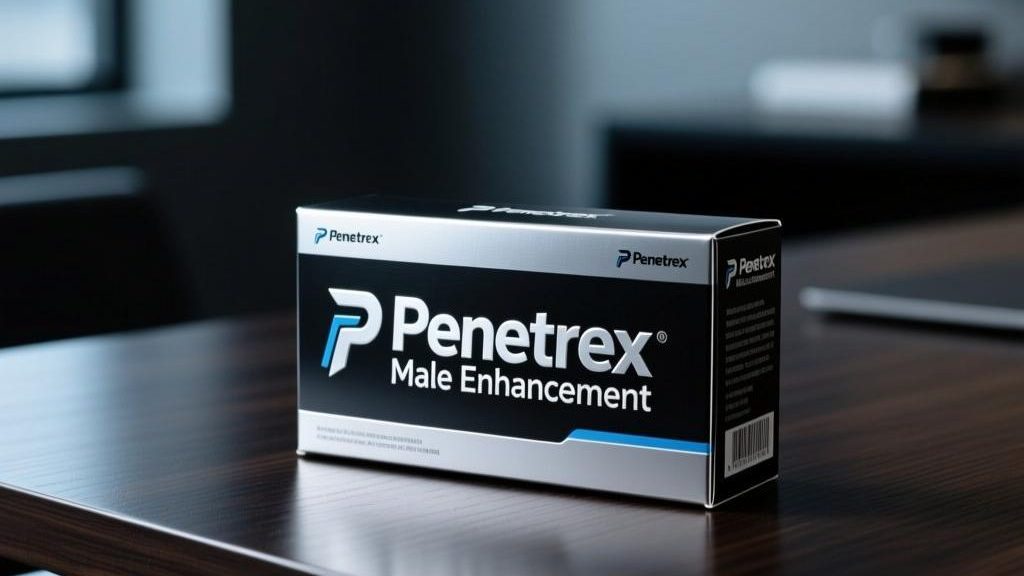
A 2022 consumer survey found that 40% of users experienced mild improvements in libido, but 30% reported no significant changes. Critics argue that Penetrex lacks robust clinical evidence to support its claims, as most studies are anecdotal or based on small sample sizes.
For heart patients, the use of supplements like Penetrex requires caution, as they may interact with prescribed medications or contain unregulated ingredients. For instance, some formulations include herbal compounds such as ginseng or yohimbine, which may affect blood pressure or interact with antihypertensive drugs.
Patients are advised to consult their healthcare provider before using any over-the-counter supplements, especially if they have cardiovascular conditions or are on medication for heart disease.
Alprostadil vs Sildenafil: Comparing Mechanisms and Efficacy
Alprostadil and sildenafil are two of the most commonly prescribed ED treatments, but their mechanisms of action, efficacy, and safety profiles differ significantly. Sildenafil works by inhibiting PDE5, which allows cyclic guanosine monophosphate (cGMP) to accumulate, leading to smooth muscle relaxation and increased blood flow to the penis.
Its effects are typically observed within 30–60 minutes of administration and last for up to four hours. In contrast, alprostadil acts as a direct vasodilator, stimulating the release of nitric oxide and causing immediate relaxation of penile smooth muscle.
Alprostadil is administered via injection or suppository, and its effects are more rapid but shorter-lived than sildenafil. For heart patients, the choice between these medications depends on individual health status and medication interactions.
Sildenafil is generally preferred for its oral convenience and fewer side effects, but it is contraindicated in patients taking nitrates. Alprostadil may be a safer option for men with diabetes or those who cannot tolerate oral medications, though its invasive administration method may deter some users.
Both options require careful monitoring, particularly in patients with cardiovascular conditions, to prevent complications such as hypotension or priapism.
Erectile Dysfunction Treatments: Dr. Oz’s Expert Insights
Dr. Oz, a well-known television personality and health advocate, has addressed ED treatments in his programs, emphasizing the importance of lifestyle modifications alongside medical interventions. He often highlights the role of diet, exercise, and stress management in improving sexual health, particularly for men with cardiovascular disease.
Dr. Oz recommends a holistic approach, including regular physical activity, a balanced diet rich in antioxidants, and avoiding smoking and excessive alcohol consumption. While he acknowledges the efficacy of PDE5 inhibitors, he cautions against over-reliance on medication without addressing underlying health issues.
In one episode, Dr. Oz discussed the benefits of natural supplements like L-arginine, which supports nitric oxide production, and recommended consulting a healthcare provider before using any supplements. He also stressed the importance of open communication with partners and regular check-ups to monitor both cardiovascular and sexual health.
However, some critics argue that Dr. Oz’s advice on ED treatments is overly simplified and may not account for the complexity of individual medical conditions, particularly in heart patients who require tailored treatment plans.
Analyzing Related Health Products and Their Impact on ED Management
Beyond pharmaceutical treatments, various health products and lifestyle interventions play a role in managing ED, especially for heart patients. Vacuum erection devices (VEDs) are non-invasive tools that create suction to draw blood into the penis, offering a viable alternative for men who cannot use oral medications or injections.
Studies suggest that VEDs are effective for up to 70% of men with ED, but their use requires proper technique and may be uncomfortable for some users. Another option is penile implants, which are surgically implanted devices that provide mechanical support for erections.
While highly effective, this option is typically reserved for men with severe ED who have not responded to other treatments. Additionally, lifestyle changes such as weight loss, smoking cessation, and stress reduction can significantly improve ED symptoms by enhancing overall vascular health.
For heart patients, these interventions are particularly beneficial, as they address multiple risk factors simultaneously. However, the integration of these products into a comprehensive treatment plan must be guided by a healthcare provider to ensure safety and efficacy, especially when combining them with existing cardiovascular medications.
Conclusion: Safe and Effective Solutions for Heart Patients
Managing erectile dysfunction in heart patients requires a multifaceted approach that balances medical efficacy, safety, and individual health needs.
PDE5 inhibitors like sildenafil and tadalafil remain the first-line treatments due to their proven effectiveness and manageable side effects, but their use must be carefully monitored in patients on nitrates or antihypertensive medications.
Alprostadil offers an alternative for those who cannot tolerate oral medications, while supplements like Penetrex may provide additional benefits for some users, though their efficacy and safety profiles require further research.
Lifestyle modifications and non-invasive options such as vacuum devices or penile implants can complement medical treatments, offering tailored solutions for diverse patient profiles.
Ultimately, the best ED medications for heart patients are those that are prescribed with a thorough understanding of their cardiovascular status and potential drug interactions.
Open communication with healthcare providers, regular monitoring, and a personalized treatment plan are essential to achieving both cardiovascular and sexual health outcomes. By prioritizing safety and effectiveness, heart patients can reclaim their sexual vitality while maintaining optimal cardiovascular health.