Standing in the drink aisle, you’ve probably done the internal debate: grab the classic cola or the zero-sugar version? If you’re watching your glucose numbers, that choice feels more like a math problem than a refreshment run.
The good news is you don’t need a nutrition degree to figure it out. Let’s break down what each can actually does to your blood sugar, in plain English, so you can sip with confidence instead of guilt.
First, a quick reality check on how your body handles sugar. Every time you eat or drink something sweet, sugar enters your bloodstream, and your body releases insulin to shuttle it into your cells for energy.
When that system works smoothly, your levels rise and fall gently. When it’s overloaded, you get sharp blood sugar spikes followed by crashes that leave you tired, cranky, and craving more sugar. Sodas are one of the biggest offenders, and understanding why starts with what’s inside the can.
What’s Actually Inside a Regular Soda?
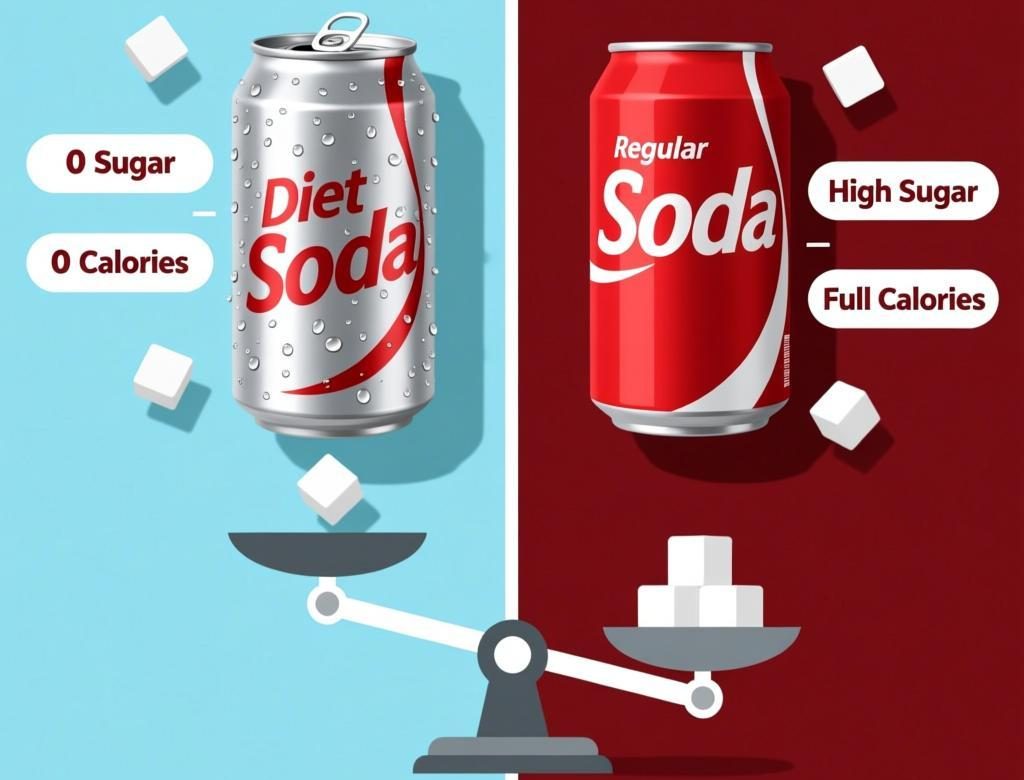
A standard 12-ounce can of regular cola packs about 39 grams of sugar — roughly 9 to 10 teaspoons. That’s more added sugar in one drink than most adults should have in an entire day. There’s no fat, no protein, and no fiber to slow anything down, so all that sugar hits your bloodstream fast.
This is what nutrition folks mean by a “liquid sugar bomb.” Chew a candy bar, and at least your stomach has to work on it a bit. Drink a soda, and the sugar is basically waved straight through the door.
Within 15 to 30 minutes, your glucose can jump noticeably, especially if you drank it on an empty stomach. If you’re curious what those numbers should look like, here’s a friendly guide to normal blood sugar after a meal.
Over time, repeatedly flooding your system with that much sugar wears down your body’s insulin response. That’s one of the reasons heavy soda drinkers have higher odds of developing insulin resistance, weight gain, and eventually type 2 diabetes. If you’ve already been told you’re borderline, learning about prediabetes and what to eat and skip can be a real game-changer.
What’s Going On With Diet Soda?
Diet sodas swap sugar for artificial or plant-based sweeteners — think aspartame, sucralose, stevia, or acesulfame potassium. These sweeteners are either zero-calorie or extremely low-calorie, and here’s the key part: they don’t contain actual sugar. So when you drink one, there’s essentially nothing in it for your body to convert into glucose.
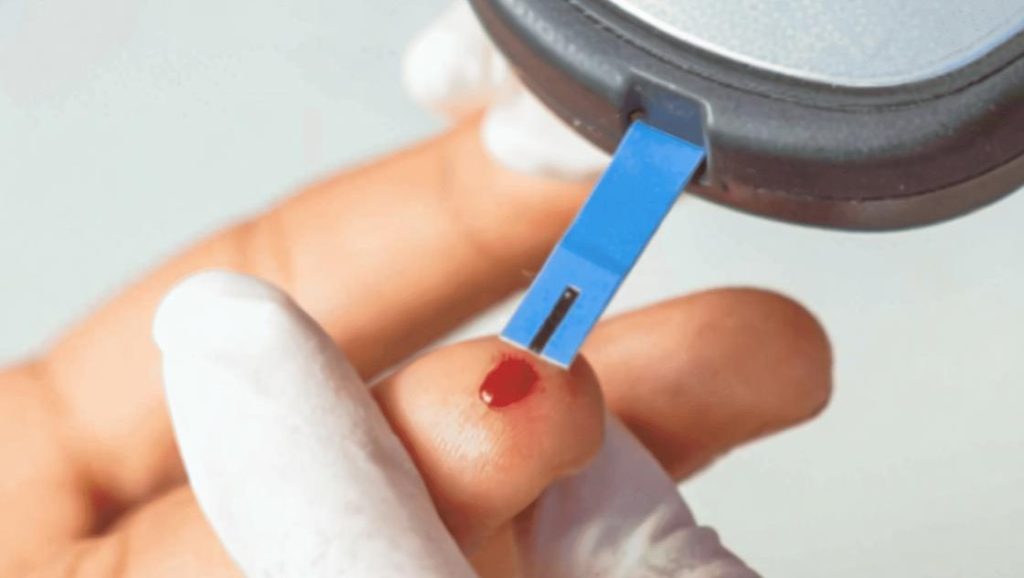
For most people, a diet soda causes little to no direct rise in blood sugar. If you use a glucose monitor, you can test this yourself — drink a can and watch the line. For most folks, it stays pretty flat. If you live with diabetes and how to manage it is a daily question, that makes diet soda a far friendlier option than the regular stuff, at least where immediate glucose is concerned.
Here’s a quick side-by-side to make the comparison easy:
| What Matters | Regular Soda | Diet Soda |
|---|---|---|
| Sugar per 12 oz can | ~39 grams | 0 grams |
| Calories | ~140–150 | 0–5 |
| Immediate blood sugar impact | Sharp spike | Little to none |
| Effect on fullness | None (empty calories) | None |
| Crash afterward | Common | Rare |
| Better short-term pick for glucose? | No | Yes |
Diet Soda Isn’t a Magic Health Drink
Before you crown diet soda the champion, let’s talk about the fine print. While it won’t spike your glucose directly, some research suggests artificial sweeteners might still nudge your metabolism in sneaky ways:
- Cravings can stick around. Your tongue tastes “sweet,” and some researchers believe that may keep sugar cravings alive, making it harder to say no to desserts later.
- Gut bacteria may shift. Early studies suggest certain sweeteners could change your gut microbiome, which plays a role in how your body manages glucose over the long run.
- The “license to eat” trap. Some people subconsciously treat a diet drink as permission to order fries or dessert, canceling out any benefit.
- Mixed long-term evidence. Some observational studies link heavy diet soda intake to weight gain and metabolic issues, though cause and effect aren’t proven.
The honest takeaway? Diet soda is the lesser evil for blood sugar, but “lesser evil” isn’t the same as “health food.” Neither soda belongs in the daily essentials column, and the best drink for glucose control is still plain water. Water has zero sugar, zero sweeteners, zero controversy — boring, maybe, but unbeatable on results.
Which Should You Actually Choose?
Let’s get practical. If you’re staring at the vending machine right now:
Go with diet soda if: you have diabetes or prediabetes, you’re counting carbs carefully, or you just want the fizzy taste without a 39-gram sugar dump. It’s the smarter choice in the moment, full stop. For more everyday strategies, these 13 simple tricks to keep your blood sugar in check are worth a read.
Stick with regular soda only if: you’re treating an actual low blood sugar episode. Ironically, in that emergency, fast-acting sugar is exactly what the body needs. If you’ve ever wondered about feeling shaky and dizzy from low blood sugar, a regular soda or juice can be a quick fix — just know the difference between a rescue and a routine.
Best move of all: treat both as occasional treats. If you’re drinking soda daily — regular or diet — the most powerful upgrade you can make is simply cutting back. Even swapping one can a day for water adds up over a year. And if you’re tempted to lean on pills instead, here’s the truth about whether supplements can help keep blood sugar in check.
Smarter Swaps That Still Taste Great
Breaking a soda habit is easier when you’ve got good replacements lined up. A few ideas that actually work:
- Sparkling water with a splash of fruit juice — you get the fizz with a fraction of the sugar.
- Infused water — toss in lemon, lime, cucumber, or berries and let it sit overnight.
- Iced tea (unsweetened or lightly sweetened) — a refreshing middle ground with antioxidants.
- Whole fruit — yes, fruit has sugar, but the fiber slows it down. These fruits that keep your blood sugar happy prove you don’t have to skip sweetness entirely.
- Cold water with a pinch of salt and lemon — surprisingly satisfying when a soda craving hits.
Cravings usually fade after a couple of weeks, and many people say regular soda starts tasting syrupy-sweet once they’ve reset their palate. If you want a full game plan, this guide on eating well with diabetes and why food choices matter covers the big picture. And if your sweet tooth is your biggest obstacle, check out desserts you can enjoy with diabetes — yes, they exist.
FAQs
Does diet soda raise blood sugar at all?
For most people, no. Diet sodas contain no sugar, so there’s nothing in them to directly raise glucose. A few small studies suggest sweeteners might slightly affect insulin response in some individuals, but the effect is tiny compared to the 39-gram sugar hit from a regular can.
Can diabetics drink diet soda every day?
Most doctors say an occasional diet soda is fine for people with diabetes, and it’s clearly better than regular soda. Daily habit? That’s where it gets murkier — the long-term research is mixed, so moderation is the safest bet. When in doubt, ask your care team.
Is one regular soda a day really that bad?
One can exceeds the recommended daily limit of added sugar for most adults. Doing it every day is strongly linked to weight gain and higher type 2 diabetes risk. Once in a while at a party? Not a crisis. Daily routine? Worth reconsidering.
Will switching to diet soda help me lose weight?
It can help if it genuinely replaces sugary drinks, since you’re cutting about 150 calories a can. But it won’t do much if you compensate with extra snacks. Weight management still comes down to overall habits.
What about those new “zero sugar” sodas — are they different?
Not really. “Zero sugar” is basically marketing for diet soda with a different sweetener blend. The blood sugar story is the same: no sugar means no spike.
What’s the healthiest soda alternative?
Plain water wins, hands down. Sparkling water, unsweetened tea, and infused water are solid runners-up. Save sodas — diet or regular — for occasional treats rather than daily defaults.
Do artificial sweeteners cause diabetes?
There’s no strong evidence that sweeteners directly cause diabetes. Some observational studies show links between heavy diet soda intake and metabolic problems, but those studies can’t prove cause and effect, since diet soda drinkers may already have other risk factors.
The Bottom Line
when it comes to blood sugar, diet soda is the easier choice — no contest on the immediate numbers. But the real win is training your taste buds to need less sweetness altogether. Your glucose levels, your energy, and your future self will thank you.