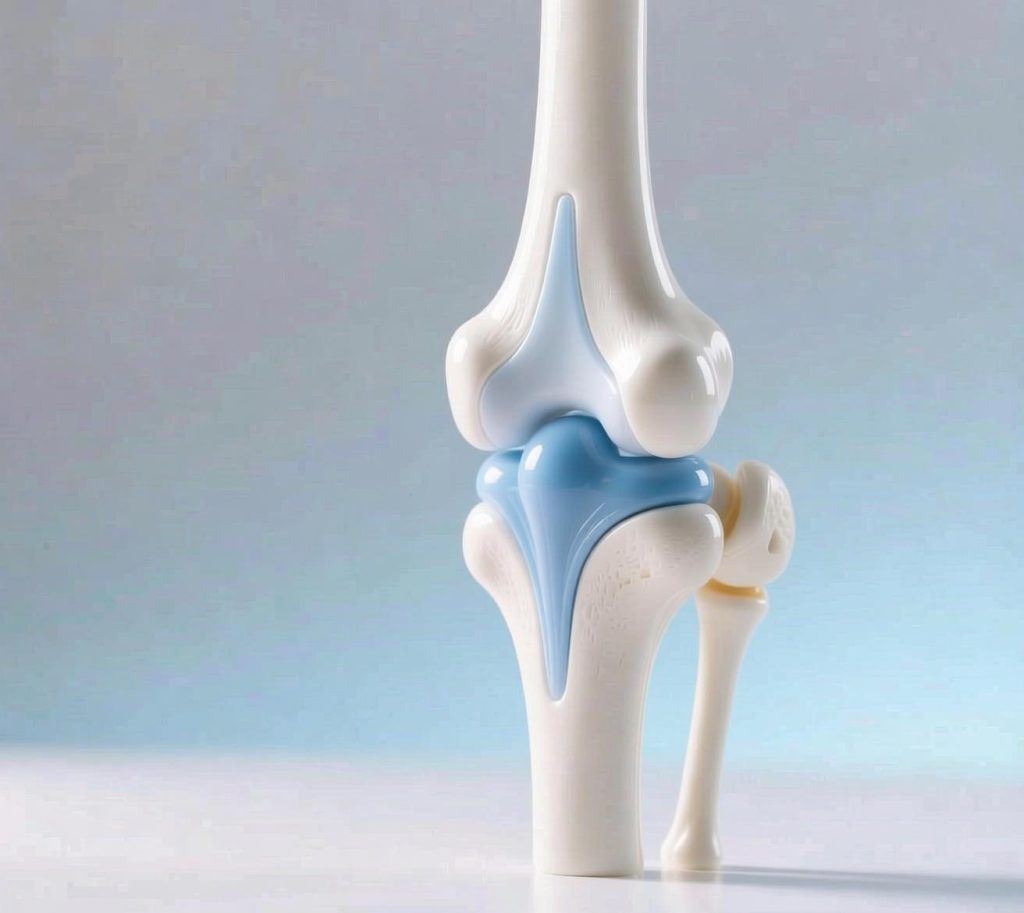
After spending more than two decades taking care of people with diabetes and hormone problems, I can tell you that few complaints are as stubborn — or as ignored — as sore feet and nagging nerve pain.
Folks shuffle into my office, rub their arches, and tell me their feet burn, tingle, throb, or feel like they are stuffed with pins and needles. Many of them have simply accepted the discomfort as their new normal.
Here is the good news I share with every one of them: you have more options than you think, and one of the most underrated is deep tissue therapy. It is not a miracle cure, but for the right person, it can be a genuine game changer. Let us walk through what is really going on with your feet and how this hands-on treatment works.
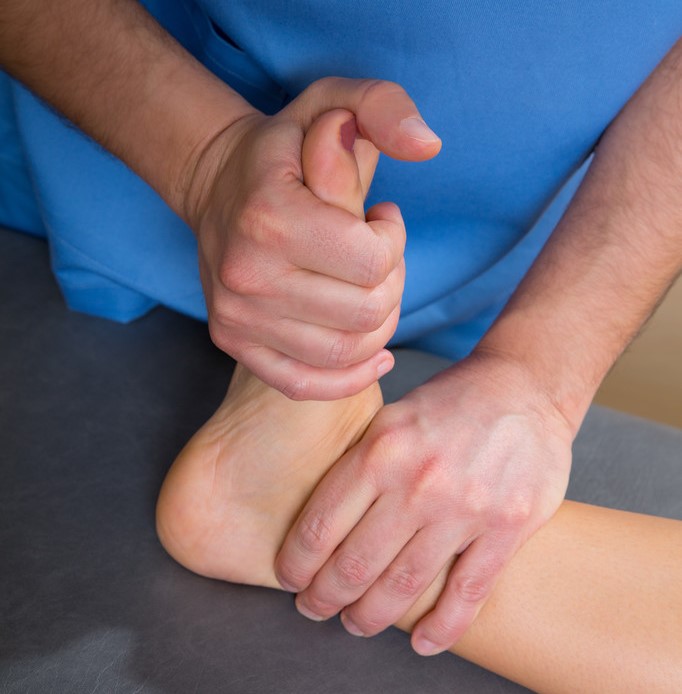
Why Your Feet Ache and Your Nerves Misbehave
Your feet are engineering marvels. Each one packs twenty-six bones, more than thirty joints, and a web of muscles, tendons, and nerves into a space smaller than a shoebox. They carry you through roughly five thousand steps a day, absorbing forces several times your body weight with every stride. So when something goes wrong down there, you feel it everywhere.
Foot pain usually comes from a handful of familiar troublemakers. Long hours on your feet, extra body weight, flat or high arches, tight calves, and worn-out shoes all strain the thick band of tissue along the bottom of the foot called the plantar fascia.
Over time, that strain turns into aches that greet you like an alarm clock with every first step out of bed. If you have ever wondered why joints hurt more as the years pass, the short answer is wear, inflammation, and reduced circulation — the same forces at play in your feet.
Nerve pain is a different animal. Instead of a dull ache, it shows up as burning, stabbing, electric shocks, numbness, or that creepy crawling sensation at night. The most common culprit is peripheral neuropathy — nerve damage that frequently stems from years of high blood sugar quietly irritating and starving the tiny nerves in your feet.
The National Institute of Neurological Disorders and Stroke explains that these damaged nerves send confused signals to your brain, which is why your foot can hurt even when nothing is touching it.
Here is the catch: many of my patients have both problems at once. Tight, overworked muscles press on already irritated nerves, and irritated nerves make muscles clamp down even harder. It becomes a frustrating loop — pain feeding tension, tension feeding pain. To get a broader picture of foot pain and what might be driving yours, the trusted team at MedlinePlus offers a solid, easy-to-read overview.
What Is Deep Tissue Therapy, Anyway?
Deep tissue therapy is a type of massage that focuses on the deeper layers of muscle and connective tissue — what we doctors call fascia.
Unlike a gentle, relaxing Swedish massage that glides along the surface, deep tissue work uses slow, firm, deliberate strokes and sustained pressure to reach tight spots, break up adhesions (those ropey, knotted areas that feel like marbles under your skin), and release chronic muscle tension.
Think of your muscles like a wet towel that has been wrung too tight. Deep tissue therapy is the pair of hands that slowly, patiently unwrings it. A skilled therapist does not simply mash down harder; they work layer by layer, warming the surface first, then sinking deeper as your body relaxes and allows them in. The goal is not brutality — it is access to the deep structures where the real tension lives.
You might be wondering whether there is any real science behind this or just spa brochures. Fair question. The National Center for Complementary and Integrative Health reviews the research on massage therapy and notes evidence that it may help with certain types of pain, especially when combined with standard care. It is not voodoo — it is physiology, applied with trained hands.
How Deep Tissue Work Calms Nerve Pain
Now for the million-dollar question: how can pressing on sore tissue actually calm down angry nerves? Several things happen under those firm strokes.
First, circulation improves. Firm, rhythmic pressure moves blood and lymph fluid through tight tissue, delivering fresh oxygen and nutrients while flushing away inflammatory waste products. Better-fed tissue is healthier tissue, and healthier tissue is less likely to irritate nearby nerves.
Second, muscle tension releases. When the muscles in your calves, arches, and the bottoms of your feet stay chronically tight, they can compress nerves traveling through or near them — a bit like standing on a garden hose.
By loosening that grip, deep tissue work gives nerves room to breathe. Patients with chronic lower back pain often describe this same relief when pressure comes off a pinched nerve.
Third, there is a fascinating pain-modulation effect. Your nervous system can only process so many signals at once. Deep, controlled pressure floods the area with new sensory input that competes with the pain signals — researchers call this the gate control theory of pain. It is one reason a good massage can leave you hurting less, not more.
Finally, deep pressure may influence connective tissue itself. Some evidence suggests bodywork supports the pliability of fascia and may even complement collagen and joint health strategies. More supple tissue means less pulling and grinding around your joints and nerves with every step.
The Diabetes Connection You Cannot Ignore
If you have diabetes or prediabetes, your foot pain and nerve pain are probably related — and deep tissue therapy is only one piece of the puzzle.
According to the Centers for Disease Control and Prevention, diabetes affects how your body turns food into energy, and over time, high blood sugar damages nerves throughout the body, most often in the feet and legs.
The National Institute of Diabetes and Digestive and Kidney Diseases is blunt about it: about half of people with diabetes develop some form of nerve damage. The longer blood sugar stays high, the greater the risk. That means the single most powerful thing you can do for your nerve pain is not in a massage chair — it is keeping your blood sugar in check, day after day.
Think of it this way: deep tissue therapy calms the fire, but blood sugar control stops feeding the flames. If you are newly diagnosed and still wrapping your head around it all, start with a friendly guide on managing diabetes so the condition itself does not keep sabotaging your feet while you treat the symptoms.
One important safety note: if you have diabetic neuropathy, always tell your therapist. Reduced sensation means you may not feel when pressure is too intense, and poor circulation means your skin heals more slowly. A knowledgeable therapist will adjust their technique and never work over ulcers, infections, or open wounds.
What a Session Actually Feels Like
Let me paint you a realistic picture, because I find patients do better when they know what to expect. A typical session lasts sixty to ninety minutes. After a brief conversation about your pain and health history, you lie on a padded table while the therapist warms up your feet and lower legs with lighter strokes.
Then comes the deeper work. The therapist uses thumbs, knuckles, forearms, or elbows to sink into tight bands of muscle. On a scale of one to ten, the pressure should sit around a seven — intense, focused, sometimes eye-watering, but what my patients famously describe as “hurts so good.” Sharp, shooting, or electric pain is a stop sign. Communicate. A good therapist would much rather adjust than injure.
Afterwards, expect to feel looser and lighter, though some soreness — like post-workout soreness — is normal for a day or two. Drink plenty of water, take an easy walk, and skip the marathon shopping trip. The table below sums up the typical experience:
| Stage | What It Feels Like | How Long It Lasts |
|---|---|---|
| Warm-up strokes | Gentle, soothing, like a regular massage | First 5–10 minutes |
| Deep pressure work | Intense pressure, mild discomfort, “hurts so good” | 40–70 minutes |
| Immediately after | Looser, warmer feet; slight drowsiness | A few hours |
| Next 24–48 hours | Mild muscle soreness, like after exercise | 1–2 days |
Who Should Think Twice Before Booking
Deep tissue therapy is safe for most people, but not everyone. Please check with your doctor first if any of the following apply to you:
- You have an active foot ulcer, infection, rash, or open wound
- You have deep vein thrombosis or a suspected blood clot
- You are on blood thinners or bruise very easily
- You have severe osteoporosis or fragile bones
- You have recently had surgery on your foot or ankle
- You have significant numbness and cannot judge pressure well
- You are pregnant (choose a therapist trained in prenatal work)
One more endocrinologist-specific caution: if you take insulin or certain diabetes medications, an intense session can occasionally affect how your body handles glucose afterward. If you have ever struggled with low blood sugar, pack a snack and check your levels before and after your appointment. A little preparation keeps the experience safe.
Simple Habits That Make the Relief Last
Here is a truth I share with all my patients: deep tissue therapy works best as part of a team, not as a solo act. The folks who get the most lasting relief build supportive habits around their sessions. Consider adding these to your routine:
- Stretch your calves daily. Tight calves pull on the plantar fascia and worsen arch pain. Two gentle thirty-second stretches per leg, morning and night.
- Invest in real shoes. Supportive footwear with cushioning and arch support beats any gadget sold on late-night television.
- Move your body every day. Gentle walking keeps blood flowing to your feet and joints, which helps tissue heal between sessions.
- Watch your weight. Every extra pound adds load to every step. If the scale will not budge and you feel stuck losing weight, small changes compound over time.
- Feed your nerves. A diet built for stable glucose protects the nerves you still have. Learning to enjoy eating well with diabetes is one of the kindest things you can do for your feet.
- Try home remedies between sessions. Warm foot soaks, gentle self-massage with a tennis ball, and proven arthritis pain at home techniques can extend your relief.
- Check your feet every night. If you have diabetes or poor circulation, a two-minute visual inspection catches problems before they become serious.
And do not forget the bigger metabolic picture. Keeping your sugar in balance protects your nerves from further damage, which makes every massage dollar work harder for you.
A Realistic Timeline for Feeling Better
I always set expectations honestly, because patients who expect overnight miracles quit too early. Here is what a typical journey looks like when deep tissue therapy is going to work for you:
| Timeframe | What Most People Notice |
|---|---|
| After session one | Looser feet, temporary relief, mild soreness |
| Weeks 2–4 | Longer windows of relief, fewer nighttime tingles |
| Months 2–3 | Noticeably less daily pain, better sleep, easier walking |
| Long term | Maintenance sessions every 3–6 weeks sustain the gains |
Consistency beats intensity. Six moderate, well-spaced sessions almost always outperform one brutal appointment followed by nothing. Your tissues need time to adapt between sessions — that is where the real remodeling happens.
Remember, too, that muscle and joint pain often travels in gangs. Many of my patients whose feet hurt also deal with aching knees, since altered walking patterns shift stress up the chain. If that sounds familiar, these tips to keep knees happy pair nicely with foot-focused bodywork.
Frequently Asked Questions
Does deep tissue therapy hurt a lot?
It should feel intense but tolerable — around a seven out of ten. You will likely hit some tender spots that make you hold your breath, but sharp, shooting, or burning pain is your cue to speak up. A skilled therapist will always adjust. You should never need to grit your teeth and silently endure.
Can deep tissue massage fix my neuropathy?
Honestly? No — and be wary of anyone who promises it will. Nerve damage from diabetes cannot be massaged away. What therapy can do is ease muscle tension, improve circulation, and quiet pain signals around the damaged nerves, which many patients find significantly improves comfort and quality of life.
How often should I go?
For most people with chronic foot and nerve pain, I suggest starting weekly or every other week for four to six sessions, then tapering to maintenance visits every three to six weeks.
Is it covered by insurance?
Usually not when it is labeled massage therapy, though some plans cover medically necessary physical therapy or foot care, especially for people with diabetes. It never hurts to call your insurer and ask.
Can I try deep tissue techniques at home?
Gentle self-massage, a frozen water bottle rolled under your arch, and a tennis ball against tight calves are all safe starting points. Save the truly deep work for a professional, especially if you have numbness or fragile skin that could be injured without you noticing.
When should I skip massage and see a doctor instead?
See a doctor promptly if you have an open sore or ulcer on your foot, sudden severe pain, a foot that is red, hot, and swollen, fever, or new weakness or numbness that came on quickly. People with diabetes should have their feet professionally examined at least once a year — and immediately if anything looks or feels wrong.
The Bottom Line
Sore feet and nagging nerve pain are real, exhausting, and — most importantly — treatable. Deep tissue therapy will not cure nerve damage, but it can loosen tight muscles, boost circulation, calm overactive pain signals, and give you back comfortable steps and better sleep.
Pair it with steady blood sugar control, sensible shoes, daily movement, and regular foot checks, and you have a genuinely powerful plan. Your feet have carried you every single day of your life — it is about time somebody took good care of them.