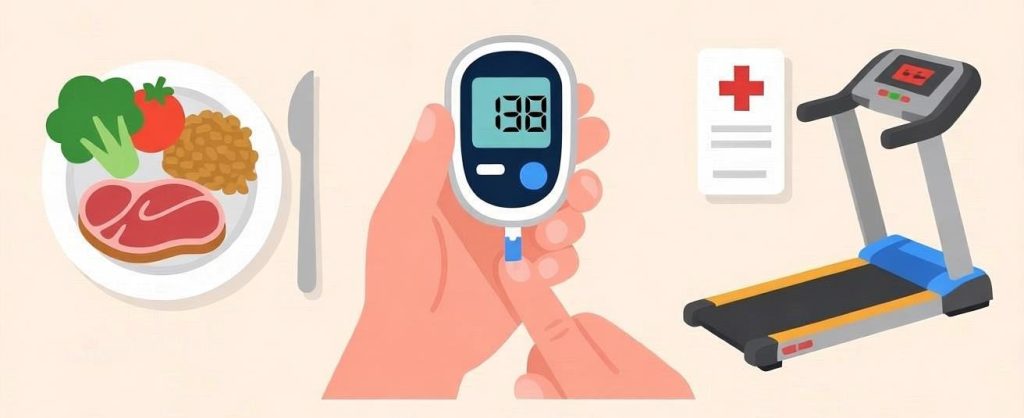
You finish a delicious meal, check your blood sugar an hour later, and the number on the screen makes you do a double take: isn’t that too high? If you’ve ever Googled your glucose reading in a mild panic, you’re in good company — blood sugar after eating is one of the most searched (and most misunderstood) health topics out there.
In this guide, we’ll walk through what a normal post-meal blood sugar level really is, why your numbers can look completely different from someone else’s, and the simple, realistic habits that help keep your glucose steady — without giving up every food you love.
What Happens to Your Blood Sugar After You Eat?
Let’s start with what’s happening behind the scenes. Every time you eat, your body converts carbohydrates — from bread, rice, fruit, milk, and even vegetables — into glucose, the simple sugar that fuels your cells.
That glucose passes from your gut into your bloodstream, and blood sugar naturally rises. Your pancreas then releases insulin, a hormone that works like a key, unlocking cells so glucose can move out of the blood and into your muscles and organs — where it’s burned for energy or stored for later.
In a healthy system, this process is quick and quiet: blood sugar starts climbing about 10 to 15 minutes after your first bite, peaks between 30 and 60 minutes, and drifts back toward your fasting baseline within two to three hours. That rise and fall isn’t a malfunction — it’s the system working exactly as designed.
The trouble only begins when the peaks climb too high, arrive too fast, or take far too long to come back down — over time, repeated big spikes can wear on your blood vessels and make your cells less responsive to insulin.
What’s a Normal Blood Sugar Level After Eating?
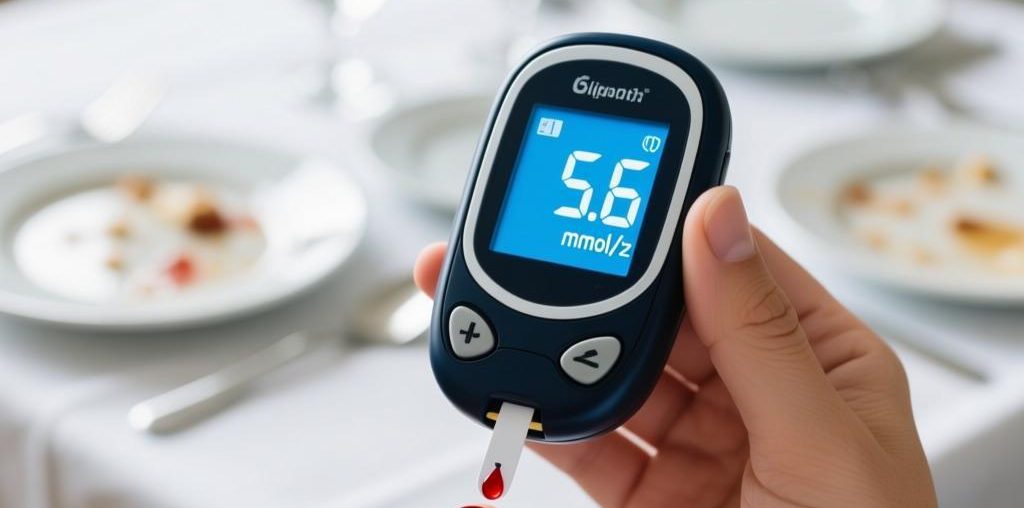
Here’s the number most people are looking for: for most healthy adults without diabetes, blood sugar one to two hours after a meal should stay below 140 mg/dL (7.8 mmol/L). Before eating — after at least eight hours of fasting — a normal reading is under 100 mg/dL (5.6 mmol/L). Here’s a simple chart you can bookmark:
| When You Test | Normal | Prediabetes Range | Diabetes Range |
|---|---|---|---|
| Fasting (8+ hours) | Under 100 mg/dL (5.6 mmol/L) | 100–125 mg/dL (5.6–6.9 mmol/L) | 126 mg/dL (7.0 mmol/L) or higher |
| 1–2 hours after eating | Under 140 mg/dL (7.8 mmol/L) | 140–199 mg/dL (7.8–11.0 mmol/L) | 200 mg/dL (11.1 mmol/L) or higher |
| A1C (3-month average) | Below 5.7% | 5.7%–6.4% | 6.5% or higher |
A few things worth knowing about these numbers. Timing matters: testing thirty minutes after your last bite will almost always show a higher number than testing at the two-hour mark.
And these ranges are general guidelines, not prescriptions — if you’ve been diagnosed with diabetes, your provider may set different targets; the American Diabetes Association, for example, often suggests many adults with diabetes aim for under 180 mg/dL (10.0 mmol/L) one to two hours after meals.
And if you use a continuous glucose monitor (CGM), don’t panic at small swings — short-lived peaks after carb-heavy meals are common even in people without diabetes.
Why Your “Normal” Might Not Look Like Someone Else’s
Here’s something that surprises a lot of people: two friends can eat the exact same slice of pizza, and one might see a glucose jump of 40 points while the other barely budges 15. Neither person is “broken” — post-meal numbers are shaped by a whole team of factors:

- What’s on your plate. A meal heavy in refined carbohydrates — white bread, sugary drinks, pastries — raises blood sugar faster and higher than one built around fiber, protein, and healthy fats.
- Your muscle mass. Muscles are your body’s biggest glucose storage tanks. More muscle generally means more room to park sugar after a meal.
- How much you slept. Even one or two short nights can make cells less sensitive to insulin, so the same breakfast reads higher than usual.
- Stress levels. Stress hormones like cortisol tell your liver to release extra glucose — you can spike without eating a thing.
- Time of day. Many people run slightly higher in the morning thanks to the “dawn phenomenon,” a natural hormone surge that prepares your body to wake up.
- Age, medications, and health conditions. Certain drugs (like steroids), illness, and conditions such as PCOS can all shift your baseline and your post-meal curve.
The takeaway? One unusual reading isn’t a verdict — what matters most is your personal pattern over days and weeks, not a single blip after birthday cake.
Who You Are Changes the Picture
“Normal” isn’t one-size-fits-all, and it helps to see how the same meal can land differently depending on where you’re standing.
Athlete or Very Active
Your muscles are remarkably hungry for glucose, especially after workouts. Exercise makes your cells more insulin-sensitive for 24 to 48 hours, so your post-meal readings may run lower and flatter than average — though intense training can temporarily push glucose up as your liver releases stored sugar.
Older Adult
Insulin sensitivity tends to decline gradually with age, so post-meal readings may creep higher than they did decades ago. That’s common, but not something to ignore — one more reason strength training and protein-rich meals are especially valuable as you get older.
Pregnant
The bar is deliberately tighter. Gestational diabetes is usually screened for between weeks 24 and 28, and glucose targets during pregnancy are stricter because consistently high blood sugar can affect your baby’s growth. Seeing elevated post-meal numbers while pregnant? Don’t self-diagnose — talk to your prenatal team.
Eat Late at Night
Your body handles the same meal differently at 10 p.m. than at noon — insulin sensitivity is naturally lower in the evening, so late-night meals produce higher, longer spikes. If your schedule allows, shift your biggest carbohydrate loads earlier in the day.
How Does Your Body React When Blood Sugar Levels Fluctuate?
Your body usually sends signals when glucose is swinging hard. Big spikes followed by sharp drops — the infamous glucose “crash” — can show up as:
- Feeling sleepy, foggy, or cranky an hour or two after meals
- Intense sugar cravings shortly after finishing a full meal
- Shakiness, sweating, or irritability when you go too long without food
- Persistent thirst or frequent trips to the bathroom (classic signs of consistently high levels)
- Headaches and low energy that magically lift the moment you eat something sweet
Occasional versions happen to absolutely everyone. But if they’re your everyday normal — especially alongside elevated readings on a glucose meter — it’s worth bringing up with a doctor. These symptoms are clues, not diagnoses.
8 Realistic Ways to Keep Your Blood Sugar Steady
Here’s the good news: you don’t need a perfect diet, an expensive supplement stack, or a lifetime without dessert to flatten your post-meal curves. Small, repeatable moves work surprisingly well.
- Eat in the right order. Try vegetables and protein first, carbs last. Research shows this simple switch can meaningfully lower post-meal spikes — same meal, gentler curve.
- Take a 10-minute walk after eating. Moving muscles pull glucose straight out of your blood, so even a casual stroll around the block can trim your peak.
- Pair carbs with protein, fat, or fiber. White rice alone hits fast; rice with chicken and broccoli hits slower. Never send carbs into your stomach without an escort.
- Choose whole carbs over stripped ones. Whole grains, beans, fruit, and potatoes come packaged with fiber that slows sugar absorption.
- Drink water instead of sugary drinks. Liquid sugar is the fastest route to a spike — soda, juice, and sweet coffee drinks hit your bloodstream almost like an injection.
- Build some muscle. Two or three strength sessions a week give glucose more places to go after meals.
- Protect your sleep. Aim for seven to nine hours; better sleep means better insulin sensitivity the next day.
- Don’t skip meals. Going too long without eating often backfires with cravings and bigger swings later.
And when you want a quick cheat sheet for the kitchen, simple swaps go a long way:
| Instead of… | Try… | Why It Works |
|---|---|---|
| White toast or sugary cereal | Oatmeal with nuts and berries | Fiber and fat slow absorption |
| Fruit juice | Whole fruit | Chewing and fiber blunt the spike |
| Soda or sweet iced tea | Sparkling water with lemon | Removes liquid sugar entirely |
| Plain white rice | Quinoa, barley, or rice mixed with lentils | Extra protein and fiber |
| Candy or crackers as a snack | Greek yogurt, cheese, or a handful of nuts | Protein steadies the curve |
None of these require superhuman willpower — pick one or two, make them automatic, then layer in more. Consistency beats perfection every time.
When to Talk to a Doctor
Book an appointment if your readings regularly top 180 mg/dL two hours after meals, sit at 126 mg/dL or higher before eating, or you notice symptoms like unexplained weight loss, extreme thirst, blurred vision, or cuts that heal slowly. The same goes for frequent shakiness, sweating, or confusion from low readings.
A simple set of lab tests — fasting glucose, an A1C, or an oral glucose tolerance test — can tell you and your doctor exactly where you stand. And if you’re already managing diabetes or prediabetes, keep your care team in the loop about your home readings so they can fine-tune your plan.
Is 140 mg/dL After a Meal Normal?
It depends on when you test. Around the one-hour mark, hitting 140 mg/dL (7.8 mmol/L) after a carb-rich meal is common — and generally fine — for people without diabetes.
By two hours, though, you ideally want to be under that line and trending back toward your fasting level. If you’re consistently seeing numbers above 140 mg/dL at the two-hour mark, it’s worth mentioning to your healthcare provider — one reading isn’t a diagnosis, but a repeated pattern is a clue worth sharing.
How Can I Lower My Blood Sugar Quickly After Eating?
The fastest safe tool is movement. A 10- to 15-minute walk right after a meal helps your muscles soak up glucose and can noticeably lower your post-meal peak within the hour. No time for a walk?
Light chores, squats, or stair climbs — any movement counts. What you shouldn’t do is take extra medication on your own to “fix” a high reading; that can swing you dangerously low. If you take insulin or other glucose-lowering medication, follow the correction plan your doctor gave you.
What Foods Keep Blood Sugar Stable?
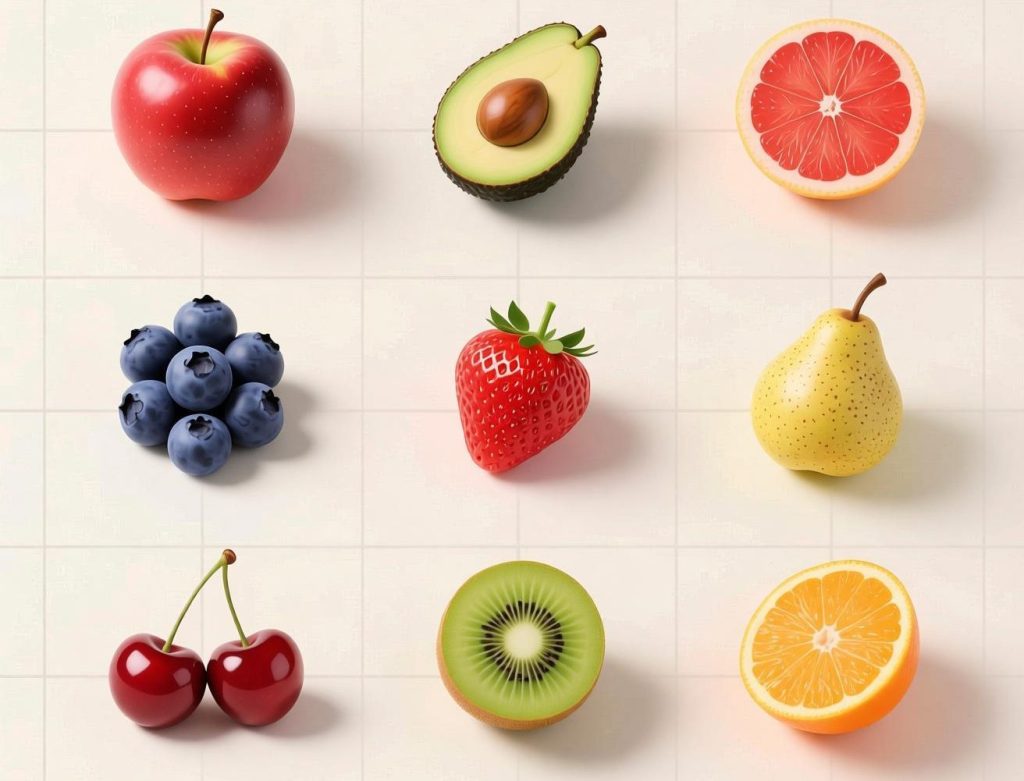
Think of fiber, protein, and healthy fats as your steady-glucose trio: eggs, Greek yogurt, nuts and seeds, beans and lentils, leafy greens and other non-starchy vegetables, whole grains like oats and quinoa, fish and lean meats, and whole fruits — berries are especially gentle on glucose. Here’s the trick, though: it’s not just which foods you choose, but how you combine them.
A banana eaten alone spikes faster than a banana with peanut butter; plain toast hits harder than toast topped with avocado and an egg. Build plates where carbs share the stage with their slower-digesting friends, and your curves will thank you.
The Bottom Line
blood sugar is supposed to rise after a meal — that’s not failure, it’s fuel delivery. What matters is keeping that rise moderate and watching it settle back down within a few hours. Learn your personal patterns, lean on the simple habits above, and loop in your doctor when your numbers or symptoms tell you something feels off. Steady — not perfect — is the goal.