
For years, the focus on weight has been largely about the number on the scale. However, as a nutritionist, I’ve seen firsthand that the true value of weight management lies far deeper than a simple measurement. It’s about the profound and often overlooked impact weight has on the intricate machinery of the cardiovascular system.
We’re not just talking about a cosmetic improvement; we’re talking about a fundamental shift in your body’s ability to function healthily, significantly reducing your risk of heart disease, stroke, and other related complications. This isn’t about achieving an arbitrary “ideal” weight; it’s about optimizing your health profile.
Think of the body as a complex ecosystem. Excess weight, particularly abdominal fat (often called visceral fat), throws that ecosystem out of balance. It’s not just the extra tissue; it’s what that tissue does. Visceral fat is metabolically active, releasing inflammatory cytokines and adipokines that directly and negatively impact the heart.
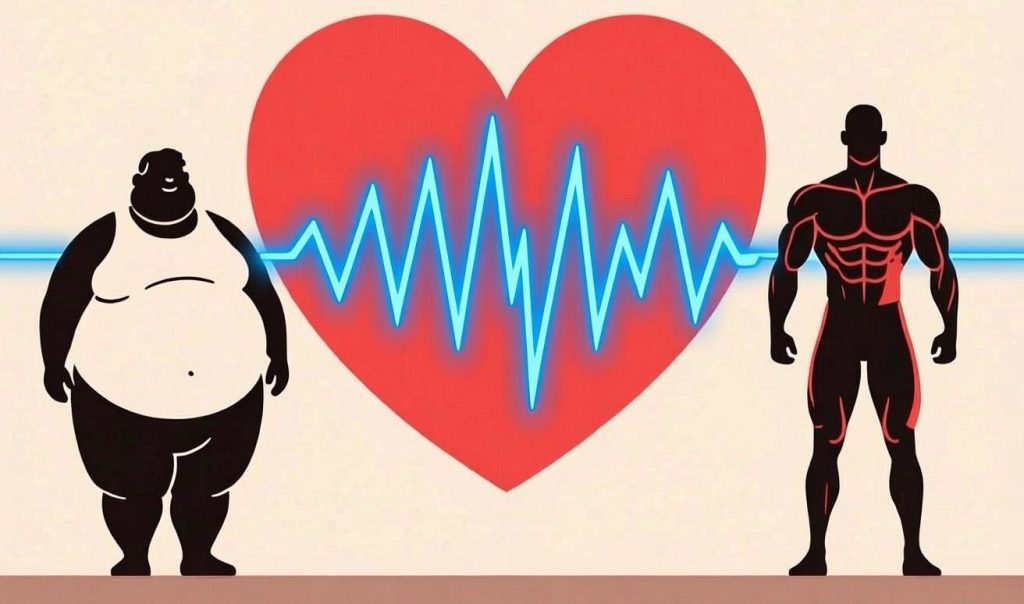
How Excess Weight Damages the Cardiovascular System
Let’s break down the specific ways that excess weight compromises cardiovascular health. We’ll look at the interconnected factors, not just isolated problems.
Hypertension (High Blood Pressure): A Direct Link
The relationship between weight and hypertension is extremely well-established. As weight increases, blood volume also increases. The heart has to work harder to pump this increased volume, leading to elevated blood pressure.
Furthermore, excess weight often leads to insulin resistance, which contributes to sodium retention, further exacerbating hypertension. A reduction in weight, even a modest 5-10%, can significantly lower blood pressure.
Dyslipidemia (Abnormal Blood Lipids): The Fat Factor
Weight gain frequently leads to dyslipidemia, characterized by elevated LDL (“bad”) cholesterol, decreased HDL (“good”) cholesterol, and elevated triglycerides. Visceral fat is a major player here.
It promotes the production of LDL and inhibits the production of HDL. The presence of these unfavorable lipid profiles dramatically accelerates the buildup of plaque in arteries (atherosclerosis), the foundation of most cardiovascular diseases.
Insulin Resistance and Type 2 Diabetes: The Metabolic Cascade
Excess weight, particularly abdominal fat, is a primary driver of insulin resistance. Insulin’s job is to help glucose (sugar) enter cells to be used for energy. When cells become resistant to insulin, glucose builds up in the bloodstream, eventually leading to prediabetes and, if unmanaged, Type 2 Diabetes. Diabetes is a major risk factor for heart disease, significantly increasing the risk of heart attack, stroke, and peripheral artery disease. The physiological mechanisms are complex, involving alterations in insulin signaling pathways and increased oxidative stress.
Inflammation: The Silent Threat
Visceral fat releases pro-inflammatory cytokines, triggering chronic, low-grade inflammation throughout the body. This inflammation damages blood vessel walls, making them more prone to plaque buildup and rupture.
It also contributes to insulin resistance and impairs the body’s ability to regulate blood pressure. Inflammation is increasingly recognized as a central player in the pathogenesis of cardiovascular disease.
Sleep Apnea: A Hidden Risk
Obesity is a major risk factor for obstructive sleep apnea (OSA), a condition where breathing repeatedly stops and starts during sleep. OSA puts significant strain on the cardiovascular system, leading to increased blood pressure, irregular heart rhythms, and increased risk of heart failure.
The link here is complex, involving anatomical factors (fat deposits around the neck obstructing the airway) and metabolic effects (hormonal imbalances due to disrupted sleep).
Metabolic Health vs. Weight Alone
Here’s a critical point often missed. It’s not just about how much you weigh; it’s about your metabolic health. A person can be “overweight” according to BMI (Body Mass Index) and still have remarkably good metabolic health (normal blood pressure, healthy cholesterol, good blood sugar control).
Conversely, a person can be “normal weight” and still have poor metabolic health, putting them at increased cardiovascular risk. This highlights the importance of focusing on improving metabolic markers rather than solely chasing a specific number on the scale.
We are increasingly using metrics beyond BMI, such as waist circumference, waist-to-hip ratio, and metabolic panels (blood tests that assess blood sugar, cholesterol, triglycerides, and kidney function) to assess cardiovascular risk. These provide a more nuanced picture than BMI alone.
The Patient Perspective: Stories From My Practice
I’ve seen countless patients whose cardiovascular health has dramatically improved with weight management, even without significant weight loss. I recall a patient, Mr. Jones, who was diagnosed with hypertension and high cholesterol at age 50. He resisted medication initially, opting to focus on lifestyle changes.
While he didn’t achieve a massive weight loss, he did commit to a healthier diet and regular exercise. Within a year, his blood pressure and cholesterol levels had normalized, allowing him to avoid medication. His improved quality of life was truly remarkable.
Then there’s Ms. Patel, who struggled with weight and Type 2 Diabetes. She initially felt discouraged by the slow pace of progress.
However, focusing on improving her HbA1c (a measure of average blood sugar control) and losing even a small amount of weight led to a significant reduction in her diabetes medication needs and a marked improvement in her overall health. Her story demonstrates the power of incremental changes and focusing on health, not just appearance.
Sustainable Strategies for Weight Management
My approach to advising patients on weight management isn’t about quick fixes or restrictive diets. It’s about establishing sustainable lifestyle changes. Here’s a breakdown of key strategies:
Dietary Modifications: Prioritizing Whole Foods
Focus on a diet rich in whole, unprocessed foods: fruits, vegetables, lean protein, and whole grains. Limit processed foods, sugary drinks, and unhealthy fats. The Mediterranean diet is an excellent model, emphasizing plant-based foods, fish, and healthy fats like olive oil.
Regular Physical Activity: Finding What You Enjoy
Aim for at least 150 minutes of moderate-intensity aerobic exercise or 75 minutes of vigorous-intensity exercise per week. More importantly, find activities you enjoy! Walking, swimming, cycling, dancing – anything that gets your heart rate up is beneficial.
Behavioral Changes: Addressing Underlying Habits
Often, weight gain is linked to emotional eating or other unhealthy habits. Addressing these underlying behavioral patterns is crucial for long-term success. This may involve seeking support from a therapist or counselor.
Sleep Optimization: A Key Overlooked Factor
Prioritize sleep. Poor sleep disrupts hormones that regulate appetite and metabolism, making weight management more difficult. Aim for 7-9 hours of quality sleep per night.
Stress Management: Calming the Mind
Chronic stress can lead to increased cortisol levels, which can promote abdominal fat storage. Practice stress-reducing techniques like meditation, yoga, or deep breathing.
The Role of Medical Interventions: When Necessary
While lifestyle changes are the cornerstone of weight management, medical interventions may be appropriate in some cases. These can include:
- Medications: Certain medications can help with weight loss or manage related conditions like diabetes and hypertension.
- Bariatric Surgery: For individuals with severe obesity, bariatric surgery may be an option, but it is a major decision that requires careful consideration and medical evaluation.
Weight Loss with Heart Failure: A Paradox & Challenges
Cardiomyopathy (Heart Muscle Weakening): Heart failure is often caused by a weakened heart muscle, known as cardiomyopathy. In some cases, rapid or significant weight loss can actually worsen cardiomyopathy. This is because:
- Loss of Cardiac Energy Stores: The heart, like any muscle, needs energy to function. Rapid weight loss can deplete the heart’s energy stores (glycogen and fatty acids), further impairing its ability to contract effectively.
- Starvation Cardiomyopathy: In extreme cases of severe malnutrition or starvation (often seen in eating disorders), the heart muscle can literally shrink and weaken, leading to a condition called starvation cardiomyopathy.
- Electrolyte Imbalances: Restrictive diets or rapid weight loss can lead to electrolyte imbalances (like low potassium or magnesium), which can disrupt the heart’s electrical activity and function.
- Sarcopenia: Heart failure is often accompanied by sarcopenia, which is age-related muscle loss. Weight loss in this context can exacerbate sarcopenia, further weakening the body and making it harder to perform daily activities.
Managing Weight in Heart Failure: A Delicate Balance
- Gradual, Sustainable Changes: The key is a gradual and sustainable approach. Rapid weight loss or restrictive diets are generally not recommended for patients with heart failure.
- Dietary Sodium Restriction: Restricting sodium intake is crucial to manage fluid retention and lower blood pressure.
- Fluid Management: Following a doctor’s instructions for fluid intake is vital.
- Regular, Gentle Exercise: Cardiac rehabilitation programs, under the guidance of a physical therapist, can help patients safely increase their activity levels.
- Monitoring: Careful monitoring by a healthcare professional is essential to ensure that weight changes are appropriate and not detrimental to heart function. Regular weight checks at home are very important, and patients should report significant changes (e.g., a gain of 2-3 pounds in a day or 5 pounds in a week) to their doctor promptly.
- Nutritional Support: If malnutrition is a concern, a registered dietitian can help develop a plan to ensure adequate nutrient intake.
In Summary: The relationship between weight and heart failure is complex and bidirectional. Obesity is a significant risk factor for heart failure, but heart failure itself can also lead to weight changes (either loss or gain) due to various physiological mechanisms.
Careful and individualized management, under the guidance of a healthcare professional, is essential to optimize both weight and cardiovascular health.
Conclusion: Investing in Your Heart’s Future
Weight management isn’t just about aesthetics; it’s about investing in your cardiovascular health and overall well-being. Focus on improving your metabolic health profile, adopt sustainable lifestyle changes, and work with your healthcare provider to develop a personalized plan.
The rewards—a stronger heart, reduced risk of disease, and a longer, healthier life—are well worth the effort. It’s about shifting the focus from the number on the scale to the quality of life it allows you to live.