Erectile dysfunction (ED) – the inability to get or maintain an erection firm enough for satisfactory sexual intercourse – is a surprisingly common condition affecting millions of men worldwide.
It’s not just a physical problem; it can deeply impact self-esteem, relationships, and overall quality of life. For men, it can feel like a personal failure. For partners, it can lead to frustration, emotional distance, and a strain on intimacy.
This article aims to provide a comprehensive overview of ED, from understanding the causes and available treatments to navigating the often-confusing world of health products and therapies. It’s designed to be a resource for both men experiencing ED and their partners, fostering open communication and informed decision-making.
Understanding the Landscape of ED: Causes and Types
ED isn’t a one-size-fits-all problem. It’s crucial to understand that the underlying cause dictates the best course of action. Broadly, ED can be categorized as either vascular (related to blood flow), neurological (related to nerve function), hormonal, or psychological. Often, it’s a combination of these factors.
- Vascular ED: This is frequently linked to conditions like atherosclerosis (hardening of the arteries), high blood pressure, high cholesterol, and diabetes. Poor blood flow to the penis inhibits the ability to achieve and maintain an erection.
- Neurological ED: Nerve damage from conditions like diabetes, multiple sclerosis, stroke, or spinal cord injuries can disrupt the signals between the brain and the penis.
- Hormonal ED: Low testosterone (hypogonadism) can contribute to ED. While not always the primary cause, it can exacerbate the issue.
- Psychological ED: Stress, anxiety, depression, relationship problems, and performance anxiety can all significantly impact erectile function. This is often intertwined with physiological factors – anxiety about performance can create a cycle of dysfunction.
Age is also a factor. While ED can affect men of any age, the prevalence increases with age due to a higher likelihood of developing vascular and neurological conditions.
The Diagnostic Process: Why a Doctor’s Visit is Essential
Self-diagnosing and self-treating ED is highly discouraged. The first step is a thorough medical evaluation. This involves:
- Medical History: Your doctor will ask about your overall health, medications you’re taking, lifestyle habits (smoking, alcohol consumption, diet, exercise), and any existing medical conditions.
- Physical Examination: A physical exam can help identify any physical abnormalities that may be contributing to ED.
- Psychological Assessment: Your doctor may ask questions to assess your mental and emotional state.
- Diagnostic Tests: Depending on the suspected cause, tests might include blood tests (to check hormone levels, cholesterol, and blood sugar), a urinalysis, and possibly an ultrasound of the penis to assess blood flow.
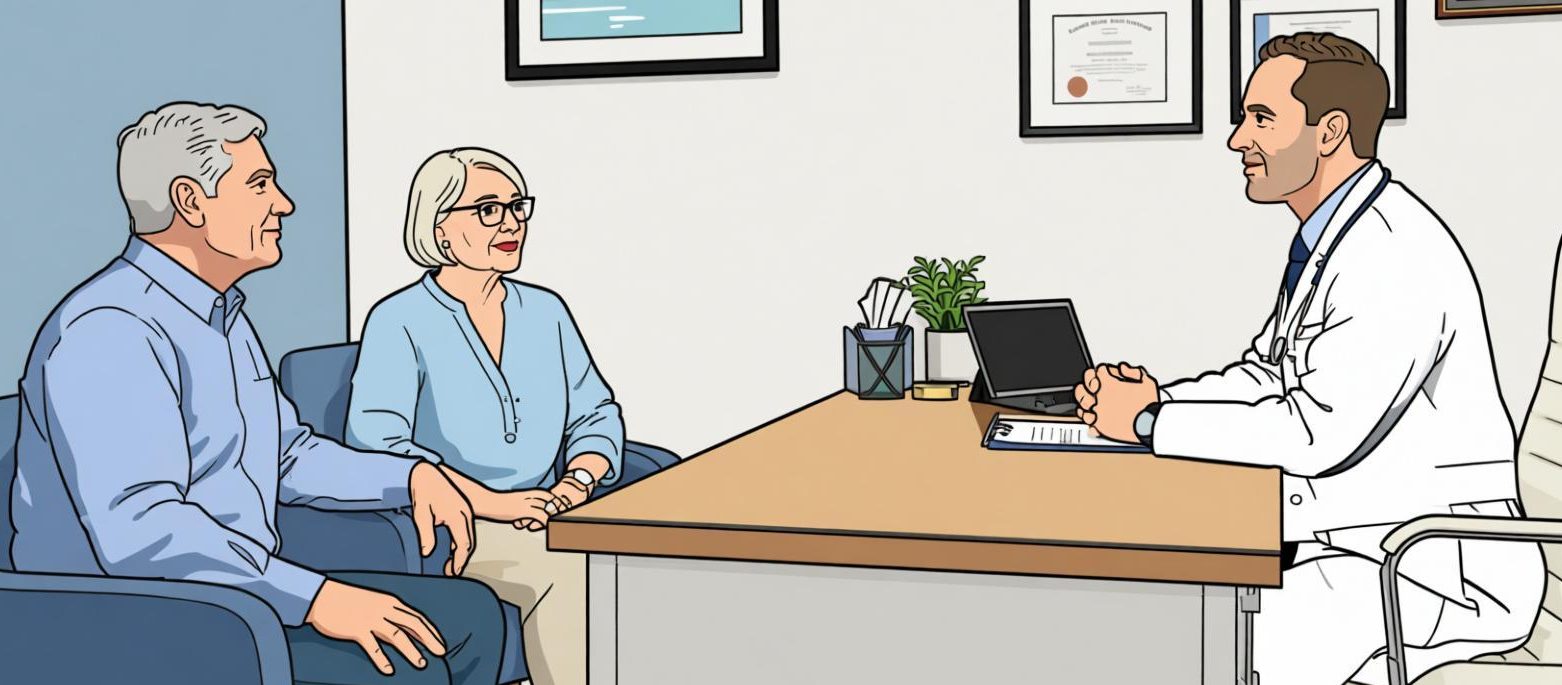
Open communication with your doctor is vital. Don’t be embarrassed to discuss your concerns. They are there to help.
Conventional Treatments: Pharmaceuticals and Beyond
Several effective treatments are available for ED. The best option depends on the underlying cause and individual health profile.
- Phosphodiesterase-5 (PDE5) Inhibitors: These medications (Viagra, Cialis, Levitra, Stendra) are the most commonly prescribed treatments. They work by increasing blood flow to the penis. They are not suitable for everyone and can interact with other medications.
- Vacuum Erection Devices (VEDs): These devices create a vacuum around the penis, drawing blood into it.
- Penile Injections: Medications injected directly into the penis can cause an erection. This is typically reserved for men who haven’t responded to other treatments.
- Urethral Suppositories: Similar to injections, these deliver medication directly into the urethra.
- Testosterone Replacement Therapy (TRT): If low testosterone is identified as a contributing factor, TRT may be considered.
Male Enhancement Oral Gels: Proceed with Extreme Caution
The market is flooded with “male enhancement” oral gels and supplements promising miraculous results. Most of these products are not scientifically proven and can be dangerous.
They often contain undisclosed ingredients with potentially harmful side effects. The FDA has issued numerous warnings about these products. Claims of increased size, improved performance, and instant erections are almost always false.
Here’s why you should be extremely cautious:
- Lack of Regulation: These products are often not subject to the same rigorous testing and regulation as prescription medications.
- Unlisted Ingredients: They may contain substances that are not listed on the label, including potentially harmful pharmaceuticals.
- Drug Interactions: Undisclosed ingredients can interact with other medications you’re taking.
- Side Effects: Reported side effects range from mild (headaches, flushing) to severe (priapism – a prolonged, painful erection; vision changes; heart problems).
- False Advertising: Many claims are misleading and unsupported by scientific evidence.
Instead of resorting to unproven products, consult with your doctor to explore safe and effective treatments.
Ashwagandha Powder Dosage for Erectile Dysfunction: A Natural Approach with Caveats
Ashwagandha (Withania somnifera) is an adaptogenic herb with potential benefits for stress reduction and overall well-being. Some studies suggest it may improve sexual function, including ED, primarily through its ability to lower cortisol levels (the stress hormone) and improve testosterone levels (in some cases, but not all).
Dosage: Typical dosages used in studies range from 300mg to 600mg daily, often in divided doses. However, it’s crucial to consult with a healthcare professional before taking ashwagandha, especially if you have any underlying medical conditions or are taking other medications.
Important Considerations:
- Not a Replacement for Medical Treatment: Ashwagandha should not be used as a substitute for conventional medical treatment for ED.
- Potential Side Effects: While generally considered safe, ashwagandha can cause side effects in some people, including digestive upset and drowsiness.
- Drug Interactions: It can interact with certain medications, including those for thyroid conditions and blood pressure.
- Quality Control: The quality of ashwagandha supplements can vary. Choose a reputable brand that undergoes third-party testing.
Erectile Dysfunction Stimulation Techniques: A Holistic Approach
Addressing ED often requires a holistic approach that combines medical treatment with lifestyle modifications and psychological support. Stimulation techniques and open communication with your partner can play a significant role.
Strategies for Stimulation & Intimacy:
- Focus on Foreplay: Extended foreplay can help increase blood flow to the penis and reduce performance anxiety.
- Explore Different Positions: Experimenting with different sexual positions may make it easier to achieve and maintain an erection.
- Sensate Focus: This technique involves focusing on physical sensations without the pressure of achieving an erection.
- Communication with Your Partner: Open and honest communication about your concerns and desires is crucial. Partners can provide support and understanding. Consider couples counseling to address relationship dynamics that may be contributing to the problem.
- Reduce Stress & Anxiety: Stress and anxiety are major contributors to ED. Practice relaxation techniques like meditation, yoga, or deep breathing.
Best Choice For You: A Personalized Treatment Plan
There’s no one-size-fits-all solution for ED. The “best choice” depends on the underlying cause, severity of the condition, overall health, and personal preferences.
Factors to Consider:
- Cause of ED: Addressing the underlying medical condition (e.g., diabetes, high blood pressure) is paramount.
- Severity of ED: Mild ED may respond to lifestyle modifications and psychological techniques. More severe ED may require medication or other interventions.
- Overall Health: Certain medical conditions may preclude the use of specific treatments.
- Personal Preferences: Some men prefer oral medications, while others prefer non-pharmacological approaches.
- Partner’s Preferences: Discuss treatment options with your partner and consider their preferences and concerns.
Working closely with your doctor to develop a personalized treatment plan is the most effective approach.
Supporting Your Partner: A Guide for Partners
Dealing with a partner’s ED can be emotionally challenging. It’s important to approach the situation with empathy, understanding, and open communication.
Tips for Partners:
- Educate Yourself: Learn about ED and its causes.
- Be Supportive: Let your partner know you’re there for them.
- Communicate Openly: Talk about your concerns and desires.
- Avoid Blame: ED is not your partner’s fault.
- Explore Intimacy Beyond Intercourse: Focus on other forms of intimacy and connection.
- Seek Professional Help: Couples counseling can be beneficial.
Remember, ED is a treatable condition. With proper diagnosis, treatment, and support, men can regain their sexual function and improve their overall quality of life. Open communication and a collaborative approach between the man, his partner, and his healthcare provider are essential for success.