Prevalence of Erectile Dysfunction and Associated Factors
As men age, changes in their physical and hormonal landscapes naturally impact sexual function. While sexuality remains an important aspect of life for many older men, age-related declines in erectile function are common and significantly affect quality of life.
This article will delve into the prevalence of erectile dysfunction (ED) across different age groups, explore the complex interplay of physiological, psychological, and lifestyle factors contributing to this decline, and discuss the evolving perspectives on diagnosis and management.
We will approach this topic from a medical, psychological, societal, and patient-centric viewpoint, acknowledging that the experience of aging and sexuality is highly individual.
Physiological Changes and Their Impact
The physiological basis of erectile function is complex, involving a cascade of neurological, vascular, and hormonal events. Age-related changes disrupt this delicate system, primarily through:
Hormonal Shifts – The Diminishing Role of Testosterone
Testosterone, the primary male sex hormone, plays a crucial role in libido, erectile function, and overall health. With age, testosterone levels gradually decline, a process known as andropause or late-onset hypogonadism (LOH).
While the rate of decline varies significantly between individuals (typically 1-2% per year after age 30), its cumulative effect over decades can be substantial. This decline doesn’t necessarily lead to full-blown hypogonadism (a clinical diagnosis with specific hormone level thresholds), but even subtle reductions can impair libido and contribute to ED.
The decline in testosterone is often accompanied by a decrease in free testosterone – the biologically active form of the hormone.
Vascular Changes – The Stiffening Arteries
Erection relies on adequate blood flow to the penis. Age-related vascular changes, including atherosclerosis (hardening of the arteries), hypertension (high blood pressure), and endothelial dysfunction (impaired blood vessel lining function), significantly reduce this blood flow.
Atherosclerosis narrows arteries, making it difficult for blood to reach the corpora cavernosa (the erectile tissue within the penis). Hypertension chronically elevates blood pressure, putting stress on the vascular system.
Endothelial dysfunction reduces the release of nitric oxide, a key vasodilator crucial for achieving and maintaining an erection. These vascular problems are often silent initially, impacting other organ systems before manifesting as ED.
Neurological Degeneration – Reduced Nerve Sensitivity
The neurological pathways involved in sexual arousal and erection are vulnerable to age-related degeneration. Changes in the central nervous system (brain and spinal cord) can diminish sensitivity to sexual stimuli, reducing the signals that trigger erection.
Peripheral neuropathy, often associated with diabetes or other systemic diseases, can directly damage the nerves responsible for transmitting these signals. The sensitivity of the penis itself can also diminish with age.
Reduced Tissue Elasticity – Less ‘Snap’ to the Erection
The elasticity of penile tissue declines with age, making it harder to achieve and maintain a firm erection. Connective tissue within the penis can stiffen and lose its flexibility.
The tunica albuginea, the fibrous sheath surrounding the corpora cavernosa, also becomes less pliable. This reduces the penis’s ability to expand and retain blood, leading to weaker and shorter erections.
Prevalence Rates Across Age Groups
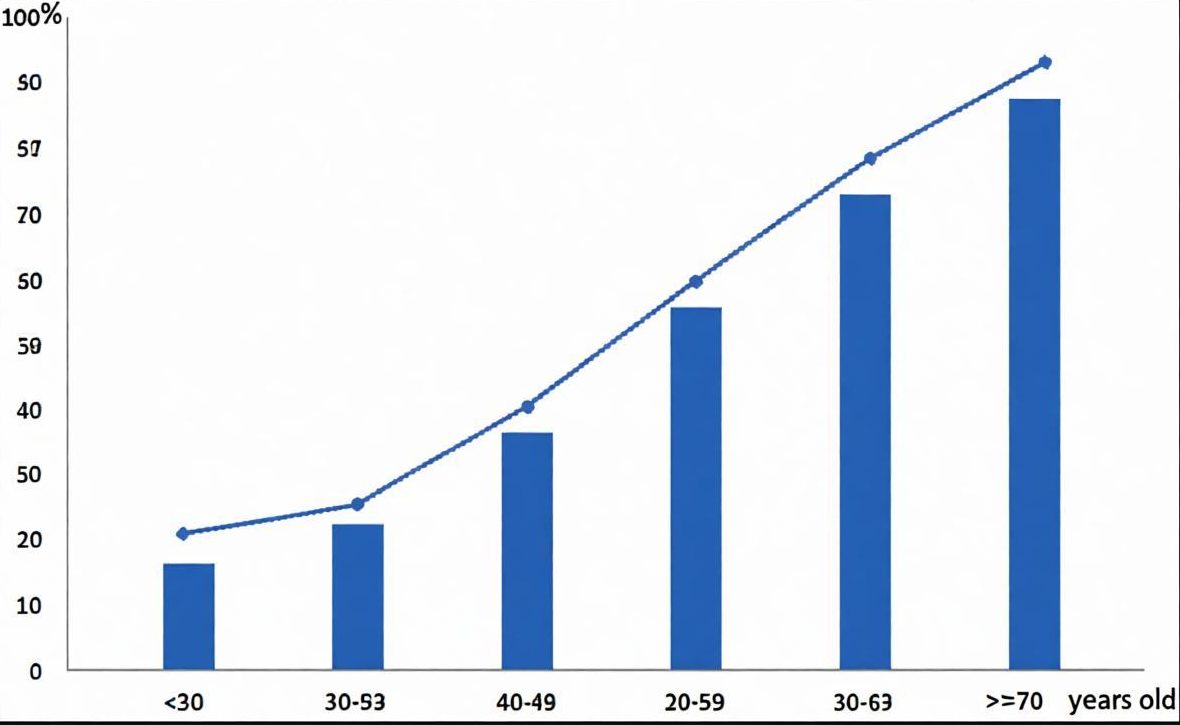
The prevalence of ED isn’t constant throughout life. It increases progressively with age, although the rate of increase varies depending on the specific definition of ED used in studies. Here’s a generalized overview:
Younger Men (18-29 years)
ED is relatively rare in this age group, occurring in approximately 5-10% of men. When it does occur, it’s often related to psychological factors (anxiety, performance pressure), underlying medical conditions (e.g., sickle cell anemia), or medication side effects.
Men in their 30s and 40s (30-49 years)
Prevalence begins to rise, reaching roughly 15-20%. Lifestyle factors like smoking, excessive alcohol consumption, and obesity become increasingly significant contributors. Early signs of vascular disease may also be present in some individuals.
Men in their 50s and 60s (50-69 years)
A substantial increase in prevalence is observed, affecting 30-50% of men. The cumulative effects of hormonal changes, vascular disease, and neurological decline become more apparent. Comorbidities like diabetes, hypertension, and cardiovascular disease are frequently present and exacerbate ED.
Men over 70 (70+ years)
ED prevalence can exceed 50-60%. The prevalence of chronic diseases is highest in this age group, further contributing to the problem. Many older men may have become accustomed to a degree of erectile dysfunction and may not actively seek treatment.
Psychological and Lifestyle Factors
While physiological changes form the biological basis of age-related ED, psychological and lifestyle factors play a crucial, often interacting, role. Ignoring these factors leads to incomplete treatment.
Psychological Impact – Anxiety and Depression
ED can create a vicious cycle. The initial experience of difficulty achieving or maintaining an erection can lead to anxiety and performance pressure, which further impairs erectile function.
Depression, which is more prevalent in older men, can also significantly impact libido and erectile function. Relationship problems and lack of intimacy exacerbate these psychological issues.
Lifestyle Choices – Smoking, Alcohol, and Diet
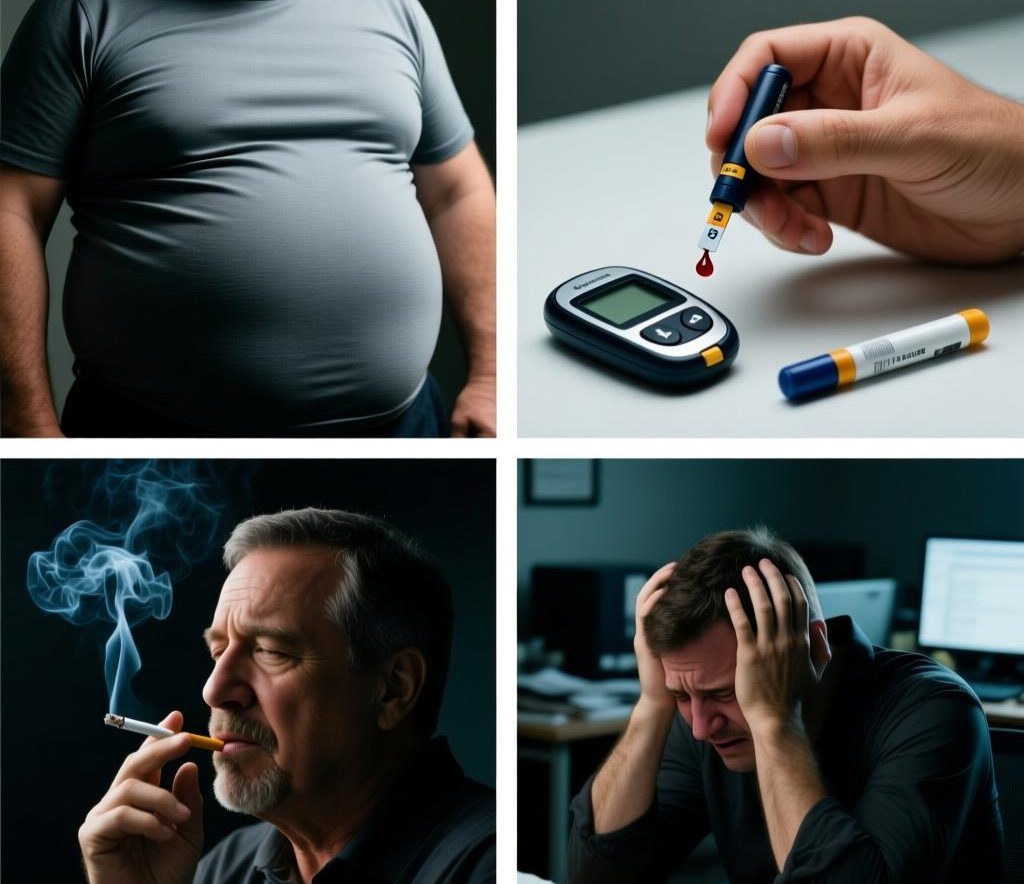
Smoking damages blood vessels, accelerating atherosclerosis and contributing to ED. Excessive alcohol consumption can impair nerve function and reduce testosterone levels. A diet high in saturated fat and cholesterol promotes vascular disease.
Sedentary lifestyle and lack of physical activity further contribute to obesity and cardiovascular risk factors, all of which negatively impact erectile function.
Relationship Dynamics – Communication and Intimacy
Changes in sexual desire and function can strain relationships. Poor communication between partners can lead to misunderstandings and resentment. A decline in intimacy, whether physical or emotional, can further reduce sexual desire and contribute to ED.
Societal and Cultural Perspectives
Societal attitudes towards aging and sexuality significantly influence how men perceive and cope with age-related ED.
The Stigma of Aging and Sexual Decline
Many cultures equate masculinity with sexual prowess. The perception of sexual decline in older age can be deeply distressing for men, leading them to feel inadequate or less of a man. This stigma often prevents men from seeking help.
Changing Family Dynamics and Social Isolation
Retirement, loss of loved ones, and changes in family dynamics can lead to social isolation, impacting overall well-being and sexual desire. The lack of a social support system can exacerbate psychological distress and contribute to ED.
Evolving Definitions of Sexuality and Intimacy
While biological changes may limit some forms of sexual activity, many older men find satisfaction in other forms of intimacy, such as cuddling, kissing, and emotional connection. A shift in perspective towards a broader definition of sexuality can improve quality of life and reduce the negative impact of ED.
Diagnosis, Management, and Future Directions
A comprehensive approach to managing age-related ED requires addressing both the physical and psychological factors.
Diagnostic Workup – Beyond the Symptom
A thorough medical history, including assessment of cardiovascular risk factors, hormonal status (testosterone levels), and medication use, is essential. Physical examination should include assessment of peripheral pulses and neurological function.
Psychological assessment to evaluate anxiety, depression, and relationship issues is crucial. Specific tests, such as penile Doppler ultrasound, may be used to evaluate vascular function.
Treatment Options – A Multifaceted Approach
Lifestyle Modifications: Smoking cessation, alcohol moderation, weight management, and regular exercise are foundational. Medications: Phosphodiesterase-5 (PDE5) inhibitors (e.g., sildenafil, tadalafil) are often the first-line treatment, but their efficacy may be reduced in men with severe vascular disease.
Testosterone Replacement Therapy (TRT): May be considered for men with documented hypogonadism, but potential risks and benefits must be carefully weighed.
Vacuum Erection Devices (VEDs): Can be a non-pharmacological option for men who cannot tolerate or do not respond to medications.
Penile Implants: A surgical option for men who have failed other treatments. Psychotherapy/Counseling: Can address psychological issues and improve communication in relationships.
Future Research – Personalized Medicine
Future research should focus on developing personalized treatment approaches based on individual risk factors, hormonal profiles, and psychological assessments. Biomarkers to predict the risk of ED and response to treatment are needed.
Exploring novel therapies targeting endothelial dysfunction and neurological pathways holds promise. Furthermore, culturally sensitive interventions to reduce stigma and encourage help-seeking behavior are essential.
Conclusion
Age-related erectile dysfunction is a common and complex problem affecting a significant proportion of men. While physiological changes are a primary driver, psychological, lifestyle, and societal factors play critical roles.
A comprehensive and patient-centered approach, addressing all aspects of this condition, is essential for improving quality of life and maintaining sexual health throughout the aging process.
Breaking down stigma, promoting open communication, and fostering a positive attitude towards sexuality in later life are paramount to ensuring that older men can continue to experience fulfilling and intimate relationships.