The Link Between Physical Fitness and Sexual Health
Physical fitness and sexual health are intricately connected, with exercise playing a pivotal role in maintaining and enhancing men’s sexual well-being. Regular physical activity is associated with improved cardiovascular health, increased testosterone levels, and better overall energy, all of which contribute to sexual function.
However, the question of whether exercise can directly affect penis size remains a topic of debate. While there is no scientific evidence to suggest that exercise can significantly alter the size of the penis, its impact on sexual health is undeniable.
This section explores the broader relationship between physical fitness and sexual health, emphasizing the importance of a holistic approach to maintaining optimal sexual function.
The Myth of Penis Size and the Role of Exercise
The idea that exercise can change penis size is a persistent myth, often fueled by cultural stereotypes and anecdotal claims. Many men believe that physical activity, particularly exercises targeting the pelvic region, can increase the size of their penis. However, scientific research does not support this notion.
The size of the penis is largely determined by genetics and hormonal factors during puberty. While exercise can improve overall body composition and muscle tone, it does not alter the anatomical structure of the penis.
This section delves into the origins of this myth and examines the lack of empirical evidence linking exercise to penis size changes.
Hormonal Influence: How Exercise Affects Sexual Function
Exercise has a profound impact on hormonal balance, which in turn influences sexual health. Testosterone, the primary male sex hormone, plays a critical role in libido, erectile function, and overall sexual performance.
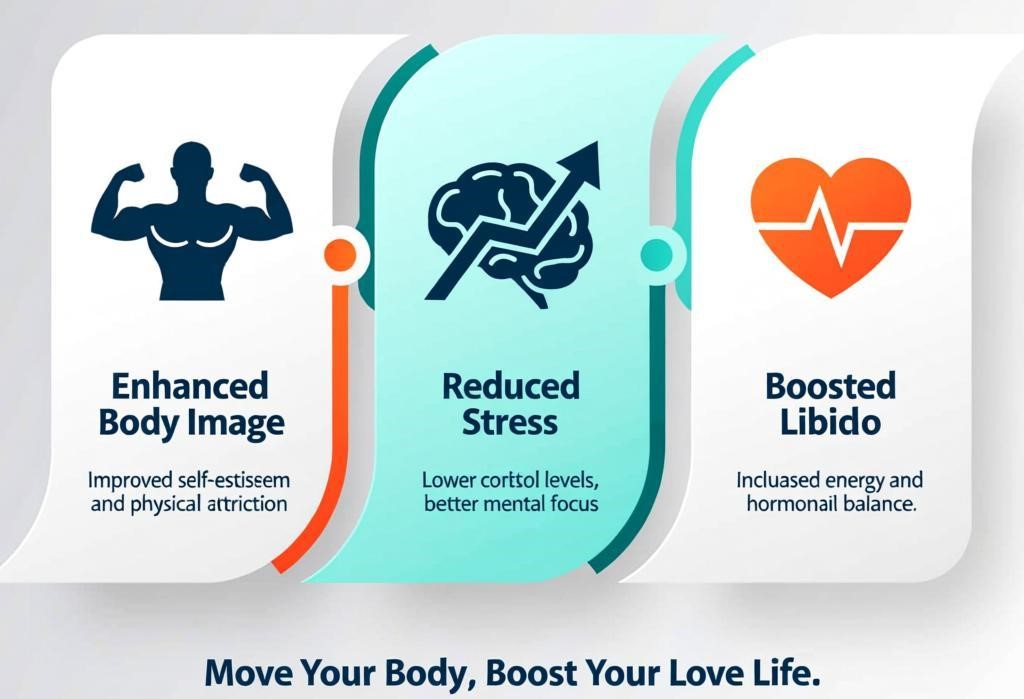
Regular physical activity, particularly resistance training and aerobic exercise, has been shown to increase testosterone levels while reducing cortisol, the stress hormone.
This hormonal balance is essential for maintaining sexual desire and function. However, the relationship between exercise and testosterone is complex, with factors such as intensity, duration, and individual physiology playing significant roles.
This section explores the interplay between exercise, hormones, and sexual health, highlighting the importance of a balanced approach to physical activity.
Cardiovascular Health and Erectile Function
Erectile dysfunction (ED) is a common issue that can be exacerbated by poor cardiovascular health. The cardiovascular system is responsible for delivering blood to the penis, and exercise plays a crucial role in maintaining healthy blood flow.
Regular aerobic exercise, such as running, swimming, or cycling, strengthens the heart and improves circulation, which can enhance erectile function. Studies have shown that men who engage in regular physical activity are less likely to experience ED compared to sedentary individuals.
However, the benefits of exercise on erectile function are not limited to cardiovascular health alone; they also extend to the nervous system and hormonal regulation. This section examines the connection between cardiovascular fitness and sexual performance, emphasizing the importance of a healthy lifestyle.
Psychological Benefits of Exercise on Sexual Confidence and Performance
Exercise not only has physical benefits but also significant psychological effects that can enhance sexual health. Regular physical activity is associated with improved self-esteem, reduced anxiety, and better mood regulation, all of which contribute to sexual confidence and performance.
Men who engage in regular exercise often report feeling more confident in their bodies and more capable in their sexual relationships. Additionally, exercise can help alleviate symptoms of depression, which is a known contributor to sexual dysfunction.
However, the psychological benefits of exercise are not universal, and individual responses can vary. This section explores the mental health aspects of exercise and their impact on sexual well-being.
The Role of Strength Training and Core Stability in Sexual Health
Strength training and core stability exercises are often overlooked in discussions about sexual health, yet they can have a significant impact on sexual function. A strong core and muscular endurance can improve posture, balance, and overall physical performance, which are all beneficial for sexual activity.
Additionally, exercises that target the pelvic floor muscles, such as Kegels, can enhance sexual sensation and control. However, the direct link between strength training and penis size remains a topic of debate.
While some studies suggest that targeted exercises may improve sexual function, there is no evidence to support the idea that they can alter penis size. This section discusses the role of strength training in sexual health, focusing on its impact on performance rather than physical dimensions.
Debunking Common Myths About Exercise and Penis Size
Despite the lack of scientific evidence, numerous myths persist about the relationship between exercise and penis size. One common belief is that specific exercises, such as squats or deadlifts, can increase penis size by stimulating blood flow.
However, these claims are not supported by clinical research. Another myth is that excessive exercise can lead to a reduction in penis size, which is also unfounded. The human body does not respond to exercise in a way that would alter the size of the penis.
This section aims to debunk these misconceptions and provide a clear understanding of the physiological limitations of exercise in relation to penis size.
Cultural Perceptions and the Pressure to Perform
Cultural attitudes toward male sexuality and body image play a significant role in shaping beliefs about the effects of exercise on penis size. In many societies, there is a pervasive emphasis on male virility and physical prowess, leading to unrealistic expectations about sexual performance.
This cultural pressure can drive men to seek out exercises or supplements that promise to enhance penis size, even when such claims are not backed by science.
Additionally, the media often perpetuates stereotypes that equate sexual performance with physical attributes, further reinforcing the myth that exercise can alter penis size. This section examines the cultural factors that contribute to these misconceptions and their impact on men’s sexual health.
Practical Recommendations for Integrating Exercise into Sexual Health Routines
While exercise does not directly affect penis size, it is a vital component of maintaining overall sexual health. To integrate exercise into a sexual health routine, men should focus on activities that promote cardiovascular health, hormonal balance, and psychological well-being.
A combination of aerobic exercise, strength training, and flexibility exercises can enhance sexual function and confidence. Additionally, it is important to prioritize rest and recovery, as overtraining can lead to fatigue and reduced sexual performance.
This section provides practical recommendations for incorporating exercise into a holistic approach to sexual health, emphasizing the importance of balance and consistency.
Conclusion: A Holistic Approach to Men’s Sexual Well-being
In conclusion, while exercise does not alter the size of the penis, it plays a crucial role in maintaining and enhancing men’s sexual health. The benefits of physical activity extend beyond physical dimensions, encompassing cardiovascular health, hormonal balance, psychological well-being, and overall confidence.
It is essential to dispel the myths surrounding exercise and penis size and to focus on a holistic approach to sexual well-being. By prioritizing a balanced lifestyle that includes regular exercise, healthy habits, and mental well-being, men can achieve optimal sexual health without falling prey to unfounded beliefs about body size.
Ultimately, the key to a fulfilling sexual life lies in understanding the true impact of exercise and embracing a comprehensive approach to health.