
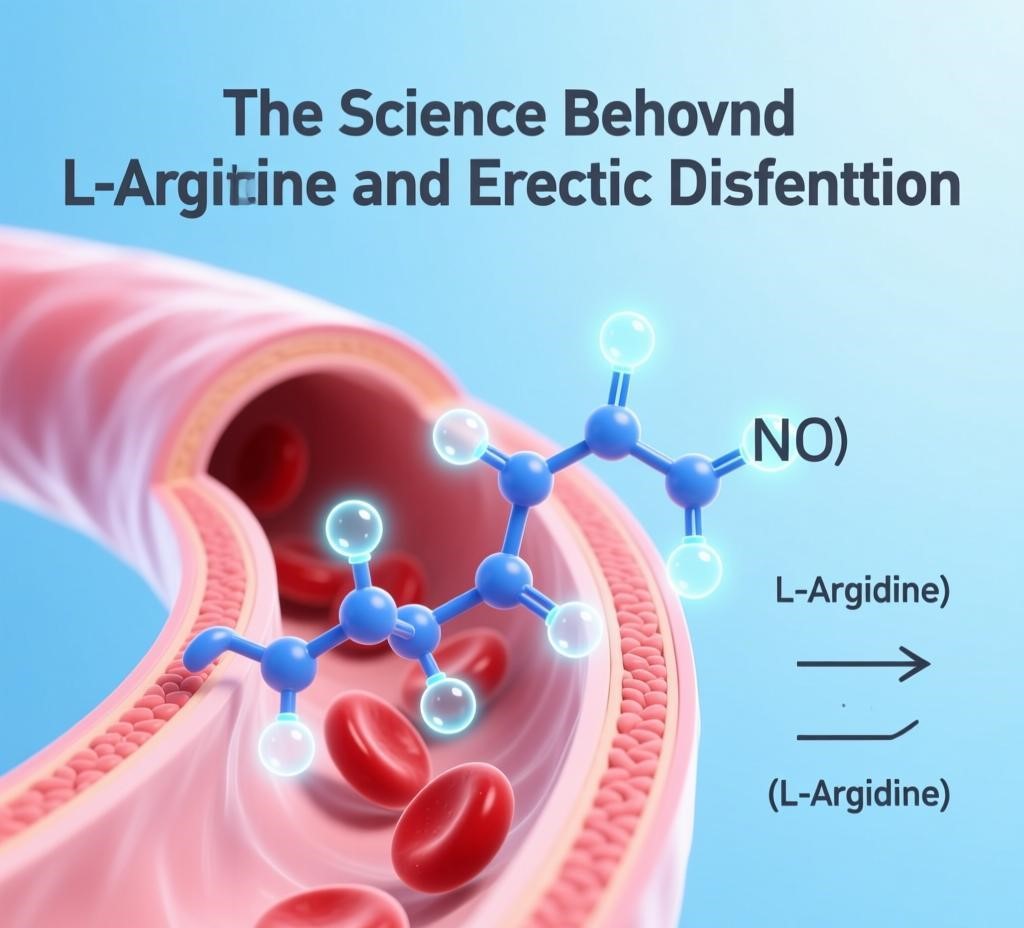
The Science Behind L-Arginine and Erectile Dysfunction
Erectile dysfunction (ED), a common condition affecting millions of men worldwide, is often linked to underlying health issues such as cardiovascular disease, diabetes, and hormonal imbalances. While conventional treatments like phosphodiesterase type 5 (PDE5) inhibitors (e.g., sildenafil, tadalafil) remain the gold standard, patients increasingly seek alternative therapies, including dietary supplements. One such supplement, L-arginine, has garnered attention for its potential role in improving erectile function. This section explores the biochemical mechanisms of L-arginine and its connection to ED, drawing on current scientific research and clinical evidence.
L-arginine is a semi-essential amino acid that serves as a precursor to nitric oxide (NO), a molecule critical for vascular health. When L-arginine is metabolized in the endothelium, it is converted into NO via the enzyme nitric oxide synthase (NOS). NO acts as a vasodilator, relaxing smooth muscle cells in blood vessels and increasing blood flow. In the context of ED, this mechanism is particularly relevant because reduced NO production is often associated with impaired penile erection. Studies suggest that men with ED may have diminished endothelial function, leading to inadequate blood flow during sexual stimulation. By enhancing NO availability, L-arginine may theoretically improve erectile function by promoting penile vasodilation.
However, the relationship between L-arginine and ED is not fully understood. While some research supports its efficacy, other studies have yielded mixed or inconclusive results. For instance, a 2012 meta-analysis published in the Journal of Sexual Medicine reviewed 14 randomized controlled trials (RCTs) and found that L-arginine supplementation significantly improved erectile function in men with mild to moderate ED. However, the study also noted that the effect size was modest, and the results varied depending on dosage, duration of treatment, and patient demographics. These findings highlight the complexity of L-arginine’s role in ED and underscore the need for further investigation.
Another critical factor is the interplay between L-arginine and other physiological processes. For example, the efficacy of L-arginine may depend on the presence of cofactors such as vitamin B6, magnesium, and antioxidants, which are necessary for optimal NO production. Additionally, the body’s ability to metabolize L-arginine may decline with age, potentially limiting its effectiveness in older men. These nuances suggest that L-arginine is not a one-size-fits-all solution but rather a component of a broader therapeutic strategy.
Clinical Evidence and Research Findings
The clinical evidence surrounding L-arginine and ED is mixed, reflecting the challenges of studying nutritional supplements in a medical context. While some studies demonstrate potential benefits, others fail to replicate these results, raising questions about the supplement’s efficacy. This section examines key clinical trials, meta-analyses, and observational studies to evaluate the current state of research.
A landmark study published in Urology in 2005 investigated the effects of L-arginine on 40 men with ED. Participants received 4 grams of L-arginine daily for 12 weeks, and their erectile function was assessed using the International Index of Erectile Function (IIEF) questionnaire. The results showed a statistically significant improvement in erectile function scores, with 70% of participants reporting better sexual performance. However, the study had a small sample size and lacked a placebo-controlled group, limiting its generalizability.
In contrast, a 2017 systematic review and meta-analysis of 12 RCTs published in Andrology found that L-arginine supplementation had a limited impact on erectile function. The authors noted that while some studies reported modest improvements, the overall effect size was small and not consistently replicated across trials. They also highlighted methodological limitations, such as variability in dosing, study duration, and patient selection criteria. These findings suggest that while L-arginine may offer some benefit, its role as a primary treatment for ED remains uncertain.
Another area of interest is the combination of L-arginine with other supplements, such as L-citrulline, which is also a precursor to NO. A 2019 study in The Journal of Sexual Medicine found that a combination of L-arginine and L-citrulline (1.5 grams each) improved erectile function more effectively than either supplement alone. This synergy suggests that the interaction between amino acids may enhance NO production and, consequently, erectile outcomes. However, further research is needed to confirm these findings and determine optimal dosing strategies.
Despite these promising results, it is important to recognize the limitations of current research. Many studies on L-arginine and ED are observational or have small sample sizes, making it difficult to draw definitive conclusions. Additionally, the long-term safety and efficacy of L-arginine supplementation remain understudied, particularly in patients with comorbid conditions such as diabetes or hypertension. These gaps in knowledge highlight the need for more rigorous, large-scale clinical trials to establish L-arginine’s place in ED management.
Patient Perspectives and Real-World Experiences
While clinical trials provide valuable insights, the real-world experiences of patients offer a complementary perspective on the effectiveness of L-arginine for ED. Anecdotal reports and patient testimonials often reflect the variability in individual responses to supplementation, as well as the influence of lifestyle factors and psychological elements on sexual function.
Many men who have tried L-arginine report subjective improvements in their sexual performance. For example, a 45-year-old patient with mild ED noted that taking 500 mg of L-arginine twice daily for three months led to increased morning erections and improved sexual satisfaction. However, it is important to note that such improvements may not be solely attributable to L-arginine, as lifestyle changes (e.g., exercise, stress reduction) and psychological factors (e.g., anxiety, relationship dynamics) can also play a role. This underscores the complexity of ED and the need for a holistic approach to treatment.
Conversely, some patients experience limited or no benefit from L-arginine. A 60-year-old man with diabetes and hypertension reported that despite taking 3 grams of L-arginine daily for six months, his erectile function remained unchanged. In this case, the lack of improvement may be attributed to underlying vascular damage caused by diabetes and hypertension, which are known to impair endothelial function. This highlights the importance of addressing comorbidities when treating ED and suggests that L-arginine may be more effective in men without significant cardiovascular disease.
Additionally, patient experiences often reveal the challenges of adhering to supplementation regimens. Some individuals find it difficult to maintain consistent dosing, particularly if they experience mild side effects such as gastrointestinal discomfort or headaches. Others may be deterred by the cost or the lack of immediate results, leading to discontinuation of the supplement. These factors emphasize the need for personalized treatment plans that consider patient preferences, lifestyle, and medical history.
Beyond physical outcomes, patient feedback often includes emotional and psychological aspects. For instance, some men report feeling more confident in their sexual performance after starting L-arginine, which can positively impact their self-esteem and relationship satisfaction. However, others may feel frustrated if the supplement does not deliver the expected results, leading to a sense of disappointment or mistrust in alternative therapies. These psychological responses further illustrate the multifaceted nature of ED and the importance of addressing both physical and emotional components in treatment.
Detailed Ingredients and Formulations
L-arginine is available in various forms, including capsules, tablets, powders, and liquid solutions. The purity and quality of these products can vary significantly, making it essential for consumers to scrutinize the ingredients and manufacturing processes. This section provides an in-depth analysis of the key components of L-arginine supplements and their potential impact on efficacy and safety.
The primary active ingredient in L-arginine supplements is L-arginine itself, which is typically sourced from plant-based or synthetic origins. The concentration of L-arginine in these products can range from 500 mg to 5,000 mg per dose, depending on the manufacturer’s formulation. However, it is crucial to note that the bioavailability of L-arginine may be influenced by the presence of other ingredients. For example, some supplements include buffering agents such as citrate or malate to enhance absorption and reduce gastrointestinal side effects. These additives can improve the tolerability of L-arginine, particularly in individuals with sensitive digestive systems.
In addition to L-arginine, many supplements incorporate other compounds to support vascular health and enhance the effects of the amino acid. Common co-factors include vitamin B6, magnesium, and antioxidants such as vitamin C and E. Vitamin B6 is essential for the enzymatic conversion of L-arginine to NO, while magnesium plays a role in maintaining vascular tone and preventing vasoconstriction. Antioxidants may help mitigate oxidative stress, which is known to impair endothelial function and contribute to ED. These synergistic ingredients can potentially amplify the therapeutic benefits of L-arginine, but their inclusion is not universal across all products.
The form of the supplement also affects its effectiveness. For instance, powdered L-arginine may be more easily absorbed when mixed with water, whereas capsules and tablets may be preferred by individuals who dislike the taste or texture of the powder. However, the choice of formulation can also influence the rate of absorption. Studies suggest that L-arginine is rapidly absorbed in the gastrointestinal tract, with peak plasma levels typically reached within 30 to 60 minutes after ingestion. This rapid absorption profile may be advantageous for men seeking immediate effects, but it also means that the supplement’s effects may be short-lived without consistent dosing.
It is also important to consider the potential for interactions between L-arginine and other medications or supplements. For example, individuals taking nitrates (used to treat angina) should avoid L-arginine, as the combination can lead to a dangerous drop in blood pressure. Similarly, L-arginine may interact with antihypertensive medications, requiring careful monitoring. These interactions underscore the importance of consulting a healthcare provider before starting any new supplement regimen, particularly for patients with preexisting medical conditions.
Benefits Beyond Erectile Dysfunction
While the primary focus of L-arginine supplementation is on improving erectile function, research suggests that it may offer additional health benefits. These include cardiovascular support, improved exercise performance, and potential neuroprotective effects. This section explores these secondary benefits and their relevance to overall health and well-being.
One of the most well-documented benefits of L-arginine is its role in cardiovascular health. As a precursor to nitric oxide, L-arginine helps regulate blood pressure by promoting vasodilation and improving endothelial function. Studies have shown that regular supplementation with L-arginine can lead to modest reductions in systolic and diastolic blood pressure, particularly in individuals with mild hypertension. This effect is thought to be mediated by the enhanced production of NO, which helps relax blood vessels and improve blood flow. For men with ED, this cardiovascular benefit may be particularly relevant, as ED is often a marker of underlying cardiovascular disease.
In addition to cardiovascular support, L-arginine has been linked to improved exercise performance. Athletes and fitness enthusiasts often use L-arginine supplements to enhance endurance and reduce muscle fatigue. The mechanism behind this benefit is believed to involve the increased availability of NO, which improves oxygen delivery to muscles and enhances mitochondrial efficiency. A 2016 study published in Sports Medicine found that L-arginine supplementation increased time to exhaustion during exercise, suggesting its potential as a performance-enhancing supplement. However, the magnitude of these effects may vary depending on the individual’s fitness level and the dosage of L-arginine.
Another area of interest is the neuroprotective potential of L-arginine. Emerging research suggests that NO may play a role in maintaining cognitive function and protecting against neurodegenerative diseases. A 2020 review in Neuroscience and Biobehavioral Reviews highlighted the potential of L-arginine in mitigating oxidative stress and inflammation in the brain, which are implicated in conditions such as Alzheimer’s disease and Parkinson’s disease. While these findings are preliminary, they suggest that L-arginine may have broader applications beyond sexual health.
Beyond physical health, L-arginine may also contribute to mental well-being. Some studies have indicated that the amino acid may help alleviate symptoms of depression and anxiety by modulating neurotransmitter activity. For example, L-arginine is involved in the synthesis of nitric oxide, which has been linked to mood regulation and stress response. While more research is needed to confirm these effects, the potential for L-arginine to support mental health adds another layer to its therapeutic profile.
Medical Advice and Safety Considerations
While L-arginine may offer potential benefits for men with ED, it is not a standalone solution and should be used under the guidance of a healthcare provider. This section provides essential medical advice on the safe use of L-arginine, including recommended dosages, potential side effects, and considerations for patients with preexisting conditions.
The recommended dosage of L-arginine for ED typically ranges from 500 mg to 3,000 mg per day, depending on the individual’s needs and response to treatment. Most studies suggest that a daily dose of 1,500 to 3,000 mg is effective for improving erectile function, although some patients may require lower or higher doses. It is important to start with a lower dose and gradually increase it to assess tolerance and minimize side effects. For example, a 2018 study in The Journal of Urology found that 1,500 mg of L-arginine daily for 12 weeks led to significant improvements in erectile function without causing adverse effects. However, the optimal dosage may vary based on factors such as age, weight, and the presence of comorbid conditions.
Potential side effects of L-arginine include gastrointestinal discomfort, such as nausea, bloating, and flatulence. These symptoms are often mild and may be mitigated by taking the supplement with food or adjusting the dosage. Headaches are another common side effect, likely due to the vasodilatory effects of nitric oxide. While generally harmless, severe headaches should prompt medical evaluation to rule out other causes. In rare cases, L-arginine may cause a drop in blood pressure, particularly in individuals taking medications for hypertension or heart disease. Patients on nitrates (e.g., nitroglycerin) should avoid L-arginine altogether, as the combination can lead to life-threatening hypotension.
Patients with preexisting medical conditions should exercise caution when using L-arginine. For example, individuals with diabetes may experience enhanced hypoglycemic effects when taking L-arginine alongside insulin or oral hypoglycemic agents, requiring careful monitoring of blood sugar levels. Similarly, patients with kidney or liver disease may have altered metabolism of L-arginine, necessitating dose adjustments or alternative treatments. It is also important to note that L-arginine may interact with certain medications, including antihypertensives, diuretics, and antiplatelet drugs, highlighting the need for a thorough medication review before starting supplementation.
Beyond pharmacological interactions, lifestyle factors play a crucial role in the effectiveness of L-arginine. Patients should be encouraged to adopt healthy habits such as regular physical activity, a balanced diet, and stress management techniques. These lifestyle changes can complement the effects of L-arginine and address underlying contributors to ED, such as obesity, metabolic syndrome, and psychological stress. For instance, a 2021 study in The American Journal of Medicine found that combining L-arginine with lifestyle modifications led to greater improvements in erectile function compared to L-arginine alone. This underscores the importance of a holistic approach to ED management.
Integrating L-Arginine into a Holistic Treatment Plan
Erectile dysfunction is a multifaceted condition that often requires a comprehensive treatment strategy. While L-arginine may offer some therapeutic benefits, it should not be viewed as a standalone solution. This section explores how L-arginine can be integrated into a broader treatment plan that addresses the underlying causes of ED, including cardiovascular health, psychological factors, and lifestyle modifications.
One of the key advantages of L-arginine is its potential to support cardiovascular health, which is closely linked to ED. By improving endothelial function and promoting vasodilation, L-arginine can complement conventional treatments for cardiovascular disease, such as lifestyle changes, medication, and surgical interventions. For example, a patient with ED and hypertension may benefit from combining L-arginine with antihypertensive therapy to address both conditions simultaneously. However, it is essential to monitor blood pressure regularly and adjust dosages as needed to avoid hypotension.
Psychological factors such as anxiety, depression, and relationship issues can also contribute to ED. In these cases, L-arginine may serve as an adjunct to psychotherapy, counseling, or medications such as selective serotonin reuptake inhibitors (SSRIs). While L-arginine itself does not directly address psychological causes of ED, its ability to improve physical function may enhance a patient’s confidence and reduce performance anxiety. This synergy between physical and psychological treatments highlights the importance of a multidisciplinary approach to ED management.
Lifestyle modifications remain a cornerstone of ED treatment, and L-arginine can be a valuable component of these changes. Regular exercise, for instance, has been shown to improve endothelial function and enhance NO production, which may amplify the effects of L-arginine. A 2020 study in The Journal of Clinical Endocrinology & Metabolism found that men who engaged in moderate-intensity exercise for 30 minutes daily experienced significant improvements in erectile function, even when L-arginine was not used. This suggests that physical activity can be a powerful tool in managing ED, potentially reducing the need for supplements.
Finally, patient education is critical in ensuring the safe and effective use of L-arginine. Healthcare providers should emphasize the importance of personalized treatment plans, regular follow-up, and open communication about treatment outcomes. By fostering a collaborative relationship between patients and providers, men with ED can make informed decisions about their care and achieve optimal results.