
Male enhancement is a topic that has garnered significant attention in both medical and wellness circles. While the pursuit of improved stamina, confidence, and overall vitality is deeply personal, it is also rooted in scientific principles.
Understanding the Science Behind Male Enhancement
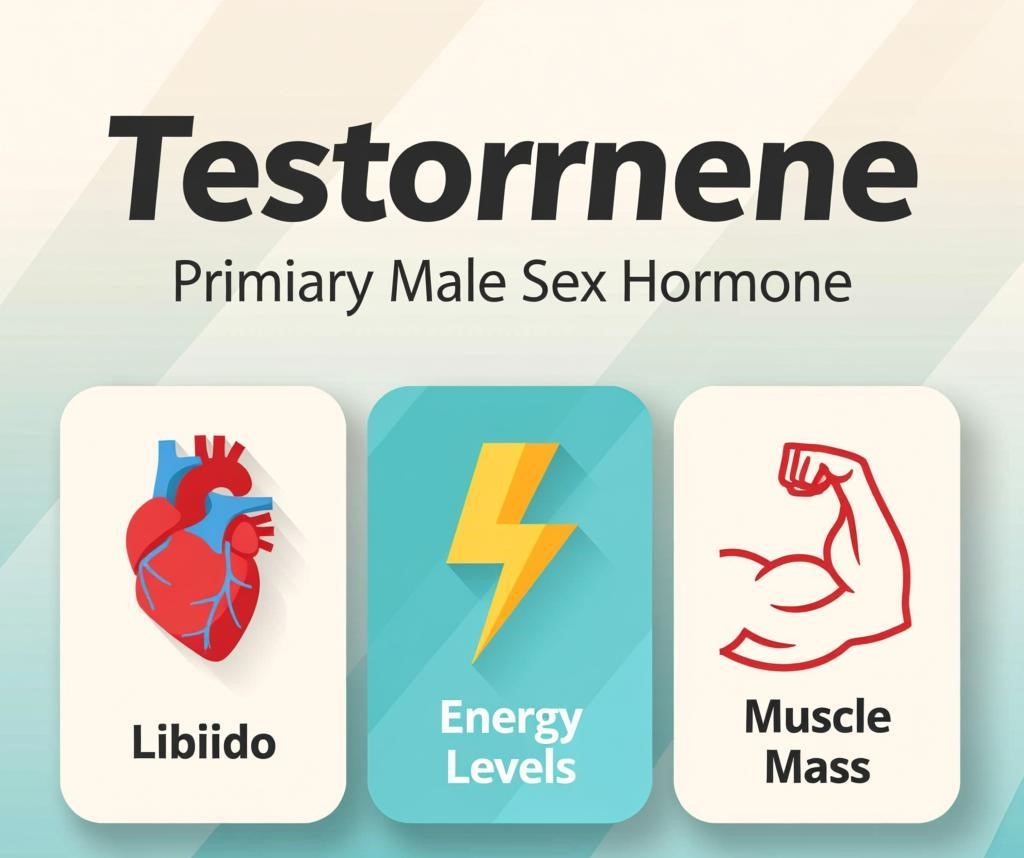
From a physiological standpoint, male enhancement often involves addressing factors such as hormonal balance, cardiovascular health, and nerve sensitivity. For instance, testosterone, the primary male sex hormone, plays a critical role in libido, energy levels, and muscle mass.
However, as men age, testosterone levels naturally decline, which can lead to reduced stamina and diminished confidence. This decline is not solely a result of aging but is also influenced by lifestyle choices, stress, and nutritional deficiencies.
Understanding these biological mechanisms is essential for developing effective strategies to enhance male performance. Modern research has also highlighted the importance of nitric oxide in improving blood flow, which is directly linked to erectile function and overall sexual health.
By combining scientific insights with practical approaches, individuals can take a holistic path toward achieving their goals. However, it is crucial to differentiate between natural, evidence-based methods and unproven claims, ensuring that any intervention is both safe and effective.
Exploring Natural Approaches to Stamina and Confidence
For many men, the journey toward enhanced stamina and confidence begins with natural, lifestyle-based interventions. These methods focus on optimizing the body’s existing systems without relying on pharmaceuticals or supplements.
One of the most effective natural strategies is a balanced diet rich in nutrients that support hormonal health and cardiovascular function. Foods such as leafy greens, nuts, and fatty fish are high in antioxidants, omega-3 fatty acids, and vitamins that can improve blood flow and reduce inflammation. For example, L-arginine, an amino acid found in foods like spinach and poultry, is known to boost nitric oxide production, which enhances circulation and endurance.
Similarly, zinc-rich foods like oysters and pumpkin seeds can support testosterone levels, indirectly improving stamina and libido. Physical exercise is another cornerstone of natural enhancement. Regular cardiovascular activities such as running, swimming, or cycling can significantly improve stamina by strengthening the heart and lungs.
Strength training, particularly exercises targeting the core and lower body, can also enhance muscle mass and endurance. Additionally, yoga and mindfulness practices have been shown to reduce stress and improve mental focus, which are critical for maintaining confidence during physical activities.
It is important to note that consistency is key; even small changes in diet and exercise can yield noticeable improvements over time. However, the effectiveness of these natural approaches can vary depending on individual health conditions, and it is advisable to consult a healthcare professional before making significant lifestyle changes.
The Role of Psychological Factors in Male Confidence
While physiological health is undeniably important, the psychological aspects of male confidence cannot be overlooked. Confidence is a complex interplay of self-perception, emotional stability, and social interactions, all of which can significantly impact stamina and performance.
A man’s self-esteem, for instance, often influences his willingness to take risks or engage in activities that challenge his physical or mental limits. Low self-confidence can lead to anxiety, which may manifest as performance pressure, reducing both stamina and enjoyment during physical activities.
Conversely, a strong sense of self-worth can foster resilience, enabling individuals to push through fatigue and maintain focus. Psychological well-being is also closely tied to hormonal balance. Chronic stress, for example, can elevate cortisol levels, which may suppress testosterone production and further exacerbate feelings of fatigue or insecurity.
Mindfulness practices, cognitive-behavioral techniques, and therapy can help address these underlying issues by promoting emotional regulation and self-awareness. Additionally, building a supportive social network can provide encouragement and reduce the fear of failure, which is essential for maintaining confidence.
It is worth noting that psychological factors are often intertwined with physical health; for instance, improved stamina through exercise can lead to increased confidence, creating a positive feedback loop. Therefore, integrating mental health strategies with physical interventions can yield more comprehensive results.
Scientific Insights into Stamina and Confidence Enhancements
Recent advancements in medical research have provided deeper insights into the mechanisms behind stamina and confidence improvements. Studies have shown that certain compounds can enhance physical performance and mental resilience by targeting specific biological pathways.
For example, research on phosphodiesterase type 5 (PDE5) inhibitors has demonstrated their effectiveness in improving blood flow and erectile function, which are closely linked to stamina. These findings have led to the development of medications that not only address sexual health but also contribute to overall vitality.
However, while these interventions are scientifically validated, they are often accompanied by potential side effects and require careful consideration. Another area of scientific interest is the role of neurochemicals in confidence and performance.
Dopamine, a neurotransmitter associated with motivation and reward, plays a crucial role in maintaining focus and drive. Studies have suggested that activities such as regular exercise, adequate sleep, and a nutrient-rich diet can naturally boost dopamine levels, enhancing both stamina and self-assurance.
Similarly, serotonin, another key neurotransmitter, is linked to emotional stability and resilience, further emphasizing the connection between mental health and physical performance. These discoveries underscore the importance of a holistic approach, where both biological and psychological factors are addressed simultaneously.
However, it is essential to distinguish between evidence-based interventions and anecdotal claims, as not all products or practices are supported by rigorous scientific research.
Understanding the Claims Behind Magnum Pills
Magnum Pills, as a product, is marketed as a comprehensive solution for enhancing stamina, confidence, and overall vitality. The manufacturer typically highlights ingredients such as herbal extracts, amino acids, and natural compounds that are purported to support sexual health and energy levels.
For instance, many formulations include ingredients like Tribulus Terrestris, which is claimed to boost testosterone production, and L-arginine, which is associated with improved blood flow. However, the efficacy of these ingredients can vary, and their impact on stamina and confidence may depend on individual physiology and lifestyle factors.
It is important to critically evaluate the claims made by manufacturers. While some ingredients have been studied for their potential benefits, the extent of their effectiveness in real-world scenarios may not be fully substantiated.
For example, while L-arginine has shown promise in improving circulation, its role in enhancing stamina remains a topic of debate among researchers. Similarly, the use of herbal supplements like Ginseng or Ashwagandha is often cited for their adaptogenic properties, but the evidence for their direct impact on male enhancement is mixed.
Additionally, the absence of standardized dosages and quality control measures in some products raises concerns about consistency and safety. Therefore, while Magnum Pills may offer certain benefits, it is crucial to approach them with a discerning eye and consider them as part of a broader strategy for health and wellness.
Expert Opinions on Male Enhancement Strategies
Healthcare professionals and researchers have long been involved in studying the factors that influence male stamina and confidence. According to Dr. Michael Thompson, a urologist specializing in sexual health, “The most effective male enhancement strategies are those that address both physical and psychological factors. While supplements and medications can provide temporary relief, long-term improvements require lifestyle changes such as diet, exercise, and stress management.”
Dr. Thompson emphasizes that individualized approaches are essential, as factors like age, pre-existing health conditions, and personal goals can significantly impact the effectiveness of any intervention. Similarly, Dr. Sarah Lee, a nutritionist and wellness expert, highlights the importance of holistic health.
“Many men overlook the role of nutrition and sleep in their overall vitality,” she explains. “A diet rich in antioxidants, healthy fats, and complex carbohydrates, combined with adequate sleep, can have a profound effect on stamina and confidence.”
Dr. Lee also cautions against relying solely on supplements, noting that they should be used in conjunction with lifestyle modifications. She recommends consulting with a healthcare provider before starting any new regimen, especially if there are underlying health conditions or medications being taken.
These expert insights underscore the need for a multifaceted approach to male enhancement. While products like Magnum Pills may offer some benefits, they are most effective when integrated into a broader framework of health and wellness. By combining scientific knowledge with personalized strategies, individuals can achieve more sustainable and meaningful results.
User Testimonials: Real Stories of Success
While scientific research provides valuable insights, the experiences of individuals who have used products like Magnum Pills offer a more personal perspective on their effectiveness. Many users report noticeable improvements in stamina, confidence, and overall well-being after incorporating such supplements into their routines.
For example, John D., a 42-year-old father of two, shared, “After using Magnum Pills for three months, I noticed a significant increase in my energy levels. I was able to keep up with my kids during outdoor activities, and my confidence in the bedroom has improved dramatically.”
Similarly, Mark R., a 35-year-old athlete, stated, “I was skeptical at first, but the combination of natural ingredients and the positive reviews made me try it. Within a few weeks, I felt more motivated during my workouts, and my endurance has improved noticeably.”
However, not all experiences are uniformly positive. Some users have reported mixed results, emphasizing the importance of individual variation. For instance, David L., a 50-year-old retiree, noted, “I tried Magnum Pills as part of a holistic approach to my health, but I didn’t see significant changes. I think it was more about my overall lifestyle and diet than the supplement itself.”
These testimonials highlight the subjective nature of male enhancement and the need for a personalized approach. While some individuals may experience substantial benefits, others may require a combination of strategies, including lifestyle changes, medical consultation, and alternative therapies, to achieve their goals.
Conclusion: A Holistic Approach to Male Enhancement
Male enhancement is a complex and multifaceted endeavor that requires a holistic approach. Whether through natural methods, scientific interventions, or products like Magnum Pills, the key to success lies in understanding the interplay between physical, psychological, and lifestyle factors.
While supplements and medications can offer temporary relief or support, they are most effective when integrated into a broader strategy that includes diet, exercise, stress management, and mental well-being.
It is also crucial to approach male enhancement with a critical and informed perspective. While some products may offer genuine benefits, not all claims are supported by scientific evidence, and individual results can vary significantly.
Consulting with healthcare professionals, nutritionists, or wellness experts can help tailor a personalized plan that aligns with one’s specific needs and goals. Ultimately, the journey toward improved stamina and confidence is not about quick fixes or shortcuts but about making sustainable, health-conscious choices that support long-term vitality.
By combining evidence-based practices with a commitment to self-care, men can achieve meaningful improvements in their physical and mental well-being, enhancing both their performance and their quality of life.