As a urologist with over 20 years of experience, I’ve witnessed firsthand the significant impact erectile dysfunction (ED) can have on men’s lives and their relationships. While many men suffer in silence, ED is a remarkably common condition with a multitude of potential treatments.
This article provides a comprehensive guide to medications used to treat ED, their mechanisms of action, efficacy, potential side effects, and important considerations.
We will also discuss the underlying causes of ED and the importance of a holistic approach to sexual health. This information is intended to be educational and should not substitute for a consultation with a qualified healthcare professional.
Understanding Erectile Dysfunction: Causes & Prevalence

Erectile dysfunction, broadly defined as the inability to achieve or maintain an erection firm enough for satisfactory sexual intercourse, affects millions of men worldwide.
Prevalence increases with age, but it’s crucial to understand that ED isn’t simply a consequence of getting older. It’s often a symptom of an underlying medical condition or a psychological factor. The causes can be categorized as organic (physical), psychogenic (psychological), or a combination of both.
- Organic Causes: These are the most prevalent (around 80% of cases) and frequently involve vascular issues (atherosclerosis, hypertension), diabetes, hormonal imbalances (low testosterone), neurological disorders (multiple sclerosis, Parkinson’s disease), and Peyronie’s disease (curvature of the penis).
- Psychogenic Causes: Stress, anxiety, depression, relationship problems, and past trauma can all contribute to ED.
- Mixed Causes: Often, a combination of physical and psychological factors contributes to the condition.
It’s important to note that ED can be an early warning sign of more serious cardiovascular issues. Any new or worsening ED should prompt a medical evaluation to rule out underlying medical conditions.
The Landscape of ED Medications: A Detailed Overview
Several classes of medications are available to treat erectile dysfunction. These medications primarily work by increasing blood flow to the penis, allowing for a firmer and longer-lasting erection. We will focus on the most commonly prescribed and well-studied options.
Phosphodiesterase-5 (PDE5) Inhibitors: The Gold Standard
PDE5 inhibitors are currently the most popular and effective medications for ED. They work by inhibiting the enzyme phosphodiesterase-5, which breaks down cyclic GMP (cGMP), a molecule crucial for relaxing smooth muscle and increasing blood flow in the penis. These medications don’t directly cause an erection; they enhance the body’s natural response to sexual stimulation.
Sildenafil (Viagra): The Pioneer
Sildenafil was the first PDE5 inhibitor introduced and remains widely used. It generally takes effect within 30-60 minutes and lasts for approximately 4 hours. Common side effects include headache, flushing, nasal congestion, and visual disturbances (rare but possible).
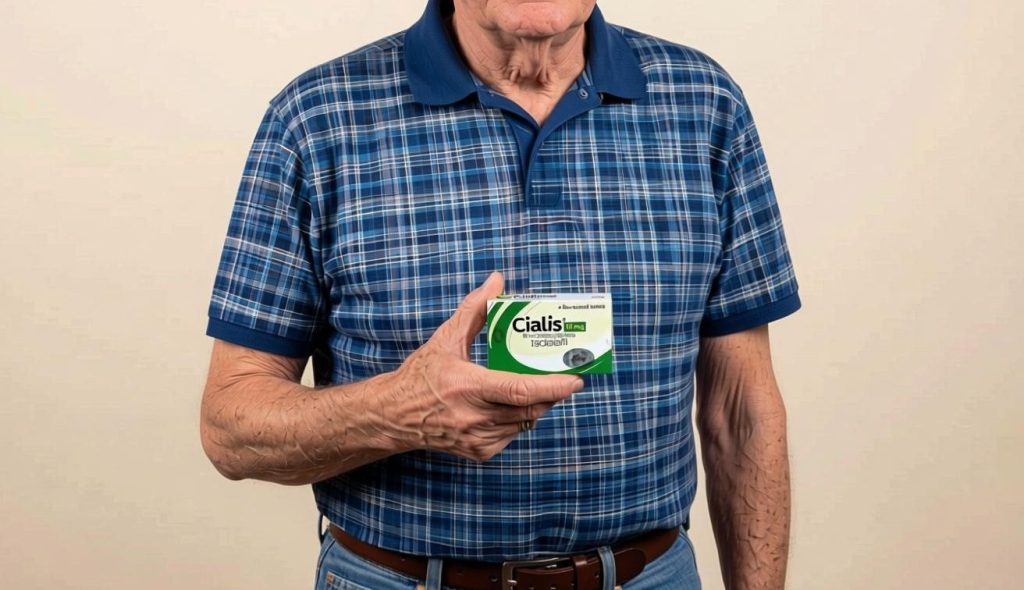
Tadalafil (Cialis): The Weekend Option
Tadalafil boasts a longer duration of action (up to 36 hours), earning it the nickname “the weekend pill.” This extended duration allows for more spontaneity. Side effects are similar to sildenafil but may be slightly less frequent.
Vardenafil (Levitra): A Reliable Choice
Vardenafil has a similar mechanism to sildenafil and tadalafil, with a duration of action typically around 4-6 hours. It may be particularly effective for men with diabetes or those taking certain medications that can interfere with PDE5 inhibitor efficacy.
Avanafil (Stendra): The Rapid-Acting Option
Avanafil is known for its rapid onset of action (often within 15-30 minutes) and shorter duration (around 2-4 hours). It may be a good option for men who want a quicker response.
Other Medications & Treatments
While PDE5 inhibitors are the mainstay of treatment, other options exist, though they are less frequently prescribed or have more limited efficacy:
Alprostadil (Prostaglandin E1): A Topical Solution
Alprostadil is a prostaglandin that directly relaxes smooth muscle, increasing blood flow to the penis. It’s available as a topical cream, suppository, or injectable medication. It’s particularly useful for men who don’t respond well to PDE5 inhibitors or have certain medical conditions that preclude their use.
Testosterone Replacement Therapy (TRT): For Hormonal Deficiency
If ED is related to low testosterone levels, TRT may be beneficial. However, it’s crucial to have testosterone levels properly assessed before initiating TRT, as it carries potential risks and side effects.
Important Considerations and Contraindications
It’s critical to understand that ED medications are not without potential risks and contraindications. A thorough medical evaluation is essential before initiating any treatment.
- Cardiovascular Issues: PDE5 inhibitors can interact with nitrates (medications used for chest pain), causing a dangerous drop in blood pressure. They should be avoided by men with uncontrolled hypertension or those taking nitrates.
- Eye Conditions: PDE5 inhibitors can affect vision in rare cases. Men with certain eye conditions, such as non-arteritic anterior ischemic optic neuropathy (NAION), should use caution.
- Liver or Kidney Disease: Dosage adjustments may be necessary in men with impaired liver or kidney function.
- Drug Interactions: PDE5 inhibitors can interact with other medications, including certain antidepressants and antifungal drugs.
- Prostate Cancer Treatment: Some treatments for prostate cancer can impact erectile function, and certain medications may require adjustments.
Beyond Medication: A Holistic Approach to Sexual Health
While medications can effectively treat ED, they often address the symptoms rather than the underlying causes. A holistic approach that incorporates lifestyle modifications and addresses psychological factors is crucial for long-term sexual health.
- Lifestyle Modifications: Regular exercise (particularly cardiovascular exercise), maintaining a healthy weight, quitting smoking, limiting alcohol consumption, and managing stress are fundamental.
- Pelvic Floor Exercises (Kegels): Strengthening the pelvic floor muscles can improve erectile function and ejaculatory control.
- Psychotherapy/Counseling: Addressing psychological factors like anxiety, depression, or relationship problems can significantly improve ED.
- Dietary Changes: A diet rich in fruits, vegetables, whole grains, and lean protein supports overall health and vascular function.
- Relationship Therapy: Open communication and addressing relationship issues can play a significant role in resolving ED.
Emerging Therapies and Future Directions
Research into new treatments for ED is ongoing. Several promising therapies are currently under investigation:
- Stem Cell Therapy: Early research suggests that stem cell injections may regenerate damaged penile tissue and improve erectile function, but more studies are needed.
- Gene Therapy: This approach aims to correct genetic defects that contribute to ED, but it’s still in the experimental stages.
- Novel PDE5 Inhibitors: Pharmaceutical companies are developing new PDE5 inhibitors with improved efficacy, selectivity, and duration of action.
Patient Perspectives & Shared Experiences
It’s important to acknowledge the psychological toll ED can take on men and their partners. Many men experience feelings of shame, embarrassment, and decreased self-esteem. Open communication with a healthcare provider and support from a partner can be incredibly valuable.
“I felt like a failure. It impacted my confidence and my relationship. Talking to my doctor and finding a medication that worked made a huge difference.” – John, 52
“It’s not just about the man. It affects the relationship as a whole. Communication and understanding are key.” – Sarah, 48 (Partner of John)
Frequently Asked Questions (FAQs)
Q: How long does it take for ED medication to work?
A: This varies depending on the medication. Sildenafil typically takes 30-60 minutes, tadalafil can work within 15-30 minutes, vardenafil around 30-60 minutes, and avanafil within 15-30 minutes.
Q: How often can I take ED medication?
A: This depends on the medication and your doctor’s instructions. Generally, PDE5 inhibitors are taken as needed, typically 30-60 minutes before sexual activity.
Q: What if the medication doesn’t work?
A: It’s important to discuss this with your doctor. They may recommend trying a different medication, adjusting the dosage, or exploring alternative treatment options.
Conclusion: Empowering Men to Take Control of Their Sexual Health
Erectile dysfunction is a common and treatable condition. While medications can provide effective relief, it’s essential to adopt a holistic approach that addresses underlying medical conditions, psychological factors, and lifestyle choices.
Open communication with your healthcare provider is paramount for developing a personalized treatment plan that restores confidence and improves overall quality of life. Remember, you are not alone, and help is available.