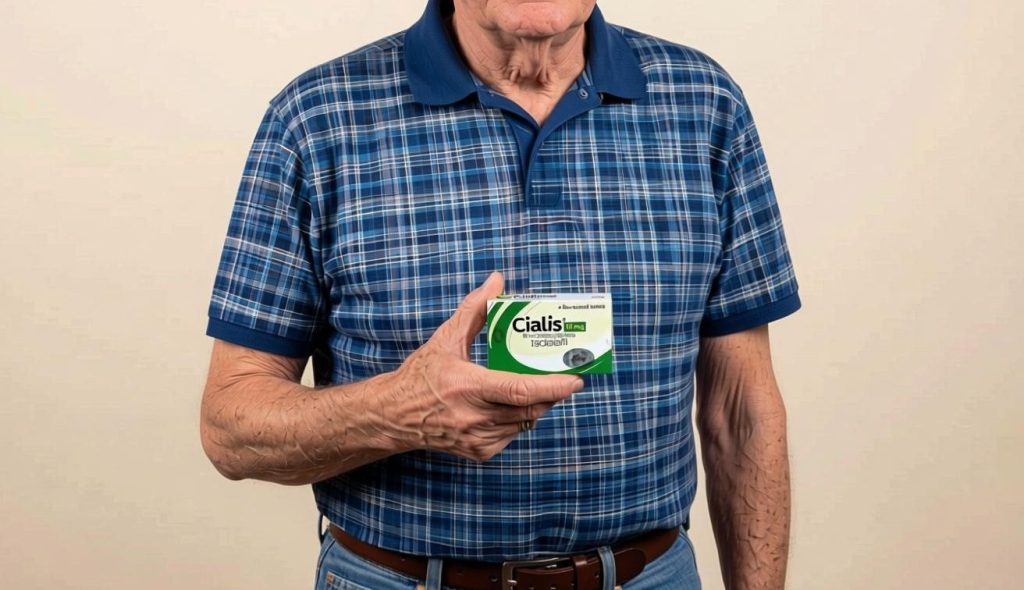
For many men, vitality is synonymous with strength, confidence, and a full, active life. Yet, as men age, or even experience the pressures of modern life, maintaining that vitality can feel increasingly challenging. Two interconnected pillars often overlooked, yet crucially important, are blood pressure control and sexual health.
These aren’t separate issues; they are frequently intertwined, influenced by shared risk factors and physiological mechanisms. Ignoring one can negatively impact the other. This article delves into the complexities of this relationship, exploring the science, offering practical advice, and providing perspectives from medical professionals, lifestyle coaches, and men themselves.
Understanding the Connection: Physiology & Shared Risk Factors
Historically, men’s health has often been compartmentalized, with cardiovascular health and sexual function treated as distinct entities. However, a deeper understanding of physiology reveals a far more nuanced picture.
The vascular system is central to both. Blood pressure, a measure of the force of blood against artery walls, directly impacts the delivery of oxygen and nutrients to tissues throughout the body, including those involved in sexual function. Nitric oxide (NO) plays a critical role in both processes.
NO is a vasodilator – it relaxes blood vessels, allowing for increased blood flow. Healthy blood pressure requires efficient NO production and function. Erectile function, specifically, is heavily reliant on adequate blood flow to the penis. Impaired blood pressure, often due to hypertension (high blood pressure), reduces NO’s effectiveness, hindering erectile function.
Dr. Anya Sharma, a cardiologist specializing in men’s health, explains, “We often see a direct correlation. A patient presenting with uncontrolled hypertension is highly likely to also experience some degree of erectile dysfunction. It’s not always a direct causal relationship, but the underlying vascular damage is a common thread.”
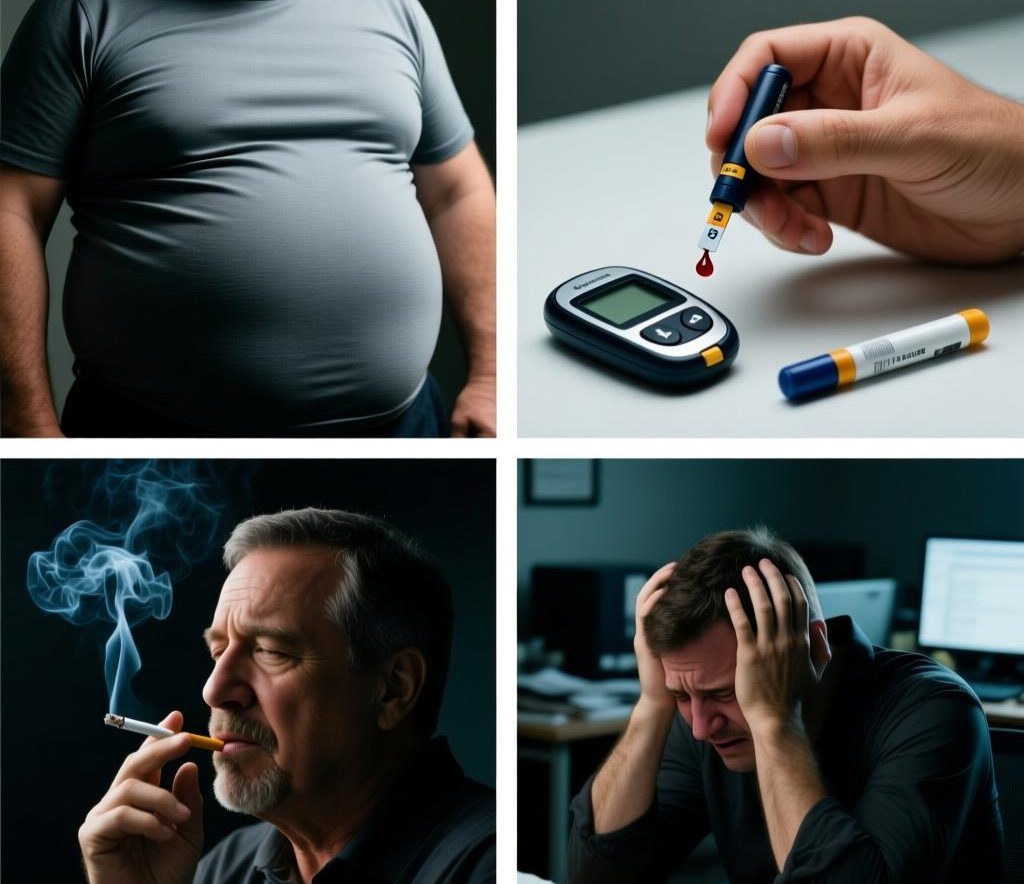
Beyond vascular health, shared risk factors exacerbate both issues. These include:
- Obesity: Excess weight contributes to hypertension and disrupts hormone balance, negatively affecting libido and erectile function.
- Diabetes: Elevated blood sugar damages blood vessels and nerves, impairing both blood pressure regulation and nerve signaling essential for erections.
- Smoking: Damages blood vessels, impairs NO production, and increases the risk of both hypertension and erectile dysfunction.
- Lack of Physical Activity: Sedentary lifestyles contribute to obesity, hypertension, and reduced overall health.
- Stress and Anxiety: Chronic stress raises blood pressure and can significantly impact libido and sexual performance.
- Poor Diet: Diets high in saturated fat, sodium, and sugar contribute to hypertension and other metabolic problems.
The Impact of Hypertension on Sexual Health
The effects of hypertension on sexual health are multifaceted. While some men may not notice immediate changes, chronic uncontrolled hypertension often leads to progressive decline in function.
Erectile Dysfunction (ED): As mentioned, impaired blood flow is a primary contributor to ED. Hypertension medications, particularly diuretics and beta-blockers, can also exacerbate the issue, although effective alternatives exist.
Reduced Libido: Hypertension can impact testosterone levels, a hormone crucial for libido and overall sexual health. Some blood pressure medications can also indirectly influence testosterone production.
Impaired Sexual Performance: Beyond erections, hypertension can impact overall stamina and responsiveness during sexual activity.
Psychological Impact: The inability to achieve or maintain an erection can lead to anxiety, depression, and relationship problems, further compounding the issue.
“It’s a vicious cycle,” says Mark Reynolds, a licensed sex therapist. “A man experiences ED due to his hypertension, feels ashamed and avoids intimacy, which further strains his relationship and increases his anxiety, potentially worsening his condition. Addressing the underlying hypertension is key, but so is addressing the psychological impact.”
Blood Pressure Control: A Holistic Approach
Managing blood pressure effectively requires a multifaceted approach, combining lifestyle modifications with, when necessary, medication.
Lifestyle Modifications:
- Dietary Changes: The DASH (Dietary Approaches to Stop Hypertension) diet is highly recommended. It emphasizes fruits, vegetables, whole grains, lean protein, and low-fat dairy while limiting sodium, saturated fat, and added sugars.
- Regular Exercise: Aim for at least 150 minutes of moderate-intensity aerobic exercise or 75 minutes of vigorous-intensity aerobic exercise per week, along with strength training exercises at least twice a week.
- Weight Management: Even a modest weight loss (5-10% of body weight) can significantly lower blood pressure.
- Stress Reduction: Incorporate stress-reducing activities into your routine, such as meditation, yoga, deep breathing exercises, or spending time in nature.
- Limit Alcohol Consumption: If you drink alcohol, do so in moderation (up to two drinks per day for men).
- Quit Smoking: Smoking cessation is one of the most impactful changes you can make for overall health, including blood pressure control.
Medications: When lifestyle modifications are insufficient, medication may be necessary. Several classes of medications are available, each working through different mechanisms to lower blood pressure. It’s crucial to work closely with a physician to determine the most appropriate medication and dosage.
Beyond Medication: Alternative & Complementary Therapies
While medication can be essential, some men explore complementary and alternative therapies alongside conventional treatments. It’s crucial to discuss these with your doctor before trying them, as they may interact with medications or have potential side effects.
- Coenzyme Q10 (CoQ10): Some studies suggest CoQ10 supplementation may help lower blood pressure and improve endothelial function (the lining of blood vessels).
- Garlic: Garlic has been shown to have modest blood pressure-lowering effects.
- Omega-3 Fatty Acids: Found in fatty fish like salmon and flaxseed, omega-3s can improve cardiovascular health.
- Biofeedback: This technique can help men learn to control physiological responses, including heart rate and blood pressure.
Addressing Sexual Health Concerns – A Multi-Pronged Strategy
If hypertension has already impacted sexual health, a combined approach is essential. This involves addressing both the underlying blood pressure issue and the sexual dysfunction itself.
Medication Review: Your physician may be able to adjust your blood pressure medication to minimize sexual side effects or switch you to an alternative.
Lifestyle Modifications (re-emphasized): The same lifestyle changes that benefit blood pressure also support sexual health – exercise, diet, stress reduction, and smoking cessation.
Pelvic Floor Exercises: Strengthening the pelvic floor muscles can improve erectile function and control.
Psychotherapy/Counseling: Addressing psychological factors like anxiety, depression, and relationship issues can significantly improve sexual performance and satisfaction. Sex therapy is a specialized form of psychotherapy that can be particularly helpful.
Medical Treatments for ED: Phosphodiesterase-5 inhibitors (PDE5 inhibitors) like Viagra and Cialis are commonly prescribed to treat ED. However, they are contraindicated in men taking nitrates for heart conditions and require a physician’s prescription.
Men’s Perspectives: Real Stories and Challenges
Hearing from men experiencing these issues firsthand provides valuable insights and underscores the importance of open communication and holistic care.
John, 58: “I ignored the warning signs for years – fatigue, occasional headaches. It wasn’t until I started having trouble with erections that I realized something was seriously wrong. My blood pressure was through the roof. It’s been a wake-up call. I’ve lost weight, started exercising, and I’m more mindful of my diet. It’s been challenging, but I feel like I’m regaining control of my health.”
David, 45: “I was embarrassed to talk to my doctor about my ED. I thought it was just ‘normal’ aging. But it was impacting my relationship and my confidence. My doctor was understanding and helped me address my hypertension and explore treatment options. It’s made a big difference.”
Robert, 62: “The pressure medications seemed to be making things worse. I felt sluggish and my libido was non-existent. It took some trial and error, but my doctor found a combination that works for my blood pressure without completely destroying my sex life. Communication with my doctor was key.”
The Future of Men’s Health: Integrated Care and Preventative Strategies
The future of men’s health lies in integrated care – addressing the interconnectedness of physical and psychological well-being. Preventive strategies are equally important.
Proactive Screening: Regular check-ups, including blood pressure monitoring, cholesterol screening, and prostate exams, are essential for early detection and intervention.
Health Literacy: Educating men about risk factors, preventative measures, and available treatments empowers them to take control of their health.
Breaking Down Stigma: Encouraging men to openly discuss their health concerns, particularly sexual health, is crucial for fostering help-seeking behavior.
Personalized Medicine: Tailoring treatment plans to individual needs and genetic predispositions will become increasingly important.
Telehealth & Remote Monitoring: Advances in technology offer convenient and accessible ways to monitor blood pressure, track progress, and receive support.
Conclusion
Maintaining vitality in men is a complex endeavor requiring a holistic approach. Recognizing the interconnectedness of blood pressure control and sexual health is paramount.
By adopting healthy lifestyle habits, seeking timely medical attention, and addressing psychological factors, men can proactively safeguard their well-being and enjoy a full, active, and satisfying life.
The key is open communication with healthcare providers, a willingness to embrace change, and a commitment to prioritizing overall health and wellness. Don’t wait for a crisis – take charge of your vitality today.