
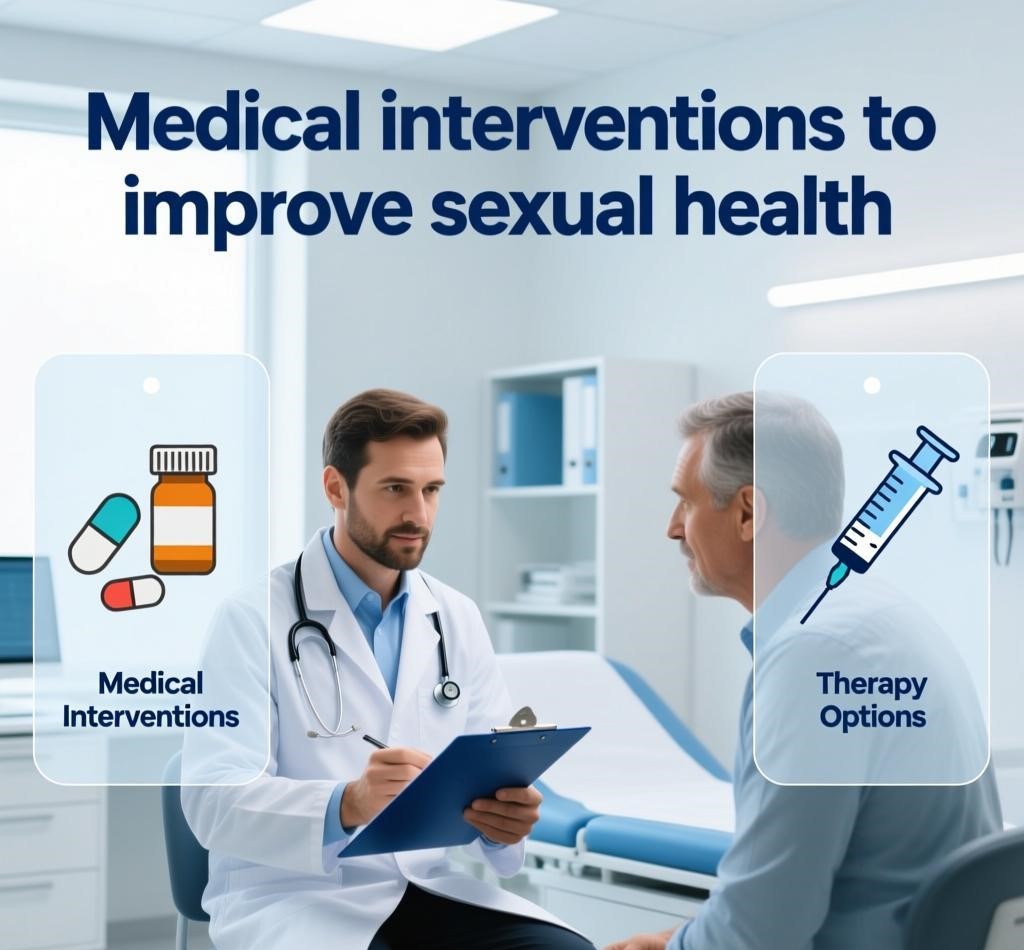
Medical Interventions for Sexual Health Enhancements
Sexual health is a critical component of overall well-being, and advancements in medical science have provided numerous interventions to enhance intimacy and address sexual dysfunction. From pharmacological treatments to surgical options, modern medicine offers a range of solutions tailored to individual needs. This section explores the most common medical interventions, including medications for erectile dysfunction (ED), hormonal therapies, and surgical procedures, while emphasizing the importance of consulting healthcare professionals before initiating any treatment.
One of the most widely recognized medical interventions for sexual health is the use of medications to treat erectile dysfunction. Drugs such as sildenafil (Viagra), tadalafil (Cialis), and vardenafil (Levitra) are phosphodiesterase type 5 (PDE5) inhibitors that work by increasing blood flow to the penis, enabling a firm erection. These medications are typically prescribed for men with ED caused by conditions such as diabetes, cardiovascular disease, or psychological factors. While effective, they require a prescription and should be used under medical supervision to avoid potential side effects, including headaches, flushing, and gastrointestinal discomfort.
For women experiencing sexual dysfunction, such as low libido or arousal disorders, hormonal therapies may play a crucial role. Testosterone therapy, for example, has been shown to improve sexual desire and arousal in postmenopausal women. However, the use of testosterone in women remains a topic of debate due to potential risks, including acne, hair growth, and cardiovascular complications. Similarly, hormone replacement therapy (HRT) for menopause can alleviate symptoms such as vaginal dryness and reduce the risk of osteoporosis, indirectly supporting sexual health.
Surgical interventions are another avenue for addressing sexual health issues. Penile implants, for instance, are a long-term solution for men with severe ED who do not respond to oral medications. These implants, which can be either inflatable or semi-rigid, allow for spontaneous sexual activity and are typically considered when other treatments have failed. Similarly, procedures such as clitoral or labial surgery may be recommended for individuals with congenital abnormalities or trauma-related sexual dysfunction. While these interventions can significantly improve quality of life, they carry inherent risks, including infection, scarring, and the need for revision surgery.
Emerging medical technologies are also reshaping the landscape of sexual health treatments. For example, vacuum erection devices (VEDs) work by creating a vacuum around the penis, drawing blood into the erectile tissues to produce an erection. These devices are non-invasive and can be used as an alternative to pharmaceuticals or surgery. Additionally, low-intensity extracorporeal shock wave therapy (Li-ESWT) is being explored as a potential treatment for ED, with early studies suggesting it may stimulate the growth of new blood vessels in the penis. While these innovations hold promise, they are still in various stages of research and should be approached with caution.
It is essential to recognize that medical interventions are not one-size-fits-all. The effectiveness of a treatment depends on the underlying cause of the sexual dysfunction, the individual’s medical history, and their personal preferences. For instance, while PDE5 inhibitors are highly effective for ED, they may not be suitable for individuals with certain cardiovascular conditions. Similarly, hormonal therapies for women require careful monitoring to minimize side effects. Therefore, a personalized approach, involving thorough medical evaluation and open communication with healthcare providers, is paramount to achieving optimal outcomes.
Psychological and Emotional Approaches to Enhancing Intimacy
Sexual health is deeply intertwined with psychological and emotional well-being, making psychological approaches a vital component of any comprehensive strategy for improving intimacy. Factors such as anxiety, depression, relationship dynamics, and self-esteem can significantly impact sexual function and satisfaction. This section examines the role of therapy, counseling, and emotional support in addressing these psychological barriers, as well as practical techniques to foster a healthier sexual relationship.

Cognitive-behavioral therapy (CBT) is one of the most effective psychological interventions for addressing sexual dysfunction. CBT helps individuals identify and challenge negative thought patterns that may contribute to sexual performance anxiety or avoidance behaviors. For example, a person with ED may develop a cycle of fear that their inability to achieve an erection will lead to rejection, which in turn exacerbates the condition. Through CBT, individuals can learn to reframe these thoughts and develop coping strategies to reduce anxiety during intimate moments.
Sex therapy, a specialized form of counseling, focuses on addressing specific sexual concerns, such as low libido, pain during intercourse, or communication difficulties. Therapists trained in sex therapy often use a combination of education, role-playing, and exercises to help couples or individuals explore their desires, boundaries, and emotional needs. For instance, couples therapy may involve techniques to improve intimacy through non-sexual touch, open dialogue about sexual preferences, and addressing unresolved conflicts that may affect sexual satisfaction.
Emotional intimacy and trust are foundational to a fulfilling sexual relationship. Research has shown that individuals who feel emotionally connected to their partners are more likely to experience sexual satisfaction. However, emotional barriers such as past trauma, jealousy, or unresolved anger can hinder intimacy. Therapy can help individuals process these emotions, build trust, and create a safe space for open communication. For example, couples who engage in therapy to address trust issues may develop stronger emotional bonds, which in turn enhance their sexual connection.
Self-esteem and body image also play a critical role in sexual health. Individuals who struggle with body dissatisfaction or self-criticism may experience performance anxiety or a lack of confidence during intimate encounters. Techniques such as mindfulness, affirmations, and self-compassion exercises can help individuals cultivate a more positive relationship with their bodies. Additionally, engaging in activities that boost self-esteem, such as hobbies, exercise, or creative pursuits, can indirectly improve sexual confidence and satisfaction.
Communication is another key factor in enhancing intimacy. Open and honest conversations about sexual needs, desires, and boundaries can prevent misunderstandings and foster mutual satisfaction. However, many individuals find it challenging to discuss sexual topics due to societal taboos or personal discomfort. Therapy can provide a structured environment to practice these conversations, allowing partners to explore their needs without judgment. For example, a therapist may guide a couple through exercises to identify their sexual preferences, discuss consent, and address any concerns about sexual performance.
In addition to professional therapy, self-help resources such as books, online courses, and support groups can also be valuable tools for improving sexual health. These resources often provide practical advice on building intimacy, managing anxiety, and fostering emotional connection. However, it is important to approach these materials with discernment, as not all information is evidence-based. Consulting with a licensed therapist or counselor ensures that the strategies recommended are tailored to the individual’s unique circumstances.
Lifestyle and Nutritional Factors in Sexual Health Enhancements
While medical and psychological interventions are essential for improving sexual health, lifestyle and nutritional factors also play a significant role. A holistic approach to intimacy must include considerations such as physical activity, diet, sleep, and stress management. These elements influence hormonal balance, energy levels, and overall well-being, all of which can impact sexual function and satisfaction.
Regular physical exercise is one of the most effective ways to enhance sexual health. Exercise improves cardiovascular health, which is crucial for maintaining strong blood flow to the genital areas. For men, this can help prevent or manage erectile dysfunction, while for women, it can increase libido and reduce the risk of sexual pain. Activities such as aerobic exercise, strength training, and yoga have all been linked to improved sexual function. For example, studies have shown that men who engage in regular physical activity are more likely to achieve and maintain erections compared to those who are sedentary.
Diet also plays a critical role in sexual health. A balanced diet rich in nutrients such as zinc, omega-3 fatty acids, and antioxidants can support hormone production and sexual function. Foods like oysters, nuts, leafy greens, and dark chocolate are often highlighted for their potential benefits to libido and sexual performance. Conversely, a diet high in processed foods, sugar, and unhealthy fats may contribute to conditions such as obesity, diabetes, and cardiovascular disease, all of which can negatively affect sexual health. For instance, obesity is associated with a higher risk of erectile dysfunction in men and reduced sexual desire in women.
Hydration is another often-overlooked factor in sexual health. Dehydration can lead to fatigue, reduced energy levels, and impaired sexual function. Ensuring adequate water intake helps maintain optimal bodily functions, including the production of seminal fluid and the regulation of hormones. Additionally, alcohol and caffeine consumption should be moderated, as excessive intake can disrupt sleep patterns, increase anxiety, and impair sexual performance.
Quality sleep is essential for maintaining hormonal balance and sexual health. Sleep deprivation can lead to elevated cortisol levels, which may suppress libido and contribute to sexual dysfunction. For men, poor sleep has been linked to lower testosterone levels, while for women, it can exacerbate symptoms of menopause, such as vaginal dryness and reduced sexual desire. Establishing a consistent sleep routine, avoiding screens before bedtime, and creating a restful sleep environment can significantly improve sexual health.
Stress management is another crucial aspect of enhancing intimacy. Chronic stress can interfere with sexual function by reducing libido, causing performance anxiety, and disrupting hormonal balance. Techniques such as meditation, deep breathing exercises, and mindfulness can help individuals manage stress and improve their overall well-being. For couples, engaging in stress-reducing activities together, such as walking, dancing, or spending time in nature, can strengthen their bond and enhance sexual connection.
Additionally, avoiding harmful substances such as tobacco, excessive alcohol, and recreational drugs is vital for maintaining sexual health. Smoking, for example, damages blood vessels and reduces blood flow, which can contribute to erectile dysfunction. Similarly, excessive alcohol consumption can lower libido and impair sexual performance. Quitting smoking and limiting alcohol intake can have a profound positive impact on sexual health, particularly for individuals with pre-existing conditions such as diabetes or hypertension.
Alternative and Complementary Therapies for Sexual Health
While conventional medical treatments and lifestyle changes are the foundation of sexual health enhancements, many individuals explore alternative and complementary therapies to further support their intimacy. These approaches, which include herbal supplements, acupuncture, and massage therapy, are often used in conjunction with traditional treatments to address both physical and emotional aspects of sexual health. However, it is important to approach these therapies with caution, as their efficacy and safety can vary significantly.
Herbal supplements are a popular alternative for enhancing sexual health, with many individuals turning to natural remedies such as ginseng, ashwagandha, and maca root. Ginseng, for instance, has been studied for its potential to improve erectile function by increasing nitric oxide production, which relaxes blood vessels and enhances blood flow. Ashwagandha, an adaptogenic herb, is believed to reduce stress and anxiety, which can indirectly improve sexual performance. Maca root, native to the Andes, is often marketed as an aphrodisiac that can boost libido in both men and women. However, while some studies suggest these herbs may have beneficial effects, the evidence is often limited, and their long-term safety and interactions with medications remain unclear.
Acupuncture, a practice rooted in traditional Chinese medicine, has gained attention for its potential role in improving sexual health. Research suggests that acupuncture may help alleviate sexual dysfunction by stimulating the release of endorphins and regulating hormone levels. For example, studies have shown that acupuncture can increase testosterone levels in men and improve sexual desire in women. Additionally, acupuncture may be beneficial for individuals experiencing sexual pain, such as vulvodynia or endometriosis, by reducing inflammation and promoting nerve function. However, the mechanisms behind these effects are not fully understood, and more rigorous clinical trials are needed to confirm their efficacy.
Massage therapy is another complementary approach that can enhance sexual health by reducing stress, improving circulation, and fostering intimacy. Swedish massage, for instance, can help relax the body and mind, making individuals more receptive to sexual activity. Couples who engage in regular massage sessions may also experience improved emotional connection and communication, which are essential for a fulfilling sexual relationship. However, it is important to note that massage therapy should be tailored to individual needs and preferences, and individuals with certain medical conditions should consult a healthcare provider before starting any treatment.
Other alternative therapies, such as aromatherapy and vibrational therapy, are also used to enhance intimacy. Aromatherapy involves the use of essential oils to create a relaxing environment that can reduce anxiety and promote sensuality. For example, oils such as lavender and ylang-ylang are often used to enhance mood and encourage intimacy. Vibrational therapy, which involves the use of devices that stimulate the body, can also be incorporated into sexual practices to increase pleasure and sensation. While these therapies may offer benefits for some individuals, their effectiveness can vary, and they should not be used as a substitute for medical treatment when there is a diagnosed condition such as ED or sexual dysfunction.
It is crucial to approach alternative and complementary therapies with a critical mindset. While some individuals may find these approaches helpful, they are not universally effective and may interact with existing medications or health conditions. For example, herbal supplements can interfere with blood thinners or other medications, and some may have side effects such as gastrointestinal discomfort or hormonal imbalances. Therefore, individuals should consult with a healthcare provider before incorporating any alternative therapies into their sexual health regimen to ensure safety and effectiveness.
Ethical and Societal Considerations in Sexual Health Enhancements
As the field of sexual health enhancements continues to evolve, ethical and societal considerations become increasingly important. The use of medications, therapies, and interventions to improve intimacy raises questions about consent, privacy, and the potential for exploitation. Additionally, societal pressures and cultural norms can influence how individuals perceive and approach sexual health, making it essential to address these factors in a comprehensive guide.
One of the primary ethical concerns in sexual health enhancements is the issue of informed consent. When individuals use medications such as PDE5 inhibitors or undergo procedures like penile implants, they must fully understand the risks, benefits, and potential side effects of these treatments. Informed consent is particularly critical in sexual contexts, where the use of enhancement drugs or devices can impact both partners. For example, a partner may not be aware of the effects of a medication on sexual performance, which could lead to misunderstandings or dissatisfaction. Healthcare providers have a responsibility to ensure that patients are well-informed and that their decisions are made without coercion or undue influence.
Privacy and confidentiality are also central to ethical sexual health practices. Individuals seeking treatment for sexual dysfunction may be hesitant to discuss their concerns due to stigma, cultural taboos, or fear of judgment. Healthcare providers must create a safe and non-judgmental environment where patients feel comfortable sharing their experiences. Additionally, the use of digital health platforms or telemedicine for sexual health consultations raises concerns about data security and the potential for breaches of confidentiality. Ensuring that patient information is protected and that digital tools are used ethically is essential to maintaining trust in the healthcare system.
Societal pressures and cultural norms can significantly influence how individuals approach sexual health enhancements. In many cultures, there is a stigma surrounding sexual dysfunction, leading individuals to seek solutions in private rather than discussing their concerns openly. This can prevent individuals from accessing the care they need, particularly if they are unaware of the available treatments or fear judgment from family, friends, or religious institutions. Addressing these cultural barriers requires education, awareness campaigns, and the promotion of open dialogue about sexual health. For example, public health initiatives that normalize discussions about sexual health can encourage individuals to seek professional help without shame.
Another ethical consideration is the potential for exploitation in the sexual health enhancement industry. The market for sexual enhancement products, from pharmaceuticals to supplements and devices, is vast and often unregulated. Some products may make exaggerated or false claims about their effectiveness, leading consumers to spend money on ineffective or potentially harmful treatments. For instance, certain herbal supplements may contain unlisted ingredients or contaminants that could pose health risks. Individuals must be cautious and prioritize products that have been approved by regulatory agencies such as the FDA or the European Medicines Agency (EMA). Additionally, healthcare providers should be vigilant in advising patients about the risks of unproven treatments and encourage them to rely on evidence-based interventions.
Finally, the ethical implications of sexual health enhancements extend to the broader question of intimacy and authenticity. While treatments can improve sexual function and satisfaction, they should not be used to replace genuine emotional connection or communication between partners. The focus should be on enhancing intimacy rather than relying solely on external interventions. For example, a couple may benefit from a combination of medical treatment and couples therapy to address both physical and emotional aspects of their relationship. Encouraging a balanced approach that prioritizes both physical and emotional well-being is essential to ensuring that sexual health enhancements are used responsibly and ethically.