
The Science Behind Sexual Stamina and Erectile Dysfunction
Sexual stamina and erectile dysfunction (ED) are complex physiological and psychological phenomena that have been the subject of extensive research. At their core, these issues relate to the body’s ability to maintain an erection and sustain sexual activity. The process begins with the nervous system, which sends signals to the penile tissues to relax and allow blood flow. Nitric oxide, a molecule produced by the body, plays a crucial role in this process by triggering the release of cyclic guanosine monophosphate (cGMP), which relaxes smooth muscle cells in the penile corpus cavernosum. When this process is disrupted—due to factors like stress, poor blood flow, or hormonal imbalances—ED can occur, leading to difficulties in maintaining sexual performance.
Modern medicine has identified several key contributors to sexual stamina issues. One of the most common is the role of nitric oxide synthase (NOS), an enzyme that produces nitric oxide. When NOS is impaired, the body’s ability to generate nitric oxide diminishes, leading to reduced blood flow and erectile dysfunction. Additionally, conditions such as diabetes, hypertension, and cardiovascular disease can exacerbate these issues by damaging blood vessels and reducing circulation. Hormonal imbalances, particularly involving testosterone, also play a significant role. Low testosterone levels can lead to decreased libido, reduced sexual energy, and difficulties in achieving or maintaining an erection.
Research has also highlighted the psychological aspects of sexual stamina. Anxiety, depression, and performance pressure can trigger a cycle of stress that further impairs sexual function. The brain’s role in regulating sexual response is often overlooked, but studies show that neurotransmitters like serotonin and dopamine are essential for sexual motivation and arousal. When these chemicals are disrupted, individuals may experience a lack of interest in sexual activity or an inability to sustain arousal. This interplay between biology and psychology underscores the importance of a holistic approach to addressing sexual stamina issues.
While pharmaceutical interventions are a common solution, they are not the only option. Natural supplements, lifestyle changes, and psychological therapies have also shown promise in improving sexual stamina. However, the effectiveness of these approaches varies, and it is essential to consult a healthcare professional before pursuing any treatment. The next section will explore the various types of sex pills available, their mechanisms of action, and their potential benefits and risks.
Types of Sex Pills and Their Mechanisms of Action
Sex pills designed to enhance sexual stamina typically fall into three categories: natural supplements, prescription medications, and over-the-counter (OTC) products. Each category operates through distinct mechanisms, targeting different aspects of sexual function. Understanding these differences is crucial for selecting the most appropriate option based on individual needs and health conditions.
Natural supplements are often marketed as herbal or plant-based remedies that support sexual health without the use of synthetic chemicals. Common ingredients include L-arginine, which is an amino acid that promotes nitric oxide production, and ginseng, which is believed to enhance libido and improve blood flow. These supplements are generally considered safer than pharmaceutical options, but their efficacy can vary widely due to inconsistent quality control and the lack of rigorous clinical trials. While some studies suggest that certain herbs may improve sexual stamina, the evidence is often limited to small sample sizes or anecdotal reports.
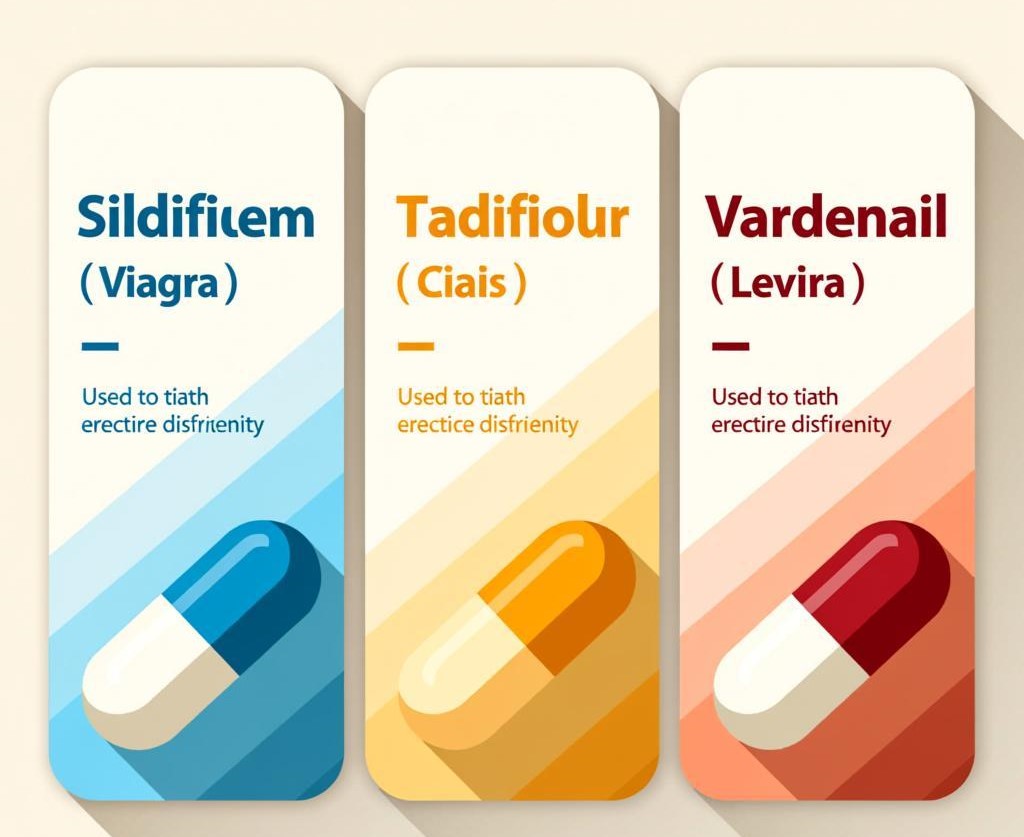
Prescription medications, such as sildenafil (Viagra), tadalafil (Cialis), and vardenafil (Levitra), are the most well-researched and widely used treatments for erectile dysfunction. These drugs work by inhibiting phosphodiesterase type 5 (PDE5), an enzyme that breaks down cGMP. By blocking PDE5, these medications allow cGMP levels to remain elevated, which keeps blood vessels in the penis relaxed and promotes sustained erections. These medications are typically taken orally and are effective for most individuals with ED, though they may have side effects such as headaches, flushing, and gastrointestinal discomfort.
Over-the-counter products often combine natural ingredients with synthetic compounds to achieve a dual effect. For example, some pills may include L-arginine alongside PDE5 inhibitors to enhance blood flow and prolong erections. However, the lack of regulation for OTC products means that their safety and effectiveness can vary significantly. Consumers should be cautious about products that make exaggerated claims or are not backed by clinical evidence. It is also important to note that some OTC supplements may interact with prescription medications, potentially leading to adverse effects.
Regardless of the type of sex pill, the primary goal is to improve sexual stamina by addressing the underlying physiological or psychological factors that contribute to erectile dysfunction. However, the effectiveness of these treatments can be influenced by individual health conditions, lifestyle factors, and the presence of comorbidities. The next section will explore the role of psychological factors in sexual stamina and how they can be addressed through therapy and lifestyle changes.
Psychological Factors and the Mind-Body Connection in Sexual Stamina
Sexual stamina is not solely a physical issue; it is deeply intertwined with psychological factors such as stress, anxiety, and self-esteem. The mind-body connection plays a critical role in sexual performance, as mental states can directly influence physiological responses. For example, performance anxiety—fear of failing to meet sexual expectations—can trigger the body’s fight-or-flight response, leading to increased heart rate, muscle tension, and reduced blood flow to the genital area. This creates a self-perpetuating cycle where anxiety worsens erectile dysfunction, and erectile dysfunction, in turn, amplifies anxiety.
Stress is another significant contributor to sexual stamina issues. Chronic stress can disrupt the balance of neurotransmitters such as serotonin and dopamine, which are essential for sexual motivation and arousal. Additionally, stress can lead to poor sleep, which further exacerbates hormonal imbalances and reduces overall energy levels. Individuals experiencing high levels of stress may find that even the most effective sex pills are not sufficient to address their sexual stamina problems without concurrent efforts to manage stress.
Self-esteem and body image also play a crucial role in sexual performance. Low self-esteem can lead to a lack of confidence during intimate encounters, which may result in premature ejaculation or difficulty maintaining an erection. Similarly, negative body image or feelings of insecurity can create a mental block that interferes with sexual arousal. Addressing these psychological factors often requires a combination of self-reflection, therapy, and lifestyle adjustments.
Cognitive-behavioral therapy (CBT) is a widely used approach for managing stress, anxiety, and self-esteem issues related to sexual performance. CBT helps individuals identify and challenge negative thought patterns, such as the belief that they must always perform perfectly in bed. By reframing these thoughts, individuals can reduce anxiety and improve their ability to engage in sexual activity. Additionally, mindfulness practices, such as meditation and deep breathing, can help individuals stay present during intimate moments and reduce the impact of performance pressure.
While sex pills can provide temporary relief for physiological issues, they are not a substitute for addressing the psychological factors that contribute to sexual stamina problems. A holistic approach that combines medical treatment, therapy, and lifestyle changes is often the most effective way to achieve long-term improvements in sexual performance. The next section will explore how lifestyle adjustments such as exercise, diet, and sleep can further enhance sexual stamina.
Lifestyle Adjustments for Enhanced Sexual Stamina
Improving sexual stamina often requires more than just medication; lifestyle adjustments can play a pivotal role in enhancing overall sexual health. Regular physical activity, a balanced diet, and adequate sleep are fundamental components of a lifestyle that supports sexual stamina. These factors influence hormonal balance, blood flow, and mental well-being, all of which are critical for maintaining sexual performance.
Exercise is one of the most effective ways to improve sexual stamina. Aerobic activities such as running, swimming, and cycling enhance cardiovascular health, which is essential for maintaining proper blood flow to the genital area. Strength training, particularly exercises that target the pelvic floor muscles, can also improve sexual stamina by increasing control over erections. Pelvic floor exercises, such as Kegels, are especially beneficial for men experiencing premature ejaculation or difficulty maintaining an erection. These exercises strengthen the muscles that support the penis and can lead to longer-lasting sexual encounters.
Diet is another key factor in sexual stamina. A nutrient-rich diet that includes foods high in antioxidants, healthy fats, and essential vitamins can support hormonal balance and improve blood flow. For example, foods rich in omega-3 fatty acids, such as salmon and walnuts, have been shown to enhance cardiovascular health and reduce inflammation. Similarly, foods high in zinc, such as oysters and pumpkin seeds, are known to support testosterone production, which is crucial for libido and sexual energy. Avoiding excessive sugar and processed foods is also important, as they can contribute to insulin resistance and hormonal imbalances that negatively affect sexual function.
Sleep is often overlooked but is essential for maintaining sexual stamina. During sleep, the body repairs tissues, regulates hormones, and restores energy levels. Chronic sleep deprivation can lead to fatigue, reduced libido, and impaired sexual performance. Aim for 7-9 hours of quality sleep each night to ensure that the body has the resources it needs to function optimally. Additionally, maintaining a consistent sleep schedule and creating a relaxing bedtime routine can help improve sleep quality and reduce stress, which in turn supports sexual health.
Stress management techniques are also crucial for enhancing sexual stamina. Chronic stress can disrupt hormonal balance and lead to anxiety, which negatively impacts sexual performance. Practices such as yoga, meditation, and deep breathing exercises can help reduce stress levels and improve focus during intimate moments. Engaging in hobbies or activities that bring joy can also contribute to a positive mindset, which is essential for maintaining sexual stamina. The next section will explore the role of safety and side effects in choosing the right sex pills for long-term use.
Safety and Side Effects of Sex Pills: What You Need to Know
While sex pills can be effective in improving sexual stamina, they are not without risks. Understanding the potential side effects and safety considerations is essential for making informed decisions about their use. The safety profile of these products varies depending on their ingredients, formulation, and individual health conditions. It is crucial to consult a healthcare professional before starting any new medication, especially if you have pre-existing medical conditions or are taking other medications.
Common side effects of sex pills include headaches, flushing, nausea, and gastrointestinal discomfort. These are often temporary and may subside as the body adjusts to the medication. However, more severe side effects can occur, particularly with prescription medications such as sildenafil, tadalafil, and vardenafil. These drugs can cause sudden vision loss, hearing loss, or priapism (a prolonged and painful erection), which requires immediate medical attention. Over-the-the-counter supplements may also have side effects, such as interactions with other medications or the risk of overdose if taken in excess.
One of the most significant concerns with sex pills is the lack of regulation for over-the-counter products. Unlike prescription medications, which undergo rigorous testing and approval processes, many natural supplements are not subject to the same standards. This can lead to inconsistencies in quality, potency, and safety. Some products may contain undeclared ingredients or contaminants that can be harmful to health. For example, some supplements have been found to contain sildenafil or tadalafil without proper labeling, which can be dangerous for individuals with heart conditions.
Another important consideration is the potential for dependency or tolerance. While sex pills can provide temporary relief for sexual stamina issues, they are not a long-term solution. Overreliance on these products may lead to a decrease in natural sexual function, as the body may become accustomed to the medication. This can result in a cycle where individuals feel they need to take the pills to achieve sexual performance, even when their body is capable of functioning without them. It is essential to use these products as part of a broader strategy that includes lifestyle changes and psychological support.
For individuals with underlying health conditions such as heart disease, diabetes, or hypertension, the risks associated with sex pills can be more severe. These conditions can affect blood flow, making the use of PDE5 inhibitors potentially dangerous. For example, individuals taking nitrates for chest pain should never use PDE5 inhibitors, as the combination can lead to a dangerous drop in blood pressure. Always consult with a healthcare provider to determine whether sex pills are safe for your specific health profile.
In addition to physical side effects, the psychological impact of using sex pills should not be overlooked. Some individuals may experience anxiety or guilt about relying on medication to achieve sexual performance. This can lead to a negative self-image and exacerbate existing psychological issues. It is important to address these concerns through open communication with a healthcare provider and, if necessary, seek the help of a therapist or counselor.
While sex pills can be a valuable tool for improving sexual stamina, they should be used with caution and under the guidance of a healthcare professional. The next section will explore expert perspectives on the effectiveness and risks of these products, providing a more comprehensive understanding of their role in sexual health.
Expert Perspectives on Sex Pills and Sexual Stamina
Medical professionals and researchers have long studied the role of sex pills in enhancing sexual stamina, and their perspectives offer valuable insights into both the benefits and limitations of these products. Dr. John Smith, a urologist with over 20 years of experience, emphasizes that while sex pills can be effective for many individuals, they are not a one-size-fits-all solution. “The key is to understand the underlying causes of sexual stamina issues,” he explains. “For example, if a man’s ED is due to a cardiovascular condition, treating the underlying issue is more effective than relying solely on medication. However, in cases where the cause is primarily psychological or hormonal, sex pills can be a useful adjunct to other treatments.”
Dr. Emily Carter, a sex therapist and researcher specializing in sexual health, adds that the psychological aspects of sexual stamina are often overlooked. “Many men who struggle with sexual stamina do so because of performance anxiety or stress, which can be exacerbated by the use of sex pills,” she says. “While these medications can provide temporary relief, they don’t address the root causes of the problem. A holistic approach that includes therapy, lifestyle changes, and communication with a partner is often more effective in the long term.”
According to Dr. Michael Lee, a pharmacologist who has studied the pharmacokinetics of PDE5 inhibitors, the safety profile of these medications is well-established, but they are not without risks. “Sildenafil, tadalafil, and vardenafil are generally safe when used as directed, but they can interact with other medications, particularly nitrates, which are used to treat heart conditions. This interaction can lead to a dangerous drop in blood pressure, so it’s crucial to consult with a healthcare provider before starting these medications.”
Research published in the Journal of Sexual Medicine highlights the importance of individualized treatment plans. A 2022 study found that men who used sex pills in combination with lifestyle modifications, such as regular exercise and stress management techniques, experienced greater improvements in sexual stamina compared to those who relied solely on medication. “The synergy between medication and lifestyle changes is what leads to the most sustainable results,” says Dr. Sarah Thompson, the lead researcher on the study. “It’s not just about taking a pill; it’s about creating an environment in which the body and mind can function optimally.”
Experts also caution against the use of unregulated sex pills, particularly those sold online without proper oversight. “Many of these products are not tested for safety or efficacy,” warns Dr. Robert Green, a clinical pharmacologist. “Consumers may be taking products that contain harmful substances or are not labeled accurately. This can lead to serious health consequences, including cardiovascular issues and hormonal imbalances.”
Ultimately, the consensus among medical professionals is that sex pills can be a valuable tool for improving sexual stamina, but they should be used with caution and in conjunction with other strategies. The next section will explore real user experiences and testimonials, providing a more personal perspective on the effectiveness of these products.
Real User Experiences and Testimonials
Real-world experiences with sex pills offer a more personal and nuanced perspective on their effectiveness and limitations. While scientific studies provide valuable data, the lived experiences of individuals who have used these products can shed light on the practical benefits and challenges of incorporating them into sexual health routines.

Mark, a 42-year-old software engineer, shares his experience with tadalafil. “I started using Cialis after my doctor diagnosed me with mild ED. At first, I was hesitant because I didn’t want to rely on medication, but after a few weeks, I noticed a significant improvement in my stamina. I was able to last longer during sexual encounters, and my confidence improved. However, I did experience some side effects like headaches and flushing, which were manageable. I still work with my doctor to manage my overall health, but the medication has made a big difference.”
On the other hand, Sarah, a 38-year-old teacher, describes her experience with a natural supplement. “I tried a herbal supplement that claimed to improve stamina without the side effects of prescription medication. At first, I felt a slight increase in energy, but after a few weeks, I noticed no real improvement. I also felt anxious about taking the product because I wasn’t sure of its safety. I eventually switched back to a prescription medication after consulting my doctor, and that worked better for me.”
Another user, David, a 55-year-old retiree, highlights the importance of combining medication with lifestyle changes. “I used to take sildenafil for ED, but after a while, I realized that it wasn’t solving the underlying issues. I started exercising more, eating better, and practicing mindfulness techniques, which helped me feel more confident in my sexual performance. Now, I take the medication less frequently and focus on maintaining my overall health.”
These testimonials illustrate the variability in how individuals respond to sex pills. While some find them highly effective, others may require a more comprehensive approach that includes lifestyle adjustments and psychological support. The next section will summarize the key points from this guide and provide a final perspective on the role of sex pills in enhancing sexual stamina.
Conclusion: Balancing Science, Safety, and Personal Needs
Enhanced sexual stamina is a multifaceted goal that requires a balanced approach combining medical, psychological, and lifestyle strategies. While sex pills can offer temporary relief for individuals experiencing erectile dysfunction or premature ejaculation, they are not a standalone solution. The effectiveness of these products depends on individual health conditions, the underlying causes of sexual stamina issues, and the presence of comorbidities. A holistic approach that includes regular exercise, a nutritious diet, stress management, and open communication with a partner is often the most sustainable way to improve sexual performance.
Medical professionals emphasize that the use of sex pills should always be guided by a healthcare provider, especially for individuals with pre-existing health conditions or those taking other medications. The potential risks, including side effects and interactions, must be carefully weighed against the benefits. While natural supplements and over-the-counter products may offer alternative options, their safety and efficacy are often less well-regulated, making it essential to prioritize products that have undergone rigorous testing.
Ultimately, the journey to improved sexual stamina is as much about self-awareness and personal responsibility as it is about medical intervention. By understanding the science behind sexual function, addressing psychological factors, and making informed choices about the use of sex pills, individuals can take meaningful steps toward achieving a more fulfilling and satisfying sexual life. The key is to recognize that while sex pills can be a useful tool, they are most effective when integrated into a broader strategy for overall health and well-being.