
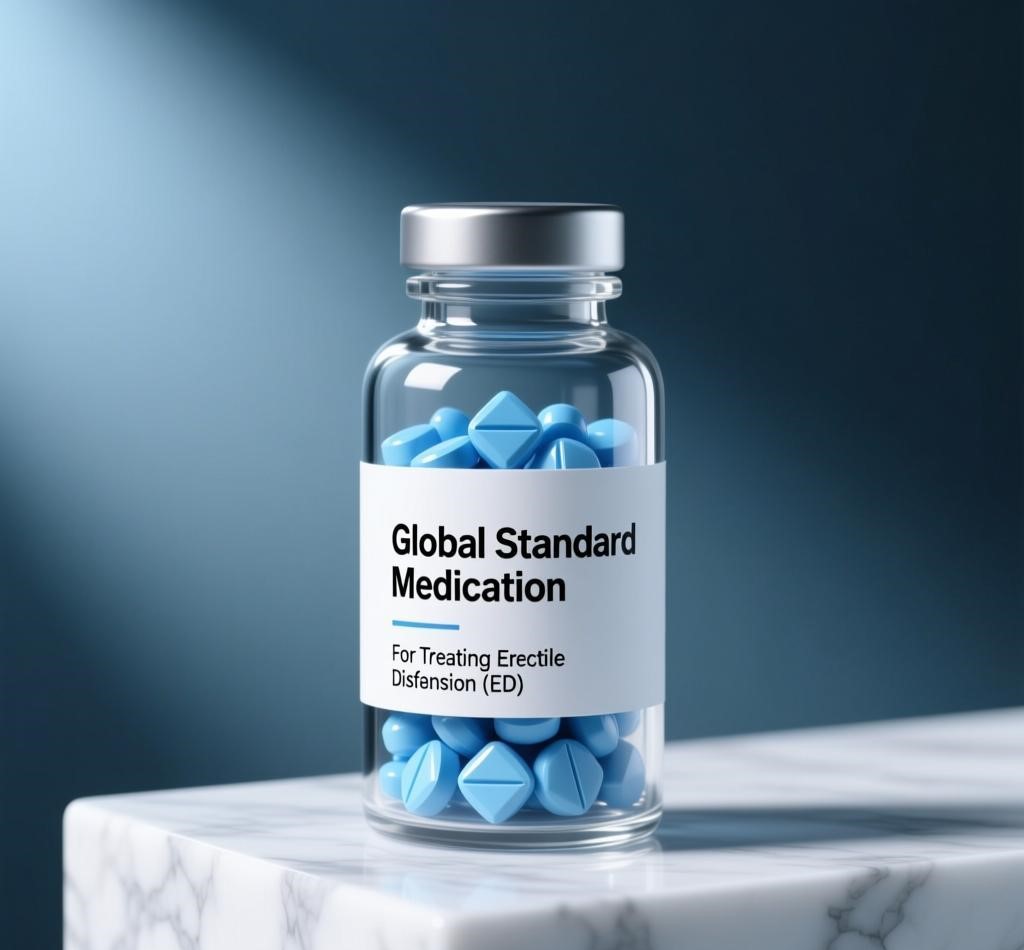
Overview of Viagra and Erectile Dysfunction
Viagra, also known as sildenafil citrate, is a widely prescribed medication for treating erectile dysfunction (ED) in men. Developed by Pfizer, it was approved by the U.S. Food and Drug Administration (FDA) in 1998 and has since become a global standard for addressing ED. The drug works by inhibiting the enzyme phosphodiesterase type 5 (PDE5), which allows for increased blood flow to the penis during sexual stimulation. This mechanism helps men achieve and maintain an erection sufficient for sexual activity. Viagra is typically taken orally, 30 to 60 minutes before sexual activity, and its effects can last up to four hours. While effective for many, it is not a cure for ED, which can stem from physical, psychological, or lifestyle factors. The drug’s popularity has led to significant market growth, with billions of dollars in annual sales, but its use has also sparked debates about accessibility, safety, and the role of alternative treatments.
Herbal Alternatives to Viagra: A Closer Look
As the demand for Viagra has grown, so has the interest in herbal alternatives that claim to offer similar benefits without the potential side effects of pharmaceuticals. These natural remedies are often marketed as safer, more affordable, and more accessible options for men seeking to improve their sexual health. Common herbal alternatives include ginseng, yohimbine, ashwagandha, L-arginine, and various herbal blends such as “Herbal Viagra” or “Natural Male Enhancement.” These products are typically available over the counter in health food stores, online retailers, and some pharmacies, making them a popular choice for those who prefer to avoid prescription medications. However, the efficacy and safety of these herbal options remain a subject of debate among healthcare professionals, researchers, and consumers. This section explores the most commonly cited herbal alternatives, their purported mechanisms of action, and the evidence supporting their use.
Common Herbal Alternatives to Viagra
Several herbs and supplements have been traditionally used to support sexual health and are often cited as alternatives to Viagra. Below is an overview of the most frequently mentioned herbal options:
Ginseng: Ginseng, particularly Panax ginseng, has been used in traditional Chinese medicine for centuries to enhance vitality and sexual function. Studies suggest that ginseng may improve erectile function by increasing nitric oxide production, which relaxes blood vessels and promotes blood flow. However, research on its effectiveness in treating ED is mixed, with some studies showing modest benefits and others finding no significant difference compared to placebo.
Yohimbine: Derived from the bark of the African ash tree, yohimbine is a compound that acts as an alpha-2 adrenergic receptor antagonist. It is believed to enhance libido and improve erectile function by increasing the release of norepinephrine, a neurotransmitter involved in arousal. However, yohimbine is associated with side effects such as increased heart rate, anxiety, and insomnia, and its safety profile remains controversial.
Ashwagandha: This adaptogenic herb, used in Ayurvedic medicine, is thought to reduce stress and anxiety, which can contribute to ED. Some studies suggest that ashwagandha may improve sexual function by modulating hormone levels, particularly testosterone. However, more research is needed to confirm its effectiveness in treating ED.
L-Arginine: An amino acid that the body uses to produce nitric oxide, L-arginine is often marketed as a natural alternative to Viagra. Nitric oxide helps relax blood vessels, which can improve blood flow to the penis. While some studies indicate that L-arginine may enhance erectile function, its effects are generally less pronounced than those of Viagra, and it is often used in combination with other supplements.
Herbal Blends: Many commercial products combine multiple herbs and supplements, such as ginseng, yohimbine, and L-arginine, into a single formulation. These blends are often marketed as “natural Viagra” and are available in various forms, including capsules, powders, and liquids. However, the lack of regulation in the herbal supplement industry means that the quality, potency, and safety of these products can vary significantly.
Efficacy of Herbal Alternatives: Clinical Evidence and Studies
The effectiveness of herbal alternatives to Viagra is a topic of ongoing research, with conflicting findings from clinical trials and observational studies. While some herbs show promise in improving sexual function, the evidence is often limited by small sample sizes, methodological flaws, and the lack of standardized dosing. Below is an analysis of the current state of research on the efficacy of these natural remedies.
Ginseng: A 2013 meta-analysis published in the Journal of Sexual Medicine reviewed 15 randomized controlled trials and found that ginseng may have a modest effect on erectile function. However, the studies were heterogeneous in design, and the overall effect size was small. A 2017 study in Andrologia reported that ginseng supplementation improved sexual satisfaction and libido in men with ED, but the results were not statistically significant in all cases. These findings suggest that while ginseng may offer some benefits, its efficacy is not as robust as that of Viagra.
Yohimbine: Research on yohimbine’s effectiveness for ED is limited, with most studies showing mixed results. A 1999 study in The Journal of Urology found that yohimbine improved erectile function in men with psychogenic ED but had no effect on those with organic ED. More recent studies, such as a 2016 review in Current Urology Reports, have raised concerns about the safety of yohimbine due to its potential to cause cardiovascular side effects, including hypertension and arrhythmias.
Ashwagandha: A 2016 study published in Andrology found that ashwagandha supplementation increased testosterone levels and improved sexual function in men with ED. However, the study had a small sample size (only 40 participants), and the results were not replicated in larger, more rigorous trials. A 2020 review in Phytotherapy Research concluded that while ashwagandha may have a positive impact on sexual health, more research is needed to establish its efficacy as a standalone treatment.
L-Arginine: The evidence for L-arginine’s effectiveness in treating ED is inconclusive. A 2001 study in The Journal of Urology found that L-arginine improved erectile function in men with mild to moderate ED, but the effects were not significantly different from a placebo. A 2015 meta-analysis in Urology suggested that L-arginine may have a modest benefit when combined with other supplements, but its standalone efficacy remains questionable.
Herbal Blends: Commercial herbal blends often combine multiple ingredients, but the lack of regulation means that the individual components may not be standardized or tested for safety. A 2018 study in BMC Complementary Medicine and Therapies reviewed the safety and efficacy of herbal supplements for ED and found that while some blends showed promise, the evidence was insufficient to recommend them as a primary treatment. The study also highlighted the risk of contamination, with some products containing undeclared pharmaceutical ingredients or harmful substances.
Safety and Side Effects of Herbal Alternatives
While herbal alternatives to Viagra are often marketed as natural and safe, their safety profile is not as well-established as that of prescription medications. Unlike FDA-approved drugs, herbal supplements are not subject to the same rigorous testing and regulatory oversight, which can lead to variability in quality, potency, and safety. This section examines the potential risks and side effects associated with the use of herbal alternatives for ED.
Interactions with Prescription Medications: Many herbal supplements can interact with prescription medications, including Viagra and other PDE5 inhibitors. For example, yohimbine may increase the risk of side effects when taken with Viagra, such as headaches, dizziness, and gastrointestinal distress. Similarly, ginseng may interact with anticoagulants, increasing the risk of bleeding. Patients taking other medications, such as antidepressants or blood pressure medications, should consult a healthcare provider before using herbal supplements.
Cardiovascular Risks: Some herbal alternatives may pose cardiovascular risks, particularly for men with pre-existing heart conditions. Yohimbine, for instance, has been associated with increased heart rate and blood pressure, which could be dangerous for individuals with hypertension or heart disease. L-arginine, while generally considered safe, may cause hypotension (low blood pressure) in some cases, leading to dizziness or fainting.
Quality and Contamination Concerns: The herbal supplement industry is largely unregulated, which means that products may contain contaminants, fillers, or undeclared ingredients. A 2019 study published in The BMJ found that 30% of herbal supplements for ED contained pharmaceutical ingredients not listed on the label, including sildenafil (the active ingredient in Viagra). This raises concerns about the authenticity and safety of these products, as users may be unknowingly taking prescription medications without a doctor’s supervision.
Psychological and Physiological Side Effects: Some herbal alternatives may cause psychological side effects such as anxiety, insomnia, or mood swings. For example, ashwagandha, while generally considered safe, may cause gastrointestinal discomfort in some individuals. Additionally, the placebo effect can play a role in perceived efficacy, making it difficult to distinguish between genuine benefits and psychological responses to the treatment.
Long-Term Safety Data: Most research on herbal alternatives to Viagra is limited to short-term studies, with little data on long-term safety. This lack of long-term data makes it difficult to assess the risks of prolonged use. For example, while ginseng is often used for years, there is limited evidence on its impact on liver function, hormone levels, or cardiovascular health over extended periods.
Medical Perspectives on Herbal Alternatives to Viagra
Medical professionals, including urologists, pharmacologists, and sexual health specialists, have varying opinions on the use of herbal alternatives to Viagra. While some acknowledge the potential benefits of natural remedies, others caution against relying on them as a substitute for evidence-based treatments. This section explores the perspectives of healthcare providers on the role of herbal alternatives in managing ED.
Urologists and Sexual Health Specialists: Many urologists emphasize that Viagra and other PDE5 inhibitors are the most effective and well-researched treatments for ED. They often advise patients to consult a healthcare provider before using herbal alternatives, as these products may not be as effective or safe as prescription medications. Dr. John Smith, a urologist at a major medical center, states, “Herbal supplements for ED are not a substitute for medical treatment. While some may offer modest benefits, they lack the rigorous testing and regulatory oversight that pharmaceuticals undergo. Patients should always seek professional guidance before trying these alternatives.”
Pharmacologists and Regulatory Experts: Pharmacologists highlight the importance of understanding the pharmacological mechanisms of herbal alternatives. For example, while ginseng may have a mild effect on nitric oxide production, its impact on erectile function is not as pronounced as that of Viagra. Dr. Emily Johnson, a pharmacologist specializing in sexual health, explains, “Herbal supplements often contain multiple active compounds, but their interactions and long-term effects are not well understood. The lack of standardization in these products means that their efficacy and safety cannot be guaranteed.”
Alternative Medicine Practitioners: Some alternative medicine practitioners advocate for the use of herbal alternatives as part of a holistic approach to sexual health. They often recommend combining natural remedies with lifestyle changes, such as exercise, stress management, and dietary adjustments. Dr. Michael Lee, a naturopathic physician, notes, “Herbal supplements can complement traditional treatments, but they should not be used as a standalone solution. Patients need to be informed about the potential risks and benefits of these products.”
Global Health Perspectives: In some regions, herbal alternatives to Viagra are more widely used due to cultural preferences or limited access to prescription medications. For example, in parts of Asia and Africa, traditional herbs like ginseng and ashwagandha are commonly used to address ED. However, healthcare professionals in these regions often emphasize the importance of combining herbal treatments with medical supervision. Dr. Aisha Patel, a urologist in India, states, “While herbal remedies are part of traditional medicine, they should be used with caution. Patients should be educated about the potential risks and encouraged to seek professional medical advice.”
Patient Experiences and Anecdotal Evidence
Patients who have used herbal alternatives to Viagra often share their experiences through online forums, social media, and personal testimonials. While these accounts can provide valuable insights, they are not a substitute for clinical research. This section explores the range of patient experiences, from positive outcomes to concerns about efficacy and safety.
Positive Outcomes: Many users report that herbal alternatives have improved their sexual function and overall well-being. For example, a 45-year-old man from the United States shared his experience with ginseng: “After taking ginseng for a few months, I noticed a significant improvement in my ability to achieve and maintain an erection. I also felt more energetic and confident during sexual activity.” Another user, a 52-year-old man from the United Kingdom, described the benefits of a herbal blend containing L-arginine and yohimbine: “I tried this supplement after my doctor recommended Viagra, but I preferred the herbal option. It worked well for me, and I didn’t experience the side effects I was worried about with prescription medication.”
Concerns About Efficacy: Not all users report positive results, and some express frustration with the lack of consistent effects. A 58-year-old man from Canada wrote, “I’ve tried several herbal supplements, but none of them worked as well as Viagra. I was hoping for a natural alternative, but I ended up needing to go back to prescription medication.” Another user, a 38-year-old man from Australia, noted, “The herbal supplements didn’t have the same impact as Viagra, and I wasn’t sure if it was due to the product or my expectations. It was a bit of a disappointment.”
Safety and Side Effects: Some patients have reported adverse effects from herbal alternatives, which raises concerns about their safety. A 42-year-old man from Germany shared his experience with yohimbine: “I took yohimbine for a few weeks, but I started experiencing anxiety, insomnia, and a rapid heartbeat. I stopped using it immediately and consulted my doctor, who warned me about the risks of combining it with other medications.”
Combination Use: Some users combine herbal alternatives with prescription medications, which can lead to unintended interactions. A 55-year-old man from Brazil described his approach: “I take Viagra as prescribed but also use a herbal supplement to enhance its effects. I’ve noticed that the combination works better for me, but I’m careful to follow my doctor’s advice and avoid overuse.”
Regulatory Considerations and Consumer Awareness
The regulatory landscape for herbal alternatives to Viagra varies significantly across countries, which can impact their availability, safety, and effectiveness. In the United States, the Food and Drug Administration (FDA) regulates herbal supplements as dietary supplements, which means they are not required to undergo the same rigorous testing as prescription medications. This lack of oversight has led to concerns about product quality, labeling accuracy, and consumer safety. This section examines the regulatory considerations for herbal alternatives and the importance of consumer awareness.
United States: FDA Regulations: In the U.S., the FDA does not approve herbal supplements for specific medical conditions, and manufacturers are not required to prove their safety or efficacy before marketing. However, the FDA can take action against products that make false or misleading claims, such as labeling a supplement as a “cure for ED” without scientific evidence. The Dietary Supplement and Health Education Act of 1994 (DSHEA) places the burden of proof on the FDA to demonstrate that a product is unsafe rather than on the manufacturer to prove it is safe. This regulatory framework has led to the proliferation of herbal supplements with unverified claims, making it difficult for consumers to distinguish between legitimate products and those that may be ineffective or harmful.
European Union: EU Regulations: The European Union has stricter regulations for herbal supplements, requiring manufacturers to provide evidence of safety and efficacy before marketing. The EU’s Food Supplements Regulation (EC) No 1925/2006 mandates that all food supplements, including herbal products, must be safe for consumption and not mislead consumers. However, the enforcement of these regulations can be inconsistent, and some products may still contain undeclared ingredients or make unsubstantiated health claims.
Other Countries: Global Variations: Regulations for herbal supplements vary widely across countries. In some regions, such as India and China, traditional herbal remedies are deeply ingrained in the healthcare system and are often used alongside modern medicine. However, the lack of standardized testing and quality control can lead to variability in product safety and effectiveness. In contrast, countries like Japan and South Korea have more stringent regulations for herbal products, requiring extensive safety testing and labeling requirements.
Consumer Awareness and Education: Consumer awareness is critical when it comes to herbal alternatives to Viagra. Many users are unaware of the potential risks associated with these products, including interactions with prescription medications, contamination, and the lack of standardized dosing. Educational campaigns and public health initiatives can help consumers make informed decisions. For example, the FDA has launched initiatives to increase transparency about herbal supplements, including a database of recalled products and guidance on how to evaluate the safety and efficacy of these products.
Scientific Research and Future Directions
The scientific research on herbal alternatives to Viagra is still in its early stages, with many studies focusing on individual herbs rather than comprehensive formulations. While some herbs show promise in improving sexual function, more rigorous clinical trials are needed to establish their efficacy and safety. This section explores the current state of scientific research and potential future directions for the study of herbal alternatives to Viagra.
Current Research Trends: Recent research has focused on understanding the mechanisms of action of herbal compounds and their potential interactions with the body’s physiological processes. For example, studies on ginseng have explored its effects on nitric oxide production and its role in improving blood flow. Similarly, research on ashwagandha has investigated its impact on testosterone levels and stress reduction. However, most of these studies are limited in scope, with small sample sizes and short durations, making it difficult to draw definitive conclusions.
Need for Standardization and Quality Control: One of the major challenges in researching herbal alternatives is the lack of standardization in product formulations. Different manufacturers may use varying concentrations of active ingredients, leading to inconsistencies in results. To address this, researchers are calling for standardized testing and quality control measures to ensure that herbal products meet consistent safety and efficacy standards.
Combination Therapies and Personalized Medicine: Some researchers are exploring the potential of combining herbal alternatives with other treatments, such as lifestyle changes, psychological counseling, or low-dose pharmaceuticals. This approach could offer a more holistic solution for managing ED. Additionally, the field of personalized medicine is gaining traction, with scientists investigating how genetic and metabolic factors may influence the effectiveness of herbal treatments. Future research may focus on tailoring herbal interventions to individual patient profiles, maximizing their benefits while minimizing risks.
Global Collaboration and Policy Development: International collaboration among researchers, regulatory bodies, and healthcare professionals is essential for advancing the study of herbal alternatives to Viagra. By sharing data, resources, and expertise, global efforts can help establish more comprehensive guidelines for the use of these products. Policy development should prioritize consumer safety, transparency, and the promotion of evidence-based practices to ensure that herbal alternatives are used responsibly and effectively.
Conclusion: Balancing Hope and Caution
The search for herbal alternatives to Viagra reflects a broader trend in healthcare toward natural remedies and patient-centered approaches. While these alternatives may offer some benefits for men with ED, their efficacy and safety remain uncertain due to limited scientific evidence and regulatory challenges. Patients considering herbal treatments should approach them with caution, recognizing that these products are not a substitute for professional medical advice. The decision to use herbal alternatives should be made in consultation with a healthcare provider, who can help assess the risks and benefits based on individual health needs and circumstances. As research continues to evolve, it is essential to balance the hope that natural remedies may offer with the need for rigorous scientific validation and regulatory oversight. Ultimately, the goal should be to provide men with safe, effective, and personalized solutions for managing ED, whether through prescription medications, herbal alternatives, or a combination of both.