
Understanding Erectile Dysfunction (ED) and Its Impact on Sexual Health
Erectile Dysfunction (ED), commonly referred to as impotence, is a condition that affects millions of men worldwide. It is characterized by the persistent inability to achieve or maintain an erection sufficient for satisfactory sexual performance. While occasional difficulties with erections are normal, especially under stress or after certain activities, ED is defined as a pattern of failure that occurs more than 50% of the time. This condition can have profound effects on a man’s self-esteem, relationships, and overall quality of life. The psychological toll of ED is often as significant as its physical manifestations, leading to feelings of frustration, embarrassment, and even depression. Understanding the causes and potential solutions for ED is essential for both men experiencing the condition and their partners, as it can significantly improve intimacy and emotional connection.
ED is not an inevitable part of aging, though it becomes more common as men grow older. Research indicates that approximately 50% of men over the age of 40 experience some degree of ED, and this number increases with age. However, ED can occur at any stage of life, including in younger men. The condition can be caused by a combination of physical, emotional, and lifestyle factors. Physical causes include conditions such as diabetes, cardiovascular disease, hypertension, and obesity, which can damage blood vessels and nerves essential for achieving an erection. Emotional factors such as stress, anxiety, depression, and relationship issues can also contribute to ED. Lifestyle choices, including smoking, excessive alcohol consumption, and lack of physical activity, further exacerbate the risk of developing ED. Recognizing these underlying factors is crucial for developing an effective treatment plan.
The impact of ED extends beyond the physical realm, affecting a man’s mental health and interpersonal relationships. Many men with ED report feelings of inadequacy, which can lead to a loss of confidence and a reluctance to engage in sexual activity. This, in turn, can strain relationships, as partners may feel neglected or unimportant. The cycle of frustration and isolation can worsen the condition, creating a self-perpetuating problem. In some cases, ED may also be a symptom of an underlying health issue, such as heart disease or diabetes, making early diagnosis and treatment critical. Addressing ED not only improves sexual function but also contributes to better overall health outcomes. By understanding the multifaceted nature of ED, individuals can take proactive steps to manage the condition and reclaim their sexual vitality.
Medical Treatments for Erectile Dysfunction: From Oral Medications to Advanced Therapies
Medical interventions for erectile dysfunction (ED) have evolved significantly over the past few decades, offering a range of options tailored to individual needs. The most commonly prescribed treatments include oral medications, injectable therapies, vacuum erection devices (VEDs), and surgical procedures. These approaches vary in effectiveness, convenience, and potential side effects, making it essential for men to consult with healthcare professionals to determine the most suitable solution. While some treatments may be used in combination, others are reserved for specific cases, such as when ED is caused by an underlying medical condition.
Oral medications, particularly phosphodiesterase type 5 (PDE5) inhibitors, are the first-line treatment for most men with ED. Drugs such as sildenafil (Viagra), tadalafil (Cialis), vardenafil (Levitra), and avanafil (Stendra) work by increasing blood flow to the penis, enabling an erection when sexual stimulation is present. These medications are typically taken 30 to 60 minutes before sexual activity and are effective for up to 36 hours, depending on the specific drug. However, they are not a cure for ED and are most effective when used in conjunction with lifestyle modifications and psychological support. Common side effects include headaches, facial flushing, indigestion, and, in rare cases, vision or hearing changes. Men with certain medical conditions, such as heart disease or retinal disorders, should consult their doctor before using PDE5 inhibitors.
For men who do not respond to oral medications or prefer alternative options, injectable therapies provide another effective solution. These treatments involve injecting a medication, such as alprostadil, directly into the penis to stimulate an erection. Alprostadil works by relaxing the smooth muscle in the penile arteries, allowing increased blood flow. The effects of injectable therapy are typically immediate, with an erection lasting 30 to 60 minutes. While this method is highly effective, it requires careful administration to avoid complications such as pain, bruising, or priapism (a prolonged erection that requires medical attention). Men using injectable therapies may also need to use a vacuum erection device (VED) to maintain the erection after injection.
Vacuum erection devices (VEDs) are another non-invasive option for managing ED. These devices consist of a hollow cylinder that is placed over the penis, creating a vacuum that draws blood into the penile tissues. A rubber ring is then placed at the base of the penis to maintain the erection. VEDs are particularly useful for men who cannot take oral medications or prefer a mechanical solution. While they are generally safe and effective, some men may find the process uncomfortable or may experience difficulty achieving a firm erection. VEDs are often used in conjunction with other treatments, such as PDE5 inhibitors, to enhance effectiveness.
In more severe cases of ED, surgical interventions may be considered. Penile implants are a long-term solution for men who have not responded to other treatments. These implants can be either inflatable or semi-rigid and are surgically placed into the penile tissue. Inflatable implants allow for adjustable erections, while semi-rigid implants provide a constant firmness. While penile implants are highly effective, they are a permanent solution that requires surgery and carries risks such as infection, mechanical failure, or the need for additional procedures. These options are typically reserved for men with severe ED or those who have contraindications for other treatments.
Emerging medical technologies are also being explored as potential treatments for ED. For example, low-intensity extracorporeal shockwave therapy (Li-ESWT) has shown promise in improving blood flow to the penis and may be used in conjunction with other treatments. Additionally, stem cell therapy and regenerative medicine are being researched as potential long-term solutions for ED, though these approaches are still in the experimental stage. While these innovations offer hope for the future, they are not yet widely available or approved for routine use. Men considering these advanced treatments should consult with specialists to evaluate their safety and efficacy.
Psychological and Emotional Factors in Erectile Dysfunction: The Mind-Body Connection
While physical causes of erectile dysfunction (ED) are well-documented, the psychological and emotional aspects of the condition are equally significant. Stress, anxiety, depression, and relationship issues can all contribute to or exacerbate ED, creating a complex interplay between mental health and sexual function. The mind-body connection in ED is often overlooked, but addressing these psychological factors is essential for achieving long-term improvement. Understanding how emotional states affect sexual performance can help men and their partners develop more effective strategies for managing the condition.
Stress is one of the most common psychological contributors to ED. Chronic stress, whether from work, financial concerns, or personal responsibilities, can disrupt the body’s ability to achieve an erection. Stress triggers the release of cortisol, a hormone that can interfere with the production of nitric oxide, a key molecule in achieving and maintaining an erection. Additionally, stress can lead to a cycle of performance anxiety, where the fear of failure during sexual activity further impairs sexual function. This creates a self-reinforcing loop that can be difficult to break without targeted intervention.
Anxiety, particularly performance anxiety, is another significant factor in ED. Men experiencing anxiety about their sexual performance may become overly focused on the outcome of sexual activity, leading to a decrease in sexual arousal and difficulty achieving an erection. This type of anxiety is often exacerbated by previous experiences of ED or by societal pressures to meet certain expectations. Cognitive-behavioral therapy (CBT) is a highly effective treatment for performance anxiety, as it helps men reframe negative thought patterns and develop more adaptive coping strategies. Mindfulness techniques and relaxation exercises can also be beneficial in reducing anxiety-related ED.
Depression is another psychological condition that can contribute to ED. The symptoms of depression, such as low energy, lack of motivation, and feelings of hopelessness, can significantly impact sexual desire and performance. Additionally, depression is often associated with other health conditions, such as cardiovascular disease and diabetes, which are themselves risk factors for ED. Treating depression through therapy, medication, or lifestyle changes can have a positive impact on sexual function. However, it is important to address both the depression and the ED simultaneously, as they are often interconnected.
Relationship dynamics also play a critical role in the psychological aspects of ED. Poor communication, unresolved conflicts, or emotional distance between partners can create a hostile or unsupportive environment that hinders sexual intimacy. Men with ED may feel isolated or unappreciated, which can further worsen their condition. Conversely, a supportive and understanding partner can help alleviate the emotional burden of ED and encourage the use of effective treatments. Couples therapy or sex therapy can be valuable tools for addressing relationship issues and improving intimacy. These therapies can help partners develop better communication skills, express their needs, and work together to overcome the challenges of ED.
Psychological factors can also be influenced by cultural and societal expectations. In some cultures, there is a stigma surrounding ED, which can lead to shame, embarrassment, or reluctance to seek help. This stigma can prevent men from discussing their condition openly or from pursuing treatment options. Education and open dialogue about ED are essential for reducing the stigma and encouraging men to seek the support they need. By addressing the psychological and emotional aspects of ED, men can take a more holistic approach to managing the condition and improving their overall quality of life.
Lifestyle Modifications to Improve Erectile Function: Diet, Exercise, and Sleep
While medical treatments and psychological interventions are essential for managing erectile dysfunction (ED), lifestyle modifications can also play a significant role in improving sexual health. A healthy diet, regular physical activity, and quality sleep are foundational elements that support overall well-being and can directly impact erectile function. By making sustainable changes to these areas, men can reduce the risk of ED and enhance their sexual vitality. These lifestyle adjustments are often recommended as part of a comprehensive approach to managing ED, complementing medical treatments and psychological support.
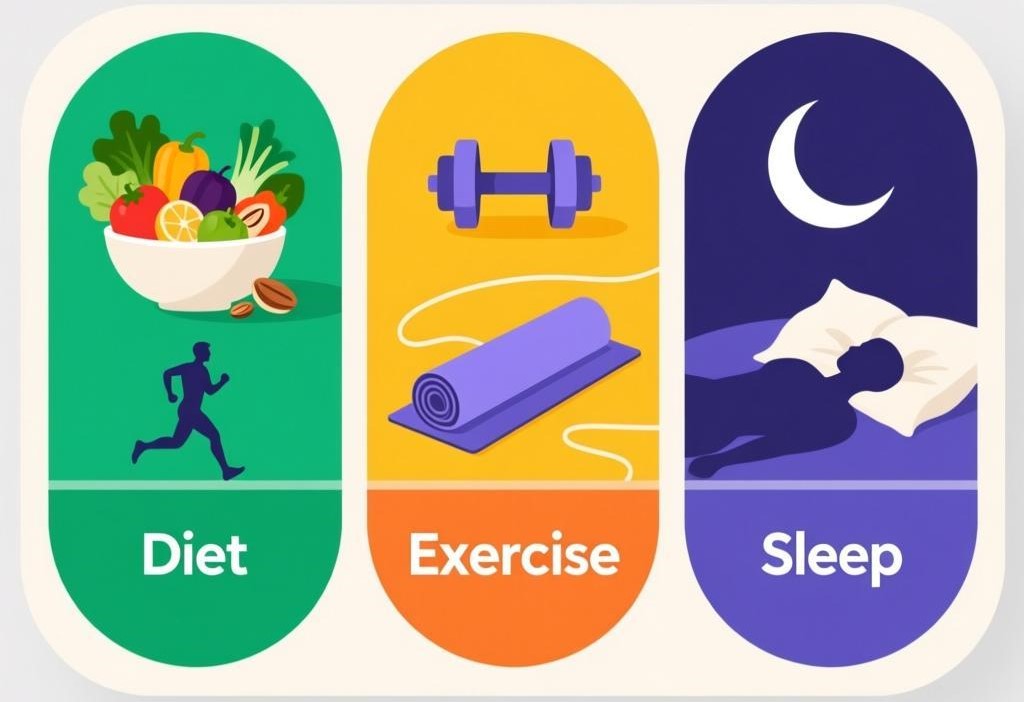
Diet plays a crucial role in maintaining vascular health, which is essential for achieving and maintaining an erection. A diet rich in fruits, vegetables, whole grains, lean proteins, and healthy fats can improve blood flow and reduce the risk of conditions such as hypertension, diabetes, and obesity, which are known contributors to ED. Foods high in antioxidants, such as berries, nuts, and leafy greens, help combat oxidative stress, which can damage blood vessels and impair sexual function. Additionally, certain nutrients like L-arginine, found in foods such as nuts and seeds, can enhance nitric oxide production, a key factor in achieving erections.
On the other hand, poor dietary choices, such as excessive consumption of processed foods, sugary snacks, and alcohol, can worsen ED. Obesity is a significant risk factor for ED, as it is associated with hormonal imbalances, insulin resistance, and vascular damage. Losing weight through a balanced diet and regular exercise can improve erectile function and reduce the risk of other health complications. It is also important to limit the intake of saturated fats and trans fats, which contribute to cardiovascular disease, a major cause of ED. Moderation in alcohol consumption is also recommended, as excessive drinking can lead to impotence and interfere with sexual performance.
Regular physical activity is another key component of lifestyle modification for ED. Exercise improves cardiovascular health, enhances blood flow, and helps maintain a healthy weight, all of which are critical for sexual function. Aerobic exercises such as walking, swimming, and cycling are particularly beneficial, as they strengthen the heart and improve circulation. Strength training can also be helpful, as it increases testosterone levels and reduces body fat, both of which contribute to better sexual health. Additionally, exercise helps reduce stress and anxiety, which are common psychological factors in ED. Even moderate physical activity, such as 30 minutes of exercise most days of the week, can have a positive impact on erectile function.
Quality sleep is another often-overlooked factor in managing ED. Sleep deprivation and poor sleep quality can disrupt hormone levels, particularly testosterone, which is essential for sexual desire and function. Men who experience chronic fatigue or insomnia are more likely to have ED, as sleep plays a vital role in the body’s recovery and regeneration processes. Establishing a regular sleep schedule, creating a restful sleep environment, and avoiding stimulants such as caffeine and electronic devices before bedtime can improve sleep quality and, in turn, sexual health. Additionally, addressing underlying sleep disorders such as sleep apnea, which is linked to ED, can have a significant impact on overall sexual function.
Smoking is another lifestyle factor that can contribute to ED. Nicotine and other harmful chemicals in tobacco smoke damage blood vessels and reduce blood flow, making it more difficult to achieve an erection. Quitting smoking can lead to significant improvements in erectile function, as the body begins to repair damaged blood vessels and restore normal circulation. Support systems such as nicotine replacement therapy, counseling, and support groups can help men successfully quit smoking and improve their sexual health. In addition to quitting smoking, avoiding exposure to secondhand smoke is also important for maintaining optimal vascular health.
By making these lifestyle changes, men can create a foundation for better sexual health and reduce the risk of ED. These modifications are not only beneficial for managing ED but also contribute to overall well-being. However, it is important to note that lifestyle changes alone may not be sufficient for all cases of ED, and a combination of approaches may be necessary for optimal results. Consulting with a healthcare professional can help men determine the most effective strategy for their individual needs.
Alternative and Complementary Therapies for Erectile Dysfunction: Exploring Natural Remedies
While conventional medical treatments such as PDE5 inhibitors and penile implants are widely used for erectile dysfunction (ED), many men are also exploring alternative and complementary therapies. These approaches, which include herbal remedies, dietary supplements, and holistic practices, are often sought for their natural, non-invasive nature. While some of these therapies have shown promise in improving sexual function, it is important to approach them with caution and consult healthcare professionals before incorporating them into a treatment plan. The effectiveness and safety of alternative therapies can vary, and they may interact with other medications or have unintended side effects.
Herbal remedies have been used for centuries to support sexual health, and some are believed to enhance erectile function. One of the most well-known herbs is ginseng, which has been studied for its potential to improve libido and sexual performance. Ginseng is thought to increase nitric oxide production, which helps relax blood vessels and improve blood flow to the penis. Another popular herb is ashwagandha, an adaptogenic herb that may reduce stress and anxiety, both of which are contributing factors to ED. Studies suggest that ashwagandha can also help regulate hormone levels, including testosterone, which is essential for sexual desire and function.
Other herbal supplements that have been explored for ED include Korean red ginseng, maca root, and fenugreek. Korean red ginseng, a type of ginseng, is believed to enhance sexual function and improve mood, while maca root is thought to increase libido and energy levels. Fenugreek, a plant native to South Asia, has been studied for its potential to improve sexual health and reduce the risk of ED. However, the evidence supporting these herbs is often limited, and more research is needed to determine their efficacy and safety. It is important to note that herbal supplements are not regulated in the same way as prescription medications, and their quality and potency can vary widely.
Dietary supplements such as L-arginine, DHEA, and zinc are also sometimes used to support sexual health. L-arginine is an amino acid that plays a role in nitric oxide production, which is essential for achieving an erection. Studies have shown that L-arginine supplementation can improve erectile function in some men, though results may vary. DHEA, a hormone precursor, is thought to increase testosterone levels and improve sexual desire, while zinc is important for maintaining healthy testosterone levels and sperm production. However, the effectiveness of these supplements is not fully established, and they may interact with other medications or have side effects.
In addition to herbal and dietary supplements, holistic practices such as yoga, meditation, and acupuncture are being explored as complementary therapies for ED. Yoga, in particular, has been shown to reduce stress, improve circulation, and enhance sexual function. Certain yoga poses, such as the “cow face” and “bridge” pose, are believed to stimulate blood flow to the pelvic region. Meditation and mindfulness practices can also help reduce anxiety and improve mental well-being, which are important factors in managing ED. Acupuncture, a traditional Chinese medicine practice, has been studied for its potential to improve sexual function by stimulating specific points on the body that are believed to enhance blood flow and reduce stress.
While alternative therapies may offer some benefits for men with ED, they should not be used as a replacement for conventional medical treatments without consulting a healthcare professional. Many of these therapies lack rigorous scientific evidence, and their long-term safety and effectiveness are not well-established. It is also important to be aware of potential interactions between herbal supplements and prescription medications, as some can interfere with the effectiveness of ED treatments or cause adverse effects. Men considering alternative therapies should discuss their options with a qualified healthcare provider to ensure they are safe and appropriate for their individual needs.
Communication and Relationship Dynamics in Managing Erectile Dysfunction
Erectile dysfunction (ED) is not just a personal health issue; it is also a challenge that can significantly impact relationships. Open communication between partners is essential for navigating the emotional and psychological complexities of ED. When a man experiences ED, it can create feelings of frustration, inadequacy, and isolation, which can strain the relationship. Conversely, a supportive and understanding partner can play a crucial role in helping the man manage ED and maintain intimacy. By fostering open dialogue and mutual understanding, couples can work together to overcome the challenges of ED and strengthen their relationship.
One of the most important aspects of communication is addressing the emotional impact of ED. Men may feel embarrassed or ashamed to discuss their condition, especially if they perceive it as a sign of weakness or failure. However, it is important to recognize that ED is a common condition that can be caused by a variety of factors, including physical, psychological, and lifestyle issues. Encouraging open conversations about ED can help reduce the stigma and allow both partners to share their feelings and concerns. This can lead to a more supportive environment where the man feels comfortable seeking help and the partner feels valued and understood.
Partners can also play a role in supporting the man’s efforts to manage ED. This may involve helping him explore treatment options, encouraging lifestyle changes, or providing emotional support during the process. For example, if the man is using medications such as PDE5 inhibitors, the partner can help remind him to take them as prescribed and offer reassurance during moments of frustration. Additionally, partners can engage in activities that promote intimacy beyond sexual activity, such as cuddling, massage, or engaging in shared hobbies. These activities can help maintain a sense of connection and intimacy, even when sexual activity is challenging.
It is also important for partners to be patient and understanding throughout the process. ED can be a temporary or chronic condition, and progress may not be immediate. It is essential to avoid placing pressure on the man to “perform” or to meet unrealistic expectations. Instead, focusing on the quality of the relationship and the emotional connection can help reduce the stress associated with ED. Partners can also seek support from couples therapy or sex therapy, which can provide guidance on improving communication, resolving conflicts, and maintaining intimacy.
Another key aspect of relationship dynamics is the importance of mutual effort in managing ED. Both partners should be willing to work together to address the issue, whether through lifestyle changes, medical treatment, or emotional support. This collaborative approach can help create a sense of shared responsibility and reduce the feeling of isolation that often accompanies ED. By working as a team, couples can develop strategies that are tailored to their specific needs and circumstances, leading to more effective and sustainable solutions.
In some cases, ED may also be a symptom of an underlying relationship issue, such as unresolved conflicts, lack of communication, or emotional distance. Addressing these underlying problems can be just as important as treating the physical symptoms of ED. For example, if the man and his partner are experiencing difficulties in their relationship, resolving these issues through therapy or counseling can improve both their emotional connection and their sexual health. By focusing on the overall health of the relationship, couples can create a more supportive environment that fosters intimacy and reduces the impact of ED.
Conclusion: A Holistic Approach to Managing Erectile Dysfunction
Managing erectile dysfunction (ED) requires a comprehensive and personalized approach that addresses both the physical and psychological aspects of the condition. While medical treatments such as PDE5 inhibitors and penile implants remain the most effective solutions for many men, they are often most successful when combined with lifestyle modifications, psychological support, and open communication with partners. Alternative therapies and complementary approaches can also play a role in improving sexual health, but they should be used with caution and under the guidance of a healthcare professional.
It is important to recognize that ED is a multifaceted condition that can be influenced by a wide range of factors, including physical health, mental well-being, and relationship dynamics. By taking a holistic approach that integrates medical, psychological, and lifestyle interventions, men can achieve better outcomes and improve their overall quality of life. Additionally, fostering open communication and mutual support within a relationship can help reduce the emotional burden of ED and strengthen the connection between partners.
Ultimately, the key to managing ED lies in seeking help and taking proactive steps to address the condition. Whether through medical treatment, lifestyle changes, or emotional support, there are effective solutions available for men experiencing ED. By working with healthcare professionals and making informed decisions about their health, men can reclaim their sexual vitality and enjoy a more fulfilling and satisfying life. With the right approach, ED can be effectively managed, allowing individuals to maintain their confidence, intimacy, and overall well-being.