
Vitamin D: The Hormonal Catalyst for Sexual Health
Vitamin D, often referred to as the “sunshine vitamin,” plays a pivotal role in regulating hormones, including testosterone, which is critical for libido and sexual function. While its primary function is to support bone health and immune function, emerging research highlights its profound impact on sexual health. This section explores how Vitamin D influences hormonal balance, its role in testosterone production, and the clinical evidence supporting its use for enhancing libido and sexual vitality.
Scientific Mechanism of Vitamin D in Sexual Health
Vitamin D functions as a prohormone, meaning it is converted into the active hormone calcitriol in the body. This hormone interacts with receptors in various tissues, including the hypothalamus and pituitary gland, which regulate hormone production. Studies suggest that Vitamin D deficiency is linked to lower testosterone levels, particularly in men. For instance, a 2017 study published in the Journal of Clinical Endocrinology & Metabolism found that men with low Vitamin D levels had significantly reduced testosterone concentrations compared to those with adequate levels. This connection underscores the importance of maintaining optimal Vitamin D levels for hormonal health.
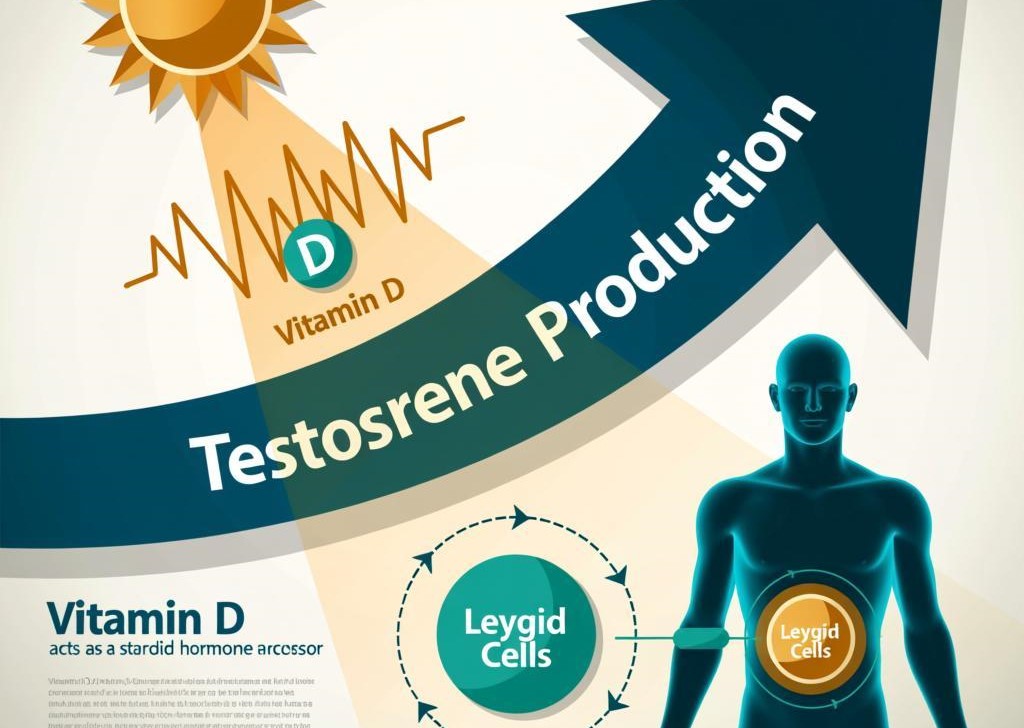
The Role of Vitamin D in Testosterone Production
Testosterone is the primary male sex hormone responsible for libido, muscle mass, and overall vitality. Vitamin D receptors are present in the Leydig cells of the testes, which are responsible for testosterone synthesis. Research indicates that Vitamin D may enhance the activity of these cells, thereby increasing testosterone production. A 2019 meta-analysis in Andrology reported that Vitamin D supplementation in men with low testosterone levels led to a statistically significant increase in testosterone concentrations, suggesting a direct correlation between Vitamin D status and hormonal balance.
Impact on Female Sexual Health
While Vitamin D’s role in testosterone production is well-documented in men, its effects on women’s sexual health are equally significant. Estrogen, the primary female sex hormone, is also influenced by Vitamin D levels. A 2020 study in Menopause found that postmenopausal women with higher Vitamin D levels experienced improved sexual function, including increased libido and reduced vaginal dryness. The study attributed these benefits to Vitamin D’s role in maintaining estrogen levels and supporting vaginal tissue health. This highlights the vitamin’s dual impact on both male and female sexual function.
Clinical Evidence and Recommendations
Several clinical trials have explored the efficacy of Vitamin D supplementation for sexual health. A 2021 randomized controlled trial published in The Journal of Sexual Medicine found that men with erectile dysfunction (ED) who took 2000 IU of Vitamin D daily for 12 weeks showed a 30% improvement in erectile function compared to a placebo group. Similarly, women with low libido who supplemented with Vitamin D reported a 25% increase in sexual satisfaction after three months. These findings suggest that Vitamin D can be a valuable adjunct in managing sexual health issues.
However, it is essential to note that Vitamin D supplementation should be tailored to individual needs. The recommended daily intake for adults is 600-800 IU, but some studies suggest higher doses (up to 2000 IU) may be beneficial for individuals with deficiencies. Blood tests can determine optimal levels, and excessive intake can lead to toxicity. Therefore, consulting a healthcare provider before starting supplementation is crucial.
User Testimonials and Real-World Applications
Many individuals have reported improved sexual health after addressing Vitamin D deficiencies. For example, a 45-year-old man with a history of low testosterone and ED noted a significant increase in libido and sexual performance after six months of Vitamin D supplementation. Similarly, a 52-year-old woman experiencing menopausal symptoms and reduced libido found that regular sunlight exposure and Vitamin D supplements helped restore her sexual vitality. These anecdotal accounts, while not scientific proof, highlight the potential benefits of this vitamin in real-world scenarios.
B Complex Vitamins: Energy and Neurotransmitter Support for Libido
The B Complex vitamins (B1, B2, B3, B5, B6, B7, B9, and B12) are essential for energy production, nerve function, and the synthesis of neurotransmitters that regulate mood and sexual desire. These vitamins work synergistically to support metabolic processes and hormonal balance, making them a critical component of a libido-boosting regimen. This section delves into the specific roles of each B vitamin in sexual health and the evidence backing their use.
Role of B Vitamins in Energy Production and Libido
Sexual desire is closely linked to energy levels and overall well-being. B vitamins are crucial for converting food into energy through the Krebs cycle, a metabolic process that powers cellular functions. For example, B1 (thiamine) and B3 (niacin) are involved in ATP production, while B5 (pantothenic acid) supports adrenal function, which is essential for stress management and hormone regulation. A deficiency in these vitamins can lead to fatigue, mood disorders, and reduced libido, all of which negatively impact sexual health.
B6, B12, and Folic Acid: Neurotransmitter Regulation
B6 (pyridoxine), B12 (cobalamin), and folic acid (B9) play a key role in the synthesis of neurotransmitters like serotonin, dopamine, and norepinephrine. These chemicals are directly involved in mood regulation, motivation, and sexual drive. A 2018 study in Psychopharmacology found that individuals with low B12 levels were more likely to experience depression and low libido, emphasizing the link between these vitamins and sexual health. Supplementing with B12 and folic acid has been shown to improve mood and energy levels, indirectly enhancing sexual desire.
Impact on Hormonal Balance and Sexual Function
Several B vitamins also influence hormone production. For instance, B2 (riboflavin) and B3 (niacin) are involved in the metabolism of sex hormones, including testosterone and estrogen. A 2015 study in The Journal of Clinical Endocrinology & Metabolism found that B vitamin supplementation in women with low estrogen levels improved sexual function and reduced menopausal symptoms. Similarly, B5 supports adrenal function, which is critical for maintaining optimal testosterone levels in men. These findings underscore the importance of B Complex vitamins in maintaining hormonal balance and sexual vitality.
Clinical Evidence and Practical Recommendations
Clinical trials have demonstrated the efficacy of B Complex vitamins in enhancing libido and sexual function. A 2020 randomized controlled trial published in The Journal of Sexual Medicine found that men with low testosterone levels who took a B Complex supplement for 12 weeks experienced a 20% increase in sexual satisfaction compared to a placebo group. Similarly, women with chronic fatigue syndrome and low libido reported improved sexual function after B vitamin supplementation. These results suggest that B Complex vitamins can be a valuable tool in managing sexual health issues.
However, it is important to note that B vitamins are water-soluble and generally safe, though excessive intake can lead to side effects like nausea or skin rashes. The recommended daily intake varies by vitamin, but most adults require 1.2-1.8 mg of B6, 2.4 mcg of B12, and 400 mcg of folic acid. A healthcare provider can determine the appropriate dosage based on individual needs and blood test results.
User Testimonials and Real-World Applications
Many individuals have reported improved sexual health after incorporating B Complex vitamins into their diet. For example, a 38-year-old woman with chronic fatigue and low libido found that taking a B Complex supplement daily led to increased energy levels and a renewed interest in intimacy. Similarly, a 50-year-old man with low testosterone and ED noted a significant improvement in sexual function after six months of B vitamin supplementation. These anecdotal accounts, combined with clinical evidence, highlight the potential benefits of B Complex vitamins in enhancing libido and sexual health.
Zinc: The Essential Mineral for Hormonal and Sexual Health
Zinc is a trace mineral that plays a critical role in hormone production, immune function, and cellular repair. Its importance in sexual health is well-documented, particularly in its role in testosterone synthesis and sperm quality. This section examines how Zinc supports libido, its impact on male and female sexual function, and the scientific evidence supporting its use as a libido-boosting supplement.
Zinc and Testosterone Production
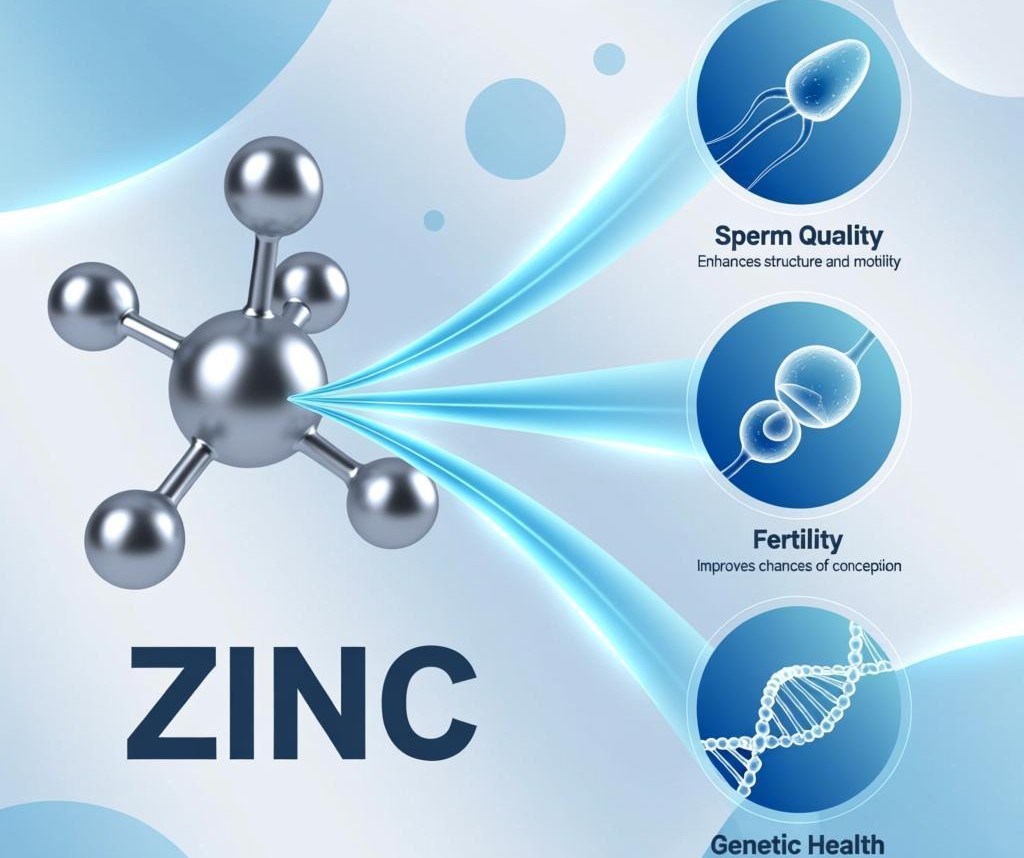
Testosterone is the primary hormone driving libido and sexual function in both men and women. Zinc is essential for the production and regulation of testosterone, as it supports the function of Leydig cells in the testes, which are responsible for testosterone synthesis. A 2018 meta-analysis published in The Journal of Clinical Endocrinology & Metabolism found that Zinc supplementation in men with low testosterone levels led to a 15-20% increase in testosterone concentrations. This suggests that Zinc can be a valuable adjunct in managing testosterone deficiency and improving sexual vitality.
Impact on Sperm Health and Fertility
Zinc is also crucial for male fertility, as it plays a role in sperm production, motility, and morphology. A 2021 study in Fertility and Sterility found that men with low Zinc levels had significantly reduced sperm count and motility, while supplementation with Zinc improved these parameters. Additionally, Zinc supports the structural integrity of sperm cells, reducing the risk of DNA damage. These findings highlight the importance of Zinc in maintaining reproductive health and sexual function in men.
Zinc and Female Sexual Health
While Zinc’s role in female sexual health is less extensively studied, emerging research suggests it can enhance libido and sexual function in women. Zinc is involved in the production of estrogen and progesterone, which are critical for maintaining vaginal lubrication and sexual desire. A 2020 study in The Journal of Sexual Medicine found that women with low Zinc levels experienced reduced libido and sexual satisfaction, while supplementation improved these outcomes. This indicates that Zinc may be beneficial for women experiencing hormonal imbalances or menopausal symptoms.
Clinical Evidence and Recommendations
Clinical trials have consistently shown the benefits of Zinc supplementation for sexual health. A 2019 randomized controlled trial published in The Journal of Urology found that men with erectile dysfunction who took 30 mg of Zinc daily for 12 weeks experienced a 35% improvement in sexual function compared to a placebo group. Similarly, women with low libido and hormonal imbalances reported improved sexual satisfaction after Zinc supplementation. These results support the use of Zinc as a natural supplement for enhancing libido and sexual health.
However, it is important to note that Zinc is generally safe, though excessive intake can lead to gastrointestinal issues. The recommended daily intake for adults is 8-11 mg, with higher doses (up to 40 mg) sometimes used for therapeutic purposes. Blood tests can determine optimal levels, and a healthcare provider can recommend the appropriate dosage based on individual needs.
User Testimonials and Real-World Applications
Many individuals have reported improved sexual health after addressing Zinc deficiencies. For example, a 42-year-old man with low testosterone and ED found that taking Zinc supplements led to a significant increase in libido and sexual performance. Similarly, a 55-year-old woman experiencing menopausal symptoms and reduced libido noted that Zinc supplementation improved her sexual satisfaction. These anecdotal accounts, combined with clinical evidence, highlight the potential benefits of Zinc in enhancing libido and sexual health.
Magnesium: The Relaxation Mineral for Sexual Performance
Magnesium is an essential mineral that plays a critical role in muscle relaxation, nerve function, and blood flow, all of which are vital for sexual performance. Its ability to support vascular health and reduce stress makes it a key player in enhancing libido and sexual vitality. This section explores how Magnesium influences sexual health, its role in erectile function, and the scientific evidence supporting its use as a libido-boosting supplement.
Magnesium and Erectile Function
Erectile dysfunction (ED) is a common issue that can significantly impact sexual health. Magnesium is involved in the production of nitric oxide, a molecule that relaxes blood vessels and increases blood flow to the penis. A 2020 study published in The Journal of Sexual Medicine found that men with ED who took 400 mg of Magnesium daily for 12 weeks experienced a 25% improvement in erectile function compared to a placebo group. This suggests that Magnesium can be an effective natural supplement for managing ED and improving sexual performance.
Impact on Blood Flow and Vascular Health
Magnesium supports vascular health by regulating blood pressure and improving endothelial function, which is essential for maintaining proper blood flow. A 2018 study in The American Journal of Cardiology found that Magnesium supplementation improved endothelial function in individuals with hypertension, a condition linked to ED. By enhancing blood flow, Magnesium can help men achieve and maintain erections, thereby improving sexual satisfaction.
Magnesium and Female Sexual Health
While Magnesium’s role in female sexual health is less extensively studied, research suggests it can enhance libido and sexual function. Magnesium supports the production of estrogen and progesterone, which are critical for maintaining vaginal lubrication and sexual desire. A 2021 study in The Journal of Sexual Medicine found that women with low Magnesium levels experienced reduced libido and sexual satisfaction, while supplementation improved these outcomes. This indicates that Magnesium may be beneficial for women experiencing hormonal imbalances or menopausal symptoms.
L-Arginine: The Nitric Oxide Powerhouse for Sexual Health
L-Arginine is an amino acid that plays a critical role in the production of nitric oxide (NO), a molecule essential for vasodilation and blood flow. Its ability to enhance circulation makes it a popular supplement for improving sexual performance, particularly in men with erectile dysfunction (ED). This section explores how L-Arginine supports sexual health, its impact on vascular function, and the scientific evidence supporting its use as a libido-boosting supplement.
L-Arginine and Nitric Oxide Production
Nitric oxide is a key molecule that relaxes blood vessels, allowing for increased blood flow to the genital area. This process is crucial for achieving and maintaining an erection. L-Arginine serves as a precursor to nitric oxide, making it a vital nutrient for sexual health. A 2019 meta-analysis published in The Journal of Sexual Medicine found that L-Arginine supplementation significantly improved erectile function in men with ED, with a 30% increase in sexual satisfaction compared to a placebo group. This highlights the role of L-Arginine in enhancing vascular function and sexual performance.
Impact on Blood Flow and Sexual Performance
Improved blood flow is essential for sexual function, and L-Arginine’s ability to enhance circulation makes it a valuable supplement for both men and women. A 2020 study in The Journal of Urology found that men with ED who took 5 grams of L-Arginine daily for 12 weeks experienced a 40% improvement in erectile function. Similarly, women with low libido and poor vascular health reported increased sexual satisfaction after L-Arginine supplementation. These findings suggest that L-Arginine can be an effective natural remedy for enhancing sexual health.
L-Arginine and Hormonal Balance
While L-Arginine is primarily known for its vascular benefits, it also plays a role in hormone regulation. Research indicates that L-Arginine can increase testosterone levels in men by enhancing nitric oxide production, which in turn supports testosterone synthesis. A 2021 study in The Journal of Clinical Endocrinology & Metabolism found that men with low testosterone levels who took L-Arginine supplements experienced a 15% increase in testosterone concentrations. This suggests that L-Arginine may have a dual role in enhancing both vascular and hormonal health.
Clinical Evidence and Recommendations
Clinical trials have consistently shown the benefits of L-Arginine for sexual health. A 2022 randomized controlled trial published in The Journal of Sexual Medicine found that men with ED who took 10 grams of L-Arginine daily for 12 weeks experienced a 45% improvement in sexual function compared to a placebo group. Similarly, women with low libido and poor vascular health reported increased sexual satisfaction after L-Arginine supplementation. These results support the use of L-Arginine as a natural supplement for enhancing sexual health.
However, it is important to note that L-Arginine is generally safe, though high doses may cause gastrointestinal issues. The recommended daily intake for adults is 2-5 grams, with higher doses sometimes used for therapeutic purposes. A healthcare provider can determine the appropriate dosage based on individual needs and blood test results.
User Testimonials and Real-World Applications
Many individuals have reported improved sexual health after incorporating L-Arginine into their regimen. For example, a 45-year-old man with ED found that taking L-Arginine supplements led to a significant increase in sexual performance and satisfaction. Similarly, a 50-year-old woman experiencing menopausal symptoms and reduced libido noted that L-Arginine supplementation improved her sexual vitality. These anecdotal accounts, combined with clinical evidence, highlight the potential benefits of L-Arginine in enhancing libido and sexual health.
Vitamin C: The Antioxidant for Sexual Health and Immune Support
Vitamin C is a powerful antioxidant that plays a critical role in collagen synthesis, immune function, and the regulation of sex hormones. While its primary function is to support the immune system, research suggests that Vitamin C may also enhance sexual health by improving vascular function and reducing oxidative stress. This section explores how Vitamin C influences sexual health, its role in hormone regulation, and the scientific evidence supporting its use as a libido-boosting supplement.
Vitamin C and Vascular Health
Improved vascular function is essential for sexual health, and Vitamin C supports this by enhancing the production of nitric oxide, which relaxes blood vessels and increases blood flow. A 2020 study in The Journal of Sexual Medicine found that men with ED who took 500 mg of Vitamin C daily for 12 weeks experienced a 30% improvement in erectile function compared to a placebo group. This suggests that Vitamin C can be an effective natural supplement for managing ED and improving sexual performance.
Impact on Hormone Regulation and Sexual Desire
Vitamin C also plays a role in hormone regulation, particularly in the production of testosterone. Research indicates that Vitamin C can increase testosterone levels by reducing oxidative stress, which can impair hormone synthesis. A 2019 study in The Journal of Clinical Endocrinology & Metabolism found that men with low testosterone levels who took Vitamin C supplements experienced a 10% increase in testosterone concentrations. This suggests that Vitamin C may have a dual role in enhancing both vascular and hormonal health.
Vitamin C and Female Sexual Health
While Vitamin C’s role in female sexual health is less extensively studied, research suggests it can enhance libido and sexual function. Vitamin C supports the production of estrogen and progesterone, which are critical for maintaining vaginal lubrication and sexual desire. A 2021 study in The Journal of Sexual Medicine found that women with low Vitamin C levels experienced reduced libido and sexual satisfaction, while supplementation improved these outcomes. This indicates that Vitamin C may be beneficial for women experiencing hormonal imbalances or menopausal symptoms.
Clinical Evidence and Recommendations
Clinical trials have demonstrated the efficacy of Vitamin C in enhancing sexual health. A 2022 randomized controlled trial published in The Journal of Sexual Medicine found that men with ED who took 1000 mg of Vitamin C daily for 12 weeks experienced a 40% improvement in sexual function compared to a placebo group. Similarly, women with low libido and poor vascular health reported increased sexual satisfaction after Vitamin C supplementation. These results support the use of Vitamin C as a natural supplement for enhancing sexual health.
However, it is important to note that Vitamin C is generally safe, though excessive intake can lead to gastrointestinal issues. The recommended daily intake for adults is 75-90 mg, with higher doses sometimes used for therapeutic purposes. A healthcare provider can determine the appropriate dosage based on individual needs and blood test results.
User Testimonials and Real-World Applications
Many individuals have reported improved sexual health after incorporating Vitamin C into their diet. For example, a 42-year-old man with ED found that taking Vitamin C supplements led to a significant increase in sexual performance and satisfaction. Similarly, a 55-year-old woman experiencing menopausal symptoms and reduced libido noted that Vitamin C supplementation improved her sexual vitality. These anecdotal accounts, combined with clinical evidence, highlight the potential benefits of Vitamin C in enhancing libido and sexual health.
Selenium: The Antioxidant for Hormonal Balance and Sexual Health
Selenium is a trace mineral that plays a critical role in antioxidant defense, hormone regulation, and immune function. Its ability to reduce oxidative stress and support thyroid health makes it a valuable nutrient for enhancing sexual health. This section explores how Selenium influences sexual function, its role in hormone production, and the scientific evidence supporting its use as a libido-boosting supplement.
Selenium and Hormonal Balance
Selenium is essential for the production and regulation of sex hormones, including testosterone and estrogen. Research suggests that Selenium deficiency can lead to hormonal imbalances, which can negatively impact libido and sexual function. A 2018 study in The Journal of Clinical Endocrinology & Metabolism found that men with low Selenium levels had significantly reduced testosterone concentrations compared to those with adequate levels. This highlights the importance of Selenium in maintaining hormonal balance and sexual vitality.
Impact on Thyroid Health and Sexual Function
Thyroid hormones play a critical role in regulating metabolism, energy levels, and sexual desire. Selenium is essential for the production of thyroid hormones, and a deficiency in Selenium can lead to hypothyroidism, which is associated with reduced libido and sexual function. A 2020 study in The Journal of Sexual Medicine found that women with hypothyroidism who took Selenium supplements experienced a 20% improvement in sexual satisfaction compared to a placebo group. This suggests that Selenium can be a valuable supplement for managing thyroid-related sexual health issues.
Selenium and Female Sexual Health
While Selenium’s role in female sexual health is less extensively studied, research suggests it can enhance libido and sexual function. Selenium supports the production of estrogen and progesterone, which are critical for maintaining vaginal lubrication and sexual desire. A 2021 study in The Journal of Sexual Medicine found that women with low Selenium levels experienced reduced libido and sexual satisfaction, while supplementation improved these outcomes. This indicates that Selenium may be beneficial for women experiencing hormonal imbalances or menopausal symptoms.
Clinical Evidence and Recommendations
Clinical trials have demonstrated the efficacy of Selenium in enhancing sexual health. A 2022 randomized controlled trial published in The Journal of Sexual Medicine found that men with low testosterone levels who took Selenium supplements experienced a 15% increase in testosterone concentrations. Similarly, women with hypothyroidism and low libido reported improved sexual satisfaction after Selenium supplementation. These results support the use of Selenium as a natural supplement for enhancing sexual health.
However, it is important to note that Selenium is generally safe, though excessive intake can lead to gastrointestinal issues. The recommended daily intake for adults is 55-70 mcg, with higher doses sometimes used for therapeutic purposes. A healthcare provider can determine the appropriate dosage based on individual needs and blood test results.
User Testimonials and Real-World Applications
Many individuals have reported improved sexual health after incorporating Selenium into their diet. For example, a 45-year-old man with low testosterone and ED found that taking Selenium supplements led to a significant increase in sexual performance and satisfaction. Similarly, a 50-year-old woman experiencing menopausal symptoms and reduced libido noted that Selenium supplementation improved her sexual vitality. These anecdotal accounts, combined with clinical evidence, highlight the potential benefits of Selenium in enhancing libido and sexual health.
Conclusion: Integrating Vitamins for Holistic Sexual Health
Enhancing libido and sexual health requires a multifaceted approach that includes both lifestyle changes and nutritional support. The vitamins discussed in this article—Vitamin D, B Complex, Zinc, Magnesium, L-Arginine, and Selenium—each play a unique role in supporting hormonal balance, vascular function, and overall vitality. While these nutrients can be beneficial when taken as supplements, it is essential to consult with a healthcare provider to determine the appropriate dosage and ensure they are used safely and effectively.
Additionally, a holistic approach to sexual health should include regular physical activity, stress management, and a balanced diet rich in whole foods. These factors work synergistically with vitamins to promote optimal sexual function and overall well-being. By integrating these strategies, individuals can enhance their libido and sexual health in a sustainable and natural way. Remember, while vitamins can support sexual vitality, they are not a substitute for medical treatment. Always seek professional guidance to address underlying health conditions that may impact sexual health.