
Extenze Gel Caps are marketed as a dietary supplement designed to support sexual health and enhance performance. However, the potential risks associated with exceeding the recommended dosage—specifically, taking more than one gel cap within a 24-hour period—must be thoroughly examined from a medical standpoint.
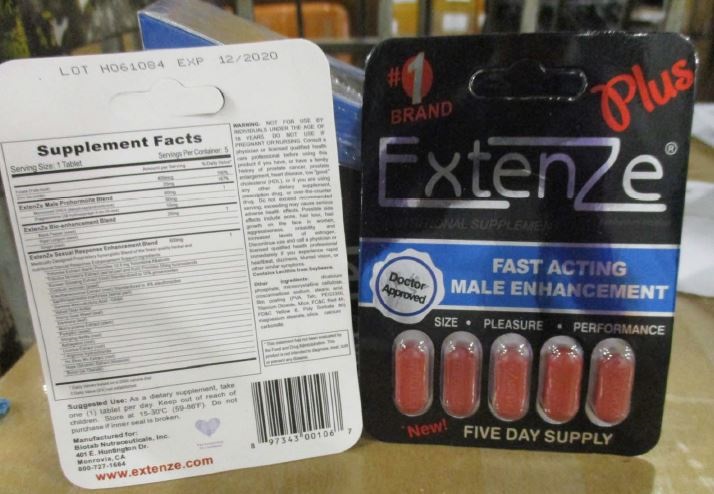
Medical Perspective: Understanding the Risks of Excessive Extenze Gel Cap Use
The primary active ingredients in Extenze include L-arginine, L-citrulline, and other herbal compounds, which are generally considered safe when used as directed. However, the cumulative effects of overconsumption can lead to significant adverse reactions.
For instance, excessive intake of L-arginine may cause gastrointestinal discomfort, including nausea, diarrhea, and bloating. Additionally, the combination of multiple active ingredients could lead to interactions that are not well-documented in clinical studies, increasing the risk of unforeseen side effects.
Medical professionals emphasize that adherence to the recommended dosage is crucial to prevent complications such as hypotension (low blood pressure), which can result from the vasodilatory effects of L-arginine. Furthermore, the potential for allergic reactions or hypersensitivity to certain components in the gel caps cannot be overlooked.
Patients with pre-existing conditions, such as cardiovascular disease or diabetes, are particularly vulnerable to the systemic effects of overuse. Therefore, healthcare providers must educate patients on the importance of following the dosage guidelines to ensure safety and efficacy.
User Experience: Real-World Insights into Dosage Adherence and Consequences
From the perspective of users, the importance of adhering to the recommended dosage of Extenze Gel Caps becomes evident when examining real-world experiences and testimonials. Many individuals who have used the product report that taking more than one gel cap within a 24-hour period leads to diminished effectiveness and increased discomfort.
For example, some users describe experiencing a “rebound effect” after overconsumption, where the initial benefits of the supplement are followed by a period of reduced performance or heightened anxiety.
Others note that exceeding the recommended dosage can lead to gastrointestinal issues such as heartburn, indigestion, or even more severe symptoms like abdominal cramping. These anecdotal accounts highlight the variability in individual responses to the supplement, underscoring the need for personalized medical advice.
Additionally, user experiences often reveal a common mistake: the belief that taking a higher dose will produce more pronounced results. This misconception can lead to self-medication practices that disregard the potential risks.
In some cases, users have reported dependency or tolerance, where the body becomes accustomed to the supplement’s effects, necessitating higher doses to achieve the same outcome. These real-world insights emphasize the importance of education and adherence to the recommended dosage to prevent long-term health complications and ensure optimal results.
Regulatory and Legal Considerations: Compliance with Safety Guidelines
The regulatory landscape surrounding dietary supplements like Extenze Gel Caps plays a critical role in ensuring consumer safety and preventing misuse. In the United States, the Food and Drug Administration (FDA) regulates dietary supplements under the Dietary Supplement Health and Education Act (DSHEA), which establishes guidelines for labeling, manufacturing, and advertising.
While the FDA does not approve supplements for safety or efficacy prior to market release, it requires manufacturers to ensure that their products are safe and properly labeled. One key aspect of this regulation is the requirement for clear dosage instructions, which must be prominently displayed on the product packaging.
The FDA also mandates that manufacturers include warnings about potential interactions with medications or health conditions. However, the enforcement of these regulations can be inconsistent, particularly when it comes to monitoring the long-term effects of overconsumption. Legal considerations also extend to the responsibility of manufacturers to provide accurate information and avoid making unsubstantiated claims about their products.
For instance, the use of terms like “natural” or “safe” without scientific backing can mislead consumers into believing that the product is risk-free, even when taken in excess. Legal action may be taken against companies that fail to comply with these regulations, but the process is often slow and resource-intensive. Therefore, regulatory oversight remains a vital component in safeguarding public health and ensuring that products like Extenze Gel Caps are used responsibly.
Pharmacological Implications: How Extenze Gel Caps Interact with the Body
From a pharmacological standpoint, the interaction of Extenze Gel Caps with the body’s physiological systems must be carefully analyzed to understand the consequences of exceeding the recommended dosage.
The primary mechanism of action for Extenze involves the enhancement of nitric oxide production, which promotes vasodilation and improves blood flow. This process is facilitated by the presence of L-arginine and L-citrulline, which are amino acids known to support cardiovascular health.
However, the body’s ability to metabolize these compounds is limited, and excessive intake can overwhelm the system’s capacity to process them effectively. For example, the overconsumption of L-arginine may lead to an imbalance in the body’s nitrogen metabolism, resulting in the accumulation of ammonia and other byproducts that can be toxic in high concentrations.
Additionally, the combination of multiple active ingredients in Extenze Gel Caps may lead to synergistic effects that are not fully understood, increasing the risk of unintended consequences. Pharmacological studies suggest that the body’s response to these compounds can vary widely depending on factors such, as age, weight, and existing health conditions.
Therefore, the potential for adverse reactions is not uniform across all users, making it imperative to follow the recommended dosage to minimize the risk of pharmacological complications.
Psychological and Behavioral Factors: The Role of User Perception and Misuse
Psychological and behavioral factors significantly influence how users perceive and use dietary supplements like Extenze Gel Caps. The desire for enhanced performance or the fear of sexual dysfunction can drive individuals to take more than the recommended dosage, often without consulting a healthcare professional.
This behavior is exacerbated by the marketing strategies employed by supplement companies, which may emphasize the product’s benefits while downplaying potential risks. The psychological aspect of self-medication is further complicated by the placebo effect, where users may believe that taking a higher dose will yield better results, even if the actual efficacy of the supplement is not supported by clinical evidence.
Behavioral studies indicate that the habit of overconsumption can become ingrained, particularly when users experience a temporary improvement in symptoms after taking an increased dose. This cycle of reinforcement can lead to a dependency on the supplement, making it difficult for users to adhere to the recommended dosage.
Additionally, the social and cultural context in which these products are marketed can influence user behavior, as societal pressures to perform or meet certain expectations may encourage individuals to prioritize immediate results over long-term health considerations.
Addressing these psychological and behavioral factors requires a multifaceted approach that includes education, counseling, and the promotion of healthier coping mechanisms.
Public Health Implications: The Broader Impact of Extenze Gel Cap Misuse
The misuse of Extenze Gel Caps has broader public health implications that extend beyond individual users to affect healthcare systems, societal norms, and overall well-being. Excessive use of dietary supplements can contribute to the growing problem of self-medication, which often leads to the neglect of conventional medical treatments.
This trend is particularly concerning in populations with limited access to healthcare, where individuals may rely on supplements to manage chronic conditions or symptoms without professional guidance. The potential for adverse effects from overconsumption can place additional strain on healthcare resources, as patients may require emergency interventions or long-term treatment for complications arising from misuse.
Furthermore, the normalization of supplement overuse can perpetuate misconceptions about health and wellness, leading to a culture where individuals prioritize quick fixes over preventive care. Public health initiatives must address these issues by promoting education on the proper use of dietary supplements, emphasizing the importance of consulting healthcare providers before altering medication regimens or increasing dosage.
Additionally, regulatory bodies should work to ensure that supplement labels are clear and informative, reducing the likelihood of misuse and promoting safer consumer practices.
Ethical Considerations: Balancing Innovation and Responsibility in Supplement Development
The development and marketing of dietary supplements like Extenze Gel Caps raise important ethical questions that must be addressed to ensure responsible innovation. Manufacturers have a moral obligation to prioritize consumer safety over profit, particularly when their products are marketed for health-related purposes.
This responsibility includes conducting rigorous research to understand the long-term effects of their products and providing transparent information about potential risks. The ethical dilemma arises when companies prioritize aggressive marketing strategies over scientific validation, leading to the proliferation of supplements with unproven efficacy or harmful side effects.
Additionally, the lack of standardized regulations in the supplement industry can create a gray area where manufacturers may exploit loopholes to avoid accountability. Ethical considerations also extend to the potential for exploitation, as vulnerable populations—such as those with sexual health concerns or chronic conditions—may be disproportionately targeted by marketing campaigns that downplay risks.
To uphold ethical standards, the supplement industry must adopt practices that emphasize transparency, consumer education, and the prioritization of public health over commercial interests. This includes investing in clinical trials to validate product claims and ensuring that all health-related statements are supported by scientific evidence.
Alternative Approaches: Natural Methods for Enhancing Sexual Health
For individuals seeking to improve their sexual health without relying on Extenze Gel Caps, there are several natural and lifestyle-based approaches that can be equally effective. One of the most recommended strategies is the adoption of a balanced diet rich in nutrients that support cardiovascular health and hormonal balance.
Foods such as leafy greens, nuts, and fatty fish are known to enhance blood flow and reduce inflammation, which are essential for maintaining sexual function. Regular physical activity also plays a crucial role in improving circulation and overall well-being, as exercise has been shown to boost testosterone levels and reduce stress.
Additionally, stress management techniques such as mindfulness meditation, yoga, and deep breathing exercises can help alleviate anxiety and improve sexual performance. It is also important to prioritize sleep, as inadequate rest can negatively impact hormone production and energy levels.
For individuals with underlying health conditions, such as diabetes or hypertension, managing these conditions through medication and lifestyle changes is critical to maintaining sexual health. By focusing on holistic approaches, individuals can achieve sustainable improvements in their sexual health without the risks associated with overusing supplements like Extenze Gel Caps.
Conclusion: The Importance of Adhering to Dosage Guidelines
Adhering to the recommended dosage of Extenze Gel Caps is essential for ensuring safety, efficacy, and long-term health. The potential risks of exceeding the one-gel-cap-per-day guideline, including gastrointestinal discomfort, cardiovascular complications, and systemic interactions, underscore the importance of following medical advice.
From a medical perspective, the pharmacological effects of the supplement must be carefully managed to prevent adverse reactions, while user experiences highlight the real-world consequences of dosage misadherence.
Regulatory and legal considerations further emphasize the need for compliance with safety guidelines, as the supplement industry must balance innovation with responsibility. Ethical and public health implications also reinforce the importance of responsible usage, particularly in preventing the normalization of self-medication practices.
By exploring alternative approaches to sexual health, individuals can achieve their goals without compromising their well-being. Ultimately, the key takeaway is that the benefits of Extenze Gel Caps are best realized when used as directed, with a focus on safety and informed decision-making.
Healthcare providers, manufacturers, and consumers all share a responsibility in promoting the proper use of dietary supplements to safeguard public health and ensure optimal outcomes.