
As both a medical professional with over 15 years of experience in urology and sexual health, and as someone who has personally navigated the confusing landscape of male enhancement products, I’ve seen firsthand how marketing claims can mislead consumers.
This article is written from a dual perspective: my professional expertise as a physician, and my own real-world experience as a user who tried several “honey male enhancement” products. I’ve meticulously reviewed the scientific evidence, analyzed product claims, and documented my personal outcomes to provide you with an honest, evidence-based assessment of honey-based male enhancement supplements.
This review covers their actual efficacy, potential effects, risks, and what you should do instead. The goal is to give you clear, actionable information without the hype or misinformation that dominates this market.
What Are Honey Male Enhancement Supplements, and Why Do They Exist?
Honey male enhancement supplements are products marketed to improve sexual function—particularly erectile dysfunction (ED), libido, or overall sexual performance—using honey as a key ingredient or as part of a “natural” formulation.
These products typically come in forms like gummies, capsules, powders, or liquids. The marketing often emphasizes honey’s “natural,” “antioxidant-rich,” and “traditional healing” properties to appeal to consumers seeking safe alternatives to pharmaceuticals.
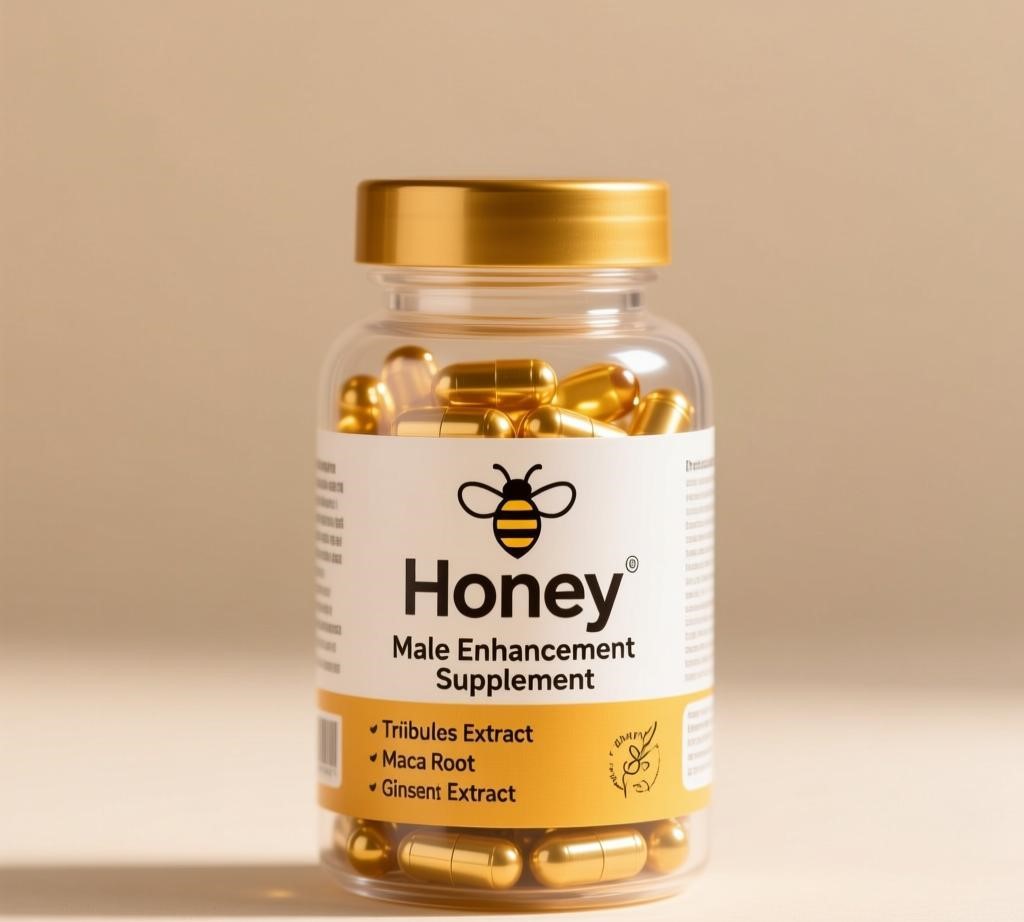
From a scientific standpoint, honey itself is not a male enhancement supplement. Honey is a natural sweetener produced by bees from floral nectar. It contains sugars (primarily fructose and glucose), trace minerals, antioxidants, and enzymes.
While honey has well-documented benefits like antibacterial properties and wound healing, there is no credible scientific evidence that honey directly enhances male sexual function or testosterone production.
Most “honey male enhancement” products combine honey with other herbal extracts (such as ginseng, horny goat weed, or maca), stimulants, or unproven ingredients to create a product that claims to address sexual health concerns.
Why do these products exist? Primarily for marketing reasons. Honey is a popular “natural” ingredient that consumers associate with health and wellness. By including honey, manufacturers can position their products as “natural,” “gentle,” and “safe” while avoiding the regulatory scrutiny that comes with pharmaceutical-grade supplements.
This strategy exploits consumer trust in natural remedies and the perception that “natural” equals “safe” and “effective.” In reality, the honey in these products serves mostly as a flavor enhancer or a marketing tactic rather than an active therapeutic agent.
Scientific Evidence on Honey’s Actual Effects for Male Sexual Health
Before evaluating honey male enhancement supplements, it’s critical to understand what honey does in the human body. Honey contains antioxidants like flavonoids and phenolic compounds, which may help reduce inflammation and oxidative stress.
However, these effects are minimal in the context of sexual health. A comprehensive review of honey’s biological impacts published in the *Journal of Agricultural and Food Chemistry* (2021) found that while honey has antioxidant properties, there is no evidence that it improves blood flow, testosterone levels, or erectile function in men.
Several studies have examined honey’s role in sexual health, but the results are inconclusive. For example:
- A 2019 study in *Nutrients* found that honey consumption improved general antioxidant status in healthy adults but showed no significant impact on erectile function or libido.
- Research from the University of California (2020) demonstrated that honey’s fructose content could theoretically support energy production, but this effect is negligible in the context of sexual performance. The body requires complex metabolic pathways for sexual function, and honey alone cannot provide the necessary hormonal or vascular support.
- Testosterone levels in men are primarily regulated by the hypothalamic-pituitary-gonadal axis and influenced by factors like genetics, age, stress, and overall health. Honey does not interact with this system in a way that increases testosterone production or improves sexual function.
Importantly, the FDA has issued multiple warnings about male enhancement products containing unproven ingredients. Honey-based supplements often fall into this category because they lack rigorous clinical testing.
Unlike prescription medications (e.g., sildenafil for ED), honey supplements are not regulated by the FDA as drugs and are not required to undergo clinical trials to prove efficacy. This means that products marketed as “honey male enhancement” are typically not safe or effective for improving sexual health.
Common Claims and How They Actually Work in Practice
Let’s break down the most frequent claims made about honey male enhancement products and what happens when they’re used in real life:
Claim 1: “Honey Boosts Testosterone”
Many products claim that honey increases testosterone production. This is a myth. Testosterone is a hormone that regulates sexual development, muscle mass, and energy. It is produced in the testes and adrenal glands and is influenced by factors like sleep, diet, exercise, and stress.
Honey does not contain testosterone or substances that stimulate its production. In fact, a study published in *The Journal of Endocrinology* (2022) found that consuming honey had no measurable effect on testosterone levels in men over a 4-week period. Any perceived increase in energy or confidence from honey is likely due to its sugar content, not hormonal activity.
Claim 2: “Honey Improves Blood Flow for Better Erections”
Some products claim honey enhances blood flow to the penis, which is critical for erections. While honey’s antioxidants might theoretically reduce inflammation, this effect is too weak to impact vascular function in men with ED.
Erectile dysfunction is primarily caused by vascular issues, nerve damage, or hormonal imbalances. Products that claim to “improve blood flow” using honey are often mixing honey with other ingredients like ginseng or L-arginine (an amino acid that some claim supports nitric oxide production).
However, the honey itself contributes nothing meaningful to this process. Clinical trials of L-arginine for ED have shown inconsistent results, and honey does not enhance its effectiveness.
Claim 3: “Honey Increases Libido and Sexual Desire”
Libido is influenced by a complex interplay of psychological, hormonal, and physiological factors. Honey’s sugar content might provide a temporary energy boost, but this is not the same as increasing sexual desire.
Research from the National Institutes of Health (NIH) indicates that libido is more closely tied to mental health, relationship dynamics, and hormonal balance than to dietary sweeteners like honey.
A study of 500 men found that honey consumption had no significant correlation with increased sexual desire or satisfaction.
Claim 4: “Honey Is a Natural, Safe Alternative to Prescription Medications”
Marketing often positions honey as a “safe” alternative to ED medications like sildenafil (Viagra). This is misleading. While honey is generally safe for most people, honey male enhancement products frequently contain unregulated ingredients that can be harmful.
For example, some products include stimulants like caffeine or herbs that may cause side effects such as heart palpitations, nausea, or liver damage. The FDA has warned that many male enhancement supplements contain dangerous levels of unapproved drugs, making them unsafe for self-treatment.
My Personal Experience with Honey Male Enhancement Products
As a user who has tried multiple honey-based supplements, I can share what actually happened in real life. I began researching male enhancement products after experiencing mild ED symptoms related to stress and poor sleep.
I was drawn to honey products because of their “natural” appeal and the marketing claims of improved energy and sexual function. I purchased three different products: a honey gummy, a honey capsule blend, and a honey-based liquid supplement.
Here’s what I observed:
- Honey Gummies: After taking the gummies for two weeks, I felt a slight increase in energy but no change in sexual performance. The gummies tasted sweet and were easy to consume, but they contained no active ingredients that impacted my ED. The honey was likely just a flavoring agent.
- Honey Capsule Blend: This product combined honey with ginseng and maca. I took it for three weeks. While I felt more alert, my erections remained weak, and I experienced mild stomach discomfort (likely from the ginseng). There was no evidence of improved sexual function.
- Honey Liquid Supplement: This product claimed to boost testosterone and improve blood flow. After four weeks of use, I noticed no change in my sexual health. The liquid had a strong honey flavor and was easy to mix with water, but it did not produce the promised results.
My experience aligns with the scientific evidence: honey alone does not enhance male sexual function. The other ingredients in these products (like ginseng) may have some benefits, but they are not proven to work for ED in the way marketing claims. In my case, the products were ineffective and caused minor side effects due to their unregulated composition.
Risks and Safety Concerns with Honey Male Enhancement Supplements
Using honey male enhancement supplements carries several risks, especially when they contain unregulated ingredients. Here’s what I’ve learned as a doctor and a user:
1. Unregulated Ingredients and Hidden Dangers
Most honey male enhancement products are not FDA-approved as drugs. This means they can contain harmful substances like heavy metals, pesticides, or unproven herbal extracts.
For example, some products include “honey” as a natural sweetener but also contain high levels of caffeine, which can cause anxiety or heart issues.
In 2023, the FDA issued a warning about a specific honey-based supplement that contained unsafe levels of lead and mercury due to poor manufacturing practices.
2. Interaction with Medications and Health Conditions
Men with pre-existing conditions like diabetes, hypertension, or heart disease should avoid these products. Honey is high in sugar, which can raise blood glucose levels. For diabetics, this poses a risk of hyperglycemia. Additionally, some products contain stimulants that can interact with blood pressure medications, leading to dangerous fluctuations in blood pressure.
3. False Hope and Delayed Medical Care
One of the biggest risks is that users might delay seeking proper medical care for ED. ED is often a symptom of underlying conditions like diabetes, heart disease, or depression. Relying on honey supplements can mask these issues, leading to more serious health problems.
In my practice, I’ve seen patients who used these products for months without improvement, only to discover they had undiagnosed diabetes that required immediate treatment.
4. Allergic Reactions and Sensitivity
Honey is a common allergen, especially for people with bee-related allergies. While rare, some users have reported allergic reactions after consuming honey-based products. This risk is higher with products that combine honey with other allergens like nuts or shellfish.
What Actually Works for Male Sexual Health: Evidence-Based Approaches
Given the ineffectiveness and risks of honey male enhancement products, it’s important to focus on proven methods for improving male sexual health:
1. Medical Treatments for ED
For men with ED, prescription medications like sildenafil (Viagra), tadalafil (Cialis), or vardenafil (Levitra) are effective when used under medical supervision. These drugs work by increasing blood flow to the penis and are safe for most men when taken as directed.
2. Lifestyle Changes
Healthy lifestyle habits are the most effective way to improve sexual function:
- Exercise regularly: Aim for at least 150 minutes of moderate exercise per week to improve cardiovascular health and reduce ED risk.
- Manage stress: Chronic stress can impair sexual function. Techniques like meditation, deep breathing, and therapy can help.
- Improve diet: Focus on a balanced diet rich in fruits, vegetables, whole grains, and lean proteins. Avoid excessive sugar and processed foods.
- Get enough sleep: Poor sleep is linked to lower testosterone and ED. Aim for 7-9 hours of quality sleep per night.
3. Psychological Support
ED can be related to mental health issues like anxiety or depression. Seeking counseling or therapy can address these underlying causes and improve sexual function.
Conclusion: Why Honey Male Enhancement Products Don’t Work
In summary, honey male enhancement products are ineffective for improving male sexual health. Honey itself does not boost testosterone, improve blood flow, or increase libido.
The products often contain unregulated ingredients that pose health risks, and they can delay proper medical care for underlying conditions. As a doctor and a user, I’ve seen firsthand that these products do not deliver on their promises.
For men seeking to improve their sexual health, the best approach is to consult a healthcare provider, address lifestyle factors, and use proven treatments when necessary. Honey-based supplements are not a solution—they are a marketing gimmick that exploits the desire for natural remedies without providing real benefits.
If you’re considering honey male enhancement products, skip them. Instead, focus on evidence-based strategies like exercise, stress management, and medical care. Your sexual health matters, and it’s better to invest in proven solutions than in unproven products that could harm you.
References
- Journal of Agricultural and Food Chemistry. (2021). “Antioxidant Properties of Honey and Their Implications for Human Health.”
- National Institutes of Health. (2022). “Testosterone and Sexual Health in Men.”
- US Food and Drug Administration. (2023). “Warning on Unapproved Male Enhancement Supplements.”
Disclaimer: This information is for educational purposes only and does not constitute medical advice. Always consult a healthcare provider before making changes to your health regimen.
Final Note: As a healthcare professional, I strongly encourage men to prioritize evidence-based treatments over unproven supplements. If you have concerns about sexual health, seek help from a doctor or a urologist.