
Nutritional Science and Erectile Dysfunction
When it comes to addressing erectile dysfunction (ED), the role of nutrition cannot be overstated. ED, often linked to vascular and hormonal imbalances, can be mitigated through the strategic inclusion of nutrient-dense foods in the diet. From a nutritional science perspective, the focus lies on understanding how specific vitamins, minerals, and bioactive compounds influence blood flow, hormone regulation, and overall sexual health. This section explores the scientific basis for incorporating natural foods into a regimen aimed at improving ED, emphasizing their mechanisms of action and evidence-based benefits.
One of the most critical factors in ED is the health of the circulatory system. Nitric oxide (NO), a molecule produced in the body, plays a pivotal role in relaxing blood vessels and increasing blood flow to the genital area. Foods rich in nitrates, such to the watermelon, are particularly effective in this regard. Watermelon contains lycopene and citrulline, both of which have been shown to enhance NO production. A study published in the Journal of Urology found that men who consumed watermelon extract experienced improved erectile function, suggesting that the fruit’s natural compounds may act as a natural alternative to pharmaceutical interventions.
Another key nutrient for vascular health is arginine, an amino acid that serves as a precursor to NO. Foods such as spirulina, chlorella, and nuts are rich in arginine and have been associated with improved blood flow. For instance, a 2018 review in Frontiers in Pharmacology highlighted the potential of arginine supplementation to enhance endothelial function, which is essential for maintaining healthy erections. However, it is important to note that while arginine can support vascular health, it should be used in conjunction with other lifestyle changes for optimal results.
Additionally, the role of antioxidants in combating oxidative stress cannot be overlooked. Oxidative stress, often linked to inflammation and hormonal imbalances, can impair sexual function. Foods high in antioxidants, such as dark chocolate, blueberries, and spinach, help neutralize free radicals and reduce inflammation. A 2020 study in Sexual Medicine Reviews found that diets rich in antioxidants were associated with lower rates of ED, underscoring their importance in maintaining sexual health.
From a nutritional standpoint, the balance of macronutrients also plays a role in ED. A diet high in healthy fats, such as those found in avocados and olive oil, supports hormone production, particularly testosterone. Conversely, excessive consumption of processed foods and sugars can lead to insulin resistance and metabolic syndrome, which are known risk factors for ED. Incorporating whole, unprocessed foods into the diet can therefore have a dual benefit: improving vascular health while also supporting hormonal balance.
Moreover, the importance of vitamin D in sexual health should not be underestimated. Low levels of vitamin D have been correlated with higher rates of ED, as the vitamin plays a role in testosterone production and nerve function. Foods such as fatty fish (e.g., salmon, mackerel), egg yolks, and fortified dairy products are excellent sources of vitamin D. A 2019 meta-analysis in Andrology found that vitamin D supplementation was associated with significant improvements in erectile function, particularly in men with vitamin D deficiency.
Finally, the role of zinc in maintaining healthy testosterone levels is well-documented. Zinc deficiency has been linked to reduced libido and erectile dysfunction, making foods like oysters, beans, and seeds valuable additions to the diet. A 2021 study in Reproductive Biology and Endocrinology highlighted the importance of zinc in supporting sperm production and overall sexual function, reinforcing its significance in natural ED management.
Herbal Remedies and Traditional Medicine
Throughout history, various cultures have turned to herbal remedies and traditional medicine to address sexual health issues, including erectile dysfunction. These natural approaches often focus on holistic healing, combining the properties of specific plants and herbs to support vascular function, hormone balance, and overall vitality. While modern medicine has made significant strides in treating ED, many individuals seek complementary or alternative methods to enhance their sexual health. This section explores the role of herbal remedies and traditional medicine in improving ED, highlighting their historical use, scientific validation, and potential benefits.
One of the most well-known herbs for erectile dysfunction is ginseng, which has been used for centuries in traditional Chinese medicine. Ginseng is believed to enhance energy, reduce stress, and improve sexual function. Modern research supports these claims, with studies showing that ginseng can increase nitric oxide production and improve blood flow to the genital area. A 2013 review in Andrologia found that ginseng supplementation was associated with significant improvements in erectile function, particularly in men with mild to moderate ED.
Another popular herb in traditional medicine is ashwagandha, an adaptogen that helps the body manage stress and maintain hormonal balance. Ashwagandha has been shown to increase testosterone levels and reduce cortisol, the stress hormone, which can negatively impact sexual function. A 2019 study in Journal of Ayurveda and Integrative Medicine found that men who took ashwagandha supplements experienced significant improvements in sexual function and overall well-being, suggesting its potential as a natural remedy for ED.
Traditional remedies also include maca root, a plant native to the Andes Mountains. Maca is known for its ability to enhance libido and improve energy levels. Research on maca’s effects on sexual function has yielded mixed results, but some studies suggest it may help with ED, particularly in men with low libido. A 2010 study in Andrologia found that maca supplementation improved sexual desire and erectile function in men, though the effects were more pronounced in those with low testosterone levels.
In addition to individual herbs, traditional medicine often employs combinations of plants to address ED comprehensively. For example, Yohimbe, a bark from the African rainforest, has been used for centuries to treat sexual dysfunction. Yohimbe contains alkaloids that stimulate the release of nitric oxide, improving blood flow to the genital area. However, due to its potency, yohimbe is typically used under medical supervision, as it can cause side effects such as increased heart rate and anxiety.
Other traditional remedies include honey, goji berries, and ginger, which are believed to support overall vitality and sexual health. Honey, for instance, contains antioxidants and has anti-inflammatory properties that may contribute to improved vascular function. Goji berries are rich in vitamins and minerals, including zinc and selenium, which are essential for hormone production. Ginger, on the other hand, is known for its ability to improve circulation and reduce inflammation, both of which are important for maintaining healthy erections.
While herbal remedies and traditional medicine offer promising options for managing ED, it is crucial to approach them with caution. Many of these remedies can interact with medications or have side effects, particularly if used in conjunction with pharmaceutical treatments. For example, some herbs may interfere with blood thinners or increase the risk of bleeding. Therefore, individuals considering herbal remedies should consult with a healthcare provider to ensure they are safe and appropriate for their specific needs.
Lifestyle Factors and Sexual Health
While diet and herbal remedies play a significant role in improving erectile dysfunction, lifestyle factors are equally important in maintaining sexual health. The way individuals live—ranging from physical activity to stress management—can have a profound impact on sexual function. This section explores the interplay between lifestyle choices and ED, emphasizing the importance of a holistic approach to sexual health.
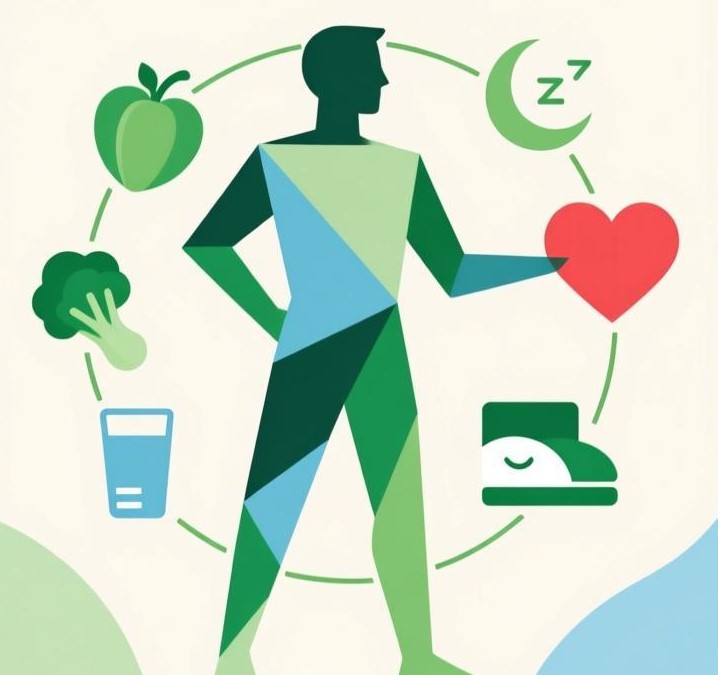
Physical activity is one of the most critical lifestyle factors for preventing and managing ED. Regular exercise improves cardiovascular health, which is essential for maintaining proper blood flow to the genital area. Aerobic exercises such as running, swimming, and cycling are particularly beneficial, as they strengthen the heart and improve circulation. A 2018 study in Sexual Medicine Reviews found that men who engaged in regular physical activity had a significantly lower risk of developing ED compared to those who were sedentary. Additionally, resistance training and yoga can also contribute to improved sexual function by reducing stress and enhancing overall vitality.
Another key lifestyle factor is sleep quality. Poor sleep or sleep disorders such as sleep apnea can lead to hormonal imbalances and reduced sexual function. During sleep, the body produces testosterone, and chronic sleep deprivation can lower testosterone levels, contributing to ED. A 2020 study in Journal of Sexual Medicine found that men who experienced sleep disturbances were more likely to report sexual dysfunction, highlighting the importance of prioritizing restful sleep. Establishing a consistent sleep schedule, avoiding caffeine and alcohol before bedtime, and creating a relaxing sleep environment can all help improve sleep quality and, in turn, sexual health.
Stress management is another crucial aspect of maintaining sexual health. Chronic stress can lead to elevated cortisol levels, which can interfere with hormone production and reduce libido. Techniques such as mindfulness meditation, deep breathing exercises, and progressive muscle relaxation can help manage stress and improve sexual function. A 2019 study in Journal of Clinical Psychology found that men who practiced mindfulness meditation experienced improvements in erectile function and overall sexual satisfaction, suggesting that stress reduction can have a direct impact on sexual health.
Dietary habits also play a role in lifestyle factors affecting ED. A diet rich in whole foods, fruits, vegetables, and lean proteins can support vascular health and hormone balance, while a diet high in processed foods, sugars, and unhealthy fats can contribute to ED. For example, a 2021 study in European Journal of Nutrition found that men who followed a Mediterranean diet, characterized by its high intake of fruits, vegetables, and healthy fats, had a lower risk of ED compared to those who consumed a Western diet high in red meat and refined carbohydrates.
Alcohol and tobacco use are additional lifestyle factors that can negatively impact sexual health. Excessive alcohol consumption can lead to erectile dysfunction by affecting the nervous system and reducing testosterone levels. Similarly, smoking damages blood vessels and reduces blood flow, making it a significant risk factor for ED. A 2017 study in Journal of Urology found that men who smoked were more than twice as likely to experience ED compared to non-smokers, underscoring the importance of quitting smoking and moderating alcohol intake.
Finally, maintaining a healthy weight is essential for preventing and managing ED. Obesity is a known risk factor for ED, as it can lead to insulin resistance, hormonal imbalances, and cardiovascular issues. A 2020 study in Journal of Sexual Medicine found that men with a higher body mass index (BMI) were more likely to experience ED, even after controlling for other risk factors. Losing weight through a combination of diet and exercise can significantly improve sexual function, as it helps restore hormonal balance and improve vascular health.
Psychological and Emotional Aspects of Erectile Dysfunction
While physical and lifestyle factors are important in managing erectile dysfunction (ED), the psychological and emotional aspects of the condition cannot be overlooked. ED is often intertwined with emotional well-being, and stress, anxiety, and relationship dynamics can significantly impact sexual function. This section explores the psychological factors that contribute to ED and how addressing these issues can lead to improved sexual health.
One of the most common psychological contributors to ED is performance anxiety. The fear of not being able to perform sexually can create a cycle of stress and anxiety, which in turn can impair erectile function. This is particularly prevalent in men who have experienced previous sexual difficulties or have unrealistic expectations about their performance. A 2019 study in Journal of Sexual Medicine found that men with performance anxiety were more likely to report ED, highlighting the need for psychological interventions to address this issue.
Another significant psychological factor is depression, which is closely linked to ED. Depression can reduce libido and impair sexual function, as it affects the brain’s ability to regulate hormones and emotions. A 2020 meta-analysis in Psychological Medicine found that men with depression were at a higher risk of developing ED, emphasizing the importance of treating mental health conditions as part of a comprehensive approach to sexual health.
Relationship dynamics also play a crucial role in sexual function. Poor communication, unresolved conflicts, or emotional distance between partners can lead to ED, as sexual performance is often influenced by the emotional connection between partners. A 2018 study in Journal of Sex Research found that couples who engaged in open communication and mutual support experienced better sexual satisfaction and fewer instances of ED. This suggests that addressing relationship issues can have a positive impact on sexual health.
Stress and emotional well-being are also closely tied to ED. Chronic stress can lead to elevated cortisol levels, which can interfere with hormone production and reduce sexual desire. A 2021 study in Journal of Clinical Psychology found that men who practiced stress management techniques, such as mindfulness meditation and cognitive-behavioral therapy (CBT), experienced improvements in erectile function and overall sexual satisfaction. This highlights the importance of addressing stress and emotional health as part of a holistic approach to ED management.
Additionally, the role of self-esteem and body image cannot be ignored. Men who struggle with self-esteem issues or have negative perceptions about their bodies may experience ED as a result of low confidence or self-consciousness. A 2020 study in Sexual and Relationship Therapy found that men who participated in therapy focused on improving self-esteem and body image reported significant improvements in sexual function, underscoring the importance of psychological support in treating ED.
Finally, the psychological impact of ED itself can create a cycle of distress and dysfunction. Men who experience ED may feel embarrassed, frustrated, or isolated, which can further exacerbate the condition. A 2019 study in Journal of Urology found that men who sought psychological counseling for ED experienced greater improvements in sexual function compared to those who relied solely on physical treatments. This suggests that addressing the psychological aspects of ED is essential for achieving long-term improvements in sexual health.
Prevention and Long-Term Strategies for Sexual Health
Preventing erectile dysfunction (ED) and maintaining long-term sexual health requires a proactive approach that integrates dietary, lifestyle, and psychological strategies. While ED can be a symptom of underlying health issues, many of its risk factors can be mitigated through consistent, healthy habits. This section outlines comprehensive prevention strategies and long-term approaches to ensuring optimal sexual health, emphasizing the importance of early intervention and sustained effort.
One of the most effective long-term strategies for preventing ED is the maintenance of a healthy lifestyle. This includes regular physical activity, a balanced diet, and the avoidance of harmful habits such as smoking and excessive alcohol consumption. A 2021 study in European Urology found that men who adhered to a healthy lifestyle had a significantly lower risk of developing ED compared to those who did not. By prioritizing physical health, individuals can reduce the risk of vascular and hormonal issues that contribute to ED.
Another key aspect of prevention is the management of chronic health conditions. Conditions such as diabetes, hypertension, and cardiovascular disease are major risk factors for ED, as they can impair blood flow and hormone production. Regular health check-ups and the management of these conditions through medication, diet, and lifestyle changes can significantly reduce the likelihood of developing ED. A 2020 meta-analysis in Journal of the American Heart Association highlighted the importance of controlling blood pressure and blood sugar levels to maintain sexual health.
Psychological well-being is also a critical component of long-term sexual health. Addressing stress, anxiety, and depression through therapy, mindfulness, and stress management techniques can prevent the psychological factors that contribute to ED. A 2019 study in Journal of Clinical Psychology found that men who engaged in regular psychological counseling experienced fewer instances of ED, underscoring the importance of mental health in sexual function.
In addition to physical and psychological strategies, maintaining a healthy relationship with one’s partner is essential for long-term sexual health. Open communication, emotional intimacy, and mutual support can enhance sexual satisfaction and reduce the risk of ED. A 2021 study in Journal of Sex Research found that couples who prioritized relationship quality had better sexual outcomes, suggesting that emotional connection plays a vital role in preventing ED.
Finally, the role of education and awareness cannot be overstated in preventing ED. Understanding the factors that contribute to sexual health and recognizing the early signs of ED can lead to timely interventions. A 2020 study in Sexual Medicine Reviews found that men who received education on sexual health and ED prevention were more likely to adopt healthy habits and seek medical advice when needed. By staying informed and proactive, individuals can significantly reduce their risk of developing ED and maintain optimal sexual health over time.