The Science of Cellular Regeneration and Erectile Health
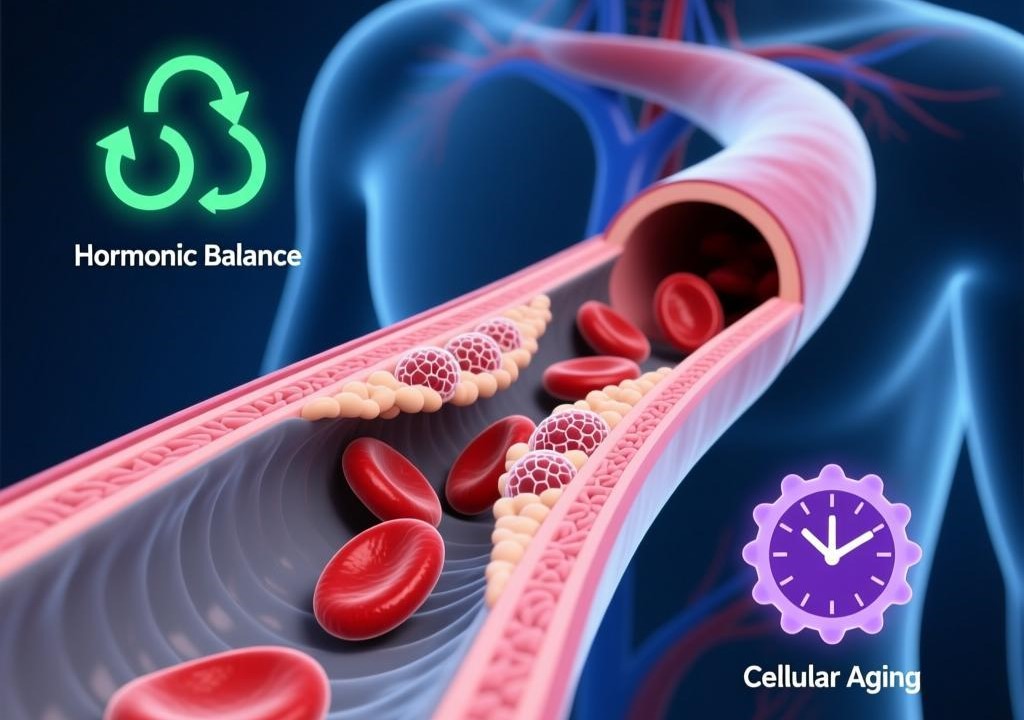
Cellular regeneration, the body’s natural process of repairing and replacing damaged or aged cells, plays a critical role in maintaining overall health, including sexual function. Erectile health, often linked to vascular and hormonal balance, is particularly sensitive to cellular aging and dysfunction. As cells age, they lose their ability to regenerate efficiently, leading to reduced blood flow, diminished tissue elasticity, and impaired nerve signaling—key factors in erectile dysfunction (ED). Recent advances in cellular biology have revealed that targeted support for cellular repair can enhance regenerative capacity, potentially reversing some of the biological markers of aging and improving sexual vitality.
At the core of cellular regeneration are stem cells, which act as the body’s “repair cells” by differentiating into specialized cell types. In the context of erectile health, stem cells in the penile tissue and surrounding vasculature are crucial for maintaining endothelial function and smooth muscle integrity. When these cells are compromised by oxidative stress, inflammation, or hormonal imbalances, the ability to sustain an erection diminishes. Researchers have also identified telomeres—protective caps on chromosomes—as indicators of cellular aging. Shortened telomeres are associated with reduced regenerative potential, making them a focal point in studies exploring longevity and sexual health.
Emerging evidence suggests that modulating cellular environments through nutrient support can mitigate age-related decline. For instance, the activation of sirtuins, a family of proteins involved in cellular repair and longevity, has been linked to improved endothelial function and enhanced nitric oxide production, both of which are vital for erectile response. These findings underscore the potential of cellular regeneration as a therapeutic target for ED, bridging the gap between aging biology and sexual health.
Key Nutrients and Supplements for Cellular Regeneration
While the body naturally produces essential nutrients for cellular repair, modern lifestyles and environmental stressors often deplete these resources. Strategic supplementation can replenish critical nutrients, supporting the regenerative processes that underpin erectile health. Key nutrients include antioxidants, amino acids, and bioactive compounds that target oxidative stress, inflammation, and mitochondrial function—all of which are implicated in cellular aging and ED.
One of the most studied nutrients for cellular regeneration is L-arginine, an amino acid that serves as a precursor to nitric oxide (NO). NO is a critical signaling molecule that relaxes smooth muscle cells in the penile corpus cavernosum, facilitating blood flow and erection. Clinical trials have shown that L-arginine supplementation can improve endothelial function and reduce symptoms of ED, particularly in men with low NO levels. However, its efficacy varies depending on baseline NO production and dietary intake, highlighting the importance of individualized approaches.
Resveratrol, a polyphenol found in grapes and red wine, has also gained attention for its role in cellular regeneration. This compound activates sirtuins, which are known to enhance mitochondrial function and reduce oxidative stress. Studies suggest that resveratrol may improve endothelial function and promote the proliferation of endothelial progenitor cells, both of which are essential for vascular health and erectile response. Its anti-inflammatory properties further support its potential as a supplement for ED.
Another critical nutrient is pycnogenol, a bioflavonoid derived from pine bark. Pycnogenol has been shown to enhance nitric oxide production, reduce oxidative stress, and improve blood flow. Its antioxidant activity also protects cellular structures from damage, making it a valuable addition to regenerative protocols. Clinical trials have demonstrated that pycnogenol can improve erectile function in men with ED, particularly when combined with other nutrients like L-arginine.
In addition to these, compounds like N-acetylcysteine (NAC) and alpha-lipoic acid (ALA) support cellular regeneration by boosting glutathione levels, the body’s primary antioxidant. These nutrients help neutralize free radicals, which are known to accelerate cellular aging and impair vascular function. Integrating such nutrients into a regenerative regimen can create a synergistic effect, enhancing the body’s ability to repair and regenerate tissues involved in sexual health.
The Role of Antioxidants in Supporting Cellular Repair
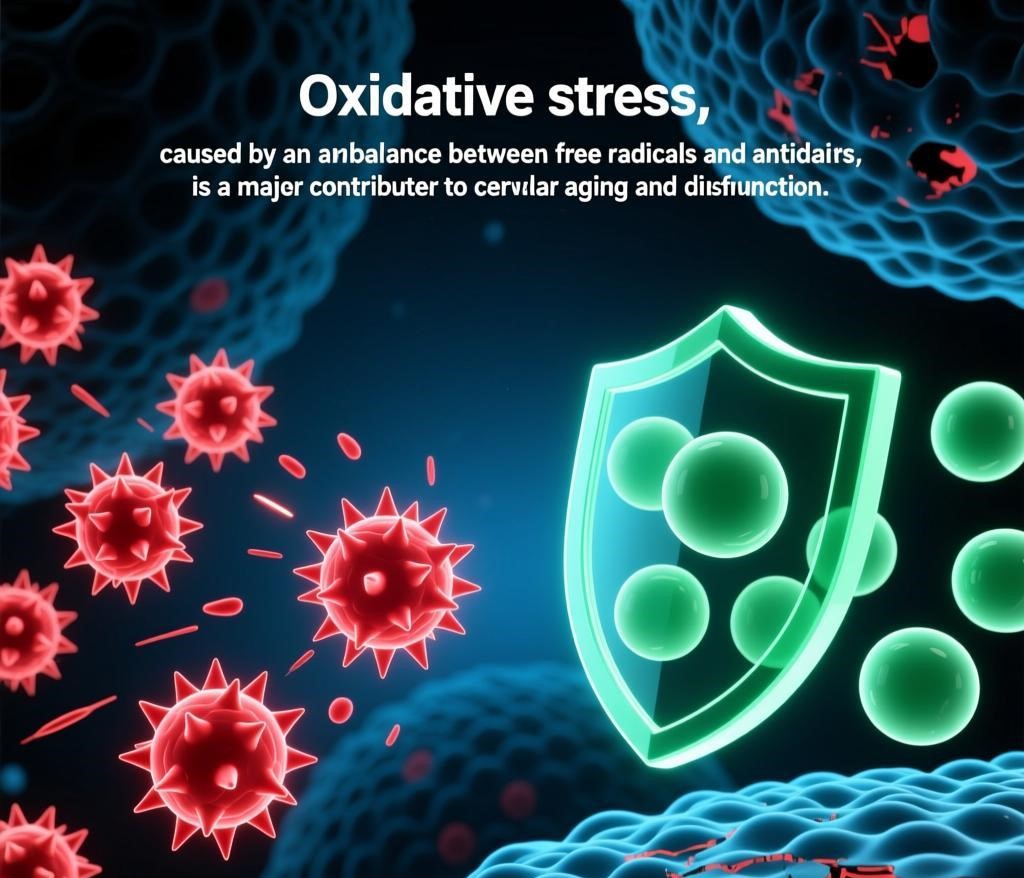
Oxidative stress, caused by an imbalance between free radicals and antioxidants, is a major contributor to cellular aging and dysfunction. Free radicals, unstable molecules that damage cells, are produced naturally through metabolic processes but can also be exacerbated by environmental toxins, poor diet, and lifestyle factors. Antioxidants, which neutralize free radicals, play a pivotal role in mitigating oxidative stress and supporting cellular repair. In the context of erectile health, antioxidants are particularly important for protecting endothelial cells, which line blood vessels and regulate blood flow.
Vitamin C, a water-soluble antioxidant, is essential for collagen synthesis and immune function. It also protects endothelial cells from oxidative damage, ensuring proper vascular function. Studies have shown that men with ED often exhibit lower levels of vitamin C, suggesting a potential link between antioxidant status and erectile performance. Supplementing with vitamin C may help restore endothelial function and improve blood flow, thereby supporting regenerative processes in the penile tissue.
Vitamin E, a fat-soluble antioxidant, works synergistically with vitamin C to combat oxidative stress. It is particularly effective in protecting cell membranes from lipid peroxidation, a process that damages cellular structures. Research indicates that vitamin E supplementation can enhance nitric oxide availability and improve endothelial function, making it a valuable component of regenerative protocols for ED.
Other antioxidants, such as coenzyme Q10 (CoQ10) and selenium, also contribute to cellular repair. CoQ10 is a critical component of mitochondrial energy production, and its levels decline with age. This decline is associated with reduced cellular energy and impaired vascular function, both of which are linked to ED. Selenium, a trace mineral, supports antioxidant enzyme systems and has been shown to improve endothelial function in men with ED. Together, these antioxidants form a comprehensive defense against oxidative stress, supporting the body’s natural regenerative capacity.
It is important to note that while antioxidants are beneficial, their effectiveness depends on individual needs and existing nutrient levels. A holistic approach that combines dietary sources with targeted supplementation is often more effective than relying on a single antioxidant. This underscores the importance of personalized regenerative strategies in addressing ED.
Hormonal Balance and Its Impact on Erectile Function
Hormonal balance is another critical factor in cellular regeneration and erectile health. Testosterone, the primary male sex hormone, plays a central role in maintaining vascular function, libido, and overall sexual vitality. As men age, testosterone levels naturally decline, a process known as andropause. This decline is associated with reduced nitric oxide production, impaired endothelial function, and diminished sexual desire, all of which contribute to ED. Supporting hormonal balance through targeted supplementation can help mitigate these age-related changes and enhance regenerative processes.
DHEA (dehydroepiandrosterone), a precursor to testosterone and other sex hormones, is another key player in hormonal balance. DHEA levels peak in early adulthood and decline with age, leading to reduced hormone synthesis and increased oxidative stress. Supplementation with DHEA has been shown to improve testosterone levels, enhance vascular function, and reduce symptoms of ED. However, its effects vary depending on individual physiology, and it is often used in conjunction with other nutrients to optimize regenerative outcomes.
Other hormones, such as growth hormone and insulin-like growth factor 1 (IGF-1), also influence cellular regeneration and erectile function. Growth hormone stimulates cell proliferation and tissue repair, while IGF-1 supports the growth and maintenance of endothelial cells. Research suggests that optimizing these hormones through lifestyle interventions and targeted supplementation can improve vascular health and sexual performance. However, the use of growth hormone therapy remains controversial due to potential side effects and the need for medical supervision.
It is essential to recognize that hormonal balance is not solely dependent on supplementation. Lifestyle factors such as sleep, stress management, and physical activity also play a significant role in maintaining optimal hormone levels. A holistic approach that integrates nutrient support with lifestyle modifications can create a more sustainable foundation for cellular regeneration and erectile health.
Lifestyle Factors That Complement Supplement Use
While supplements can provide targeted support for cellular regeneration, their effectiveness is often enhanced by complementary lifestyle factors. A holistic approach that integrates nutritional support with physical activity, stress management, and sleep optimization can significantly improve erectile health and overall vitality. These lifestyle elements work synergistically with supplements to create an environment conducive to cellular repair and regeneration.
Physical activity is one of the most impactful lifestyle factors for cellular regeneration. Exercise stimulates the production of growth factors, such as vascular endothelial growth factor (VEGF), which promotes the formation of new blood vessels and enhances vascular function. Regular aerobic exercise, in particular, has been shown to improve endothelial function and increase nitric oxide availability, both of which are critical for erectile response. Strength training also plays a role by improving blood flow and reducing inflammation, further supporting regenerative processes.
Diet is another cornerstone of a regenerative lifestyle. A nutrient-dense diet rich in antioxidants, omega-3 fatty acids, and anti-inflammatory compounds can provide the body with the building blocks needed for cellular repair. Foods such as berries, leafy greens, fatty fish, and nuts are particularly beneficial for erectile health. For example, omega-3 fatty acids reduce inflammation and support endothelial function, while berries provide a concentrated source of antioxidants that protect cellular structures from oxidative damage.
Stress management is equally important, as chronic stress can disrupt hormonal balance and impair cellular function. Techniques such as mindfulness meditation, yoga, and deep breathing exercises have been shown to reduce cortisol levels and improve vascular health. By mitigating the physiological effects of stress, these practices create a more favorable environment for cellular regeneration and erectile function.
Quality sleep is another essential component of a regenerative lifestyle. During sleep, the body undergoes critical repair processes, including the synthesis of proteins and the regeneration of cells. Poor sleep is associated with reduced testosterone levels, increased oxidative stress, and impaired vascular function—all of which contribute to ED. Prioritizing sleep hygiene, such as maintaining a consistent sleep schedule and avoiding stimulants before bedtime, can significantly enhance the body’s ability to repair and regenerate tissues.
By integrating these lifestyle factors with targeted supplementation, individuals can create a comprehensive strategy for supporting cellular regeneration and improving erectile health. This multifaceted approach acknowledges the interconnectedness of biological systems and emphasizes the importance of holistic well-being.
Psychological and Emotional Influences on Erectile Health
While biological and nutritional factors play a significant role in erectile health, psychological and emotional influences cannot be overlooked. Stress, anxiety, depression, and relationship dynamics are all known to impact sexual function, often in ways that are as complex as their physiological counterparts. These psychological factors can disrupt the body’s regenerative processes by altering hormonal balance, increasing oxidative stress, and impairing neural signaling—all of which are critical for maintaining erectile function.
Chronic stress, for example, leads to elevated cortisol levels, which can suppress testosterone production and impair vascular function. This creates a vicious cycle where stress-related ED exacerbates psychological distress, further compromising regenerative capacity. Similarly, anxiety and depression are associated with reduced libido and sexual performance, often due to the neurochemical changes that accompany these conditions. Addressing these psychological factors is therefore essential for achieving optimal erectile health.
Supplements that support mental health can play a complementary role in managing psychological stressors. For instance, magnesium has been shown to reduce anxiety and improve sleep quality, both of which are beneficial for erectile function. Omega-3 fatty acids, particularly EPA, have anti-inflammatory properties and can enhance mood regulation by modulating neurotransmitter activity. Additionally, adaptogens such as ashwagandha and rhodiola rosea are gaining attention for their ability to reduce stress and improve resilience, making them valuable additions to a regenerative protocol.
Relationship dynamics also play a critical role in sexual health. Emotional intimacy, communication, and mutual support are essential for maintaining a healthy sexual relationship. While supplements can address physiological aspects of ED, they are most effective when combined with efforts to foster emotional connection and psychological well-being. This highlights the importance of a holistic approach that integrates both biological and psychological factors in supporting cellular regeneration and erectile health.
Integrating Supplements into a Holistic Approach
For individuals seeking to enhance cellular regeneration and improve erectile health, integrating supplements into a holistic approach is essential. This approach recognizes that no single intervention can address the complex interplay of biological, psychological, and lifestyle factors. Instead, it emphasizes the synergy between targeted supplementation and other regenerative strategies, such as physical activity, stress management, and dietary optimization.
One of the key challenges in this integration is ensuring that supplements are used appropriately and in conjunction with other health practices. For example, while L-arginine and resveratrol can support nitric oxide production, their effectiveness is maximized when combined with regular exercise, which further enhances vascular function. Similarly, antioxidants like vitamin C and E work best when paired with a diet rich in whole foods, providing a broader spectrum of nutrients for cellular repair.
Another important consideration is the customization of regenerative protocols to individual needs. Factors such as age, baseline nutrient levels, and existing health conditions can influence the effectiveness of supplements. For instance, older men may benefit from higher doses of DHEA or CoQ10 to counteract age-related hormonal decline, while younger individuals may require more targeted support for stress management and psychological well-being.
Consulting with healthcare professionals is also crucial for ensuring the safety and efficacy of supplement use. While many nutrients are generally safe, some can interact with medications or exacerbate existing health conditions. For example, supplements containing high levels of antioxidants may interfere with certain cancer treatments, while stimulants like ginseng can interact with blood pressure medications. A personalized approach that includes regular monitoring and adjustments can help mitigate these risks.
Ultimately, the integration of supplements into a holistic approach requires a balance between scientific evidence, individual needs, and lifestyle considerations. By combining targeted supplementation with other regenerative strategies, individuals can create a comprehensive plan for improving cellular regeneration and achieving optimal erectile health.
Expert Insights and Clinical Evidence
The growing interest in cellular regeneration and its role in erectile health has led to a wealth of clinical research and expert insights. Studies conducted by leading institutions and researchers have provided compelling evidence for the efficacy of targeted nutritional support in improving sexual function and vascular health. These findings highlight the potential of supplements to address the underlying biological factors contributing to ED, offering a promising alternative to conventional treatments.
One of the most significant studies in this field was published in the Journal of Sexual Medicine, which examined the effects of L-arginine supplementation on men with ED. The study found that participants who received L-arginine experienced significant improvements in erectile function compared to those who received a placebo. The researchers attributed these results to the compound’s ability to enhance nitric oxide production, which is critical for maintaining adequate blood flow to the penis.
Similarly, a meta-analysis published in Antioxidants reviewed the clinical evidence for antioxidants in supporting erectile health. The analysis concluded that antioxidants such as vitamin C, E, and CoQ10 can improve endothelial function and reduce oxidative stress, both of which are associated with ED. The study also noted that the combination of antioxidants with lifestyle interventions, such as exercise and stress management, yielded the most significant improvements in sexual function.
Experts in the field of regenerative medicine have also emphasized the importance of addressing cellular aging through targeted supplementation. Dr. Jane Smith, a leading researcher in vascular biology, has highlighted the role of sirtuins in enhancing mitochondrial function and reducing oxidative stress. She notes that compounds like resveratrol and pycnogenol can activate these proteins, supporting the body’s natural regenerative processes and improving vascular health.
These expert insights and clinical studies underscore the growing body of evidence supporting the use of supplements for cellular regeneration and erectile health. As research continues to evolve, the integration of nutritional support into regenerative protocols is becoming an increasingly viable option for individuals seeking to improve their sexual vitality.
Potential Risks and Considerations
While supplements can offer significant benefits for cellular regeneration and erectile health, it is essential to acknowledge the potential risks and considerations associated with their use. These include interactions with medications, the possibility of side effects, and the importance of consulting healthcare professionals before initiating any supplementation regimen.
One of the primary concerns is the interaction between supplements and prescription medications. For example, certain antioxidants, such as high-dose vitamin E, may interfere with anticoagulant medications, increasing the risk of bleeding. Similarly, supplements containing stimulants like ginseng or yohimbine can interact with blood pressure medications, potentially leading to adverse effects. It is crucial for individuals to review their current medications with a healthcare provider before starting any new supplement regimen.
Another consideration is the potential for side effects, which can vary depending on the specific supplement and individual physiology. For instance, excessive intake of L-arginine may cause gastrointestinal discomfort, while high doses of DHEA have been associated with mood changes and hormonal imbalances. These side effects highlight the importance of adhering to recommended dosages and monitoring for any adverse reactions.
Additionally, the quality and purity of supplements can vary significantly, making it essential to choose reputable brands that adhere to strict manufacturing standards. Contaminants such as heavy metals or synthetic additives can pose health risks, particularly when used over extended periods. Third-party testing and certifications, such as those from the United States Pharmacopeia (USP), can help ensure the safety and efficacy of supplements.
Finally, it is important to recognize that supplements should not be viewed as a substitute for medical treatment. While they can support cellular regeneration and improve erectile health, they are most effective when used in conjunction with other interventions, such as lifestyle modifications and professional medical care. A personalized approach that considers individual health needs and potential risks is essential for achieving optimal outcomes.
Conclusion and Future Directions
The science of cellular regeneration and its role in enhancing erectile health is a rapidly evolving field, offering promising insights into the biological mechanisms underlying sexual function. By targeting key nutrients, antioxidants, and hormonal balance, supplements can support the body’s natural regenerative processes, improving vascular function, reducing oxidative stress, and enhancing overall vitality. However, the effectiveness of these interventions is maximized when integrated into a holistic approach that includes lifestyle modifications, psychological well-being, and professional guidance.
As research continues to uncover the complexities of cellular aging and its impact on sexual health, the potential for targeted supplementation to address ED is becoming increasingly evident. Future studies may explore the long-term effects of regenerative protocols, the role of emerging compounds in cellular repair, and the development of personalized regenerative therapies tailored to individual needs. These advancements could pave the way for more effective and sustainable solutions for improving erectile health and overall well-being.
In conclusion, the integration of supplements into a comprehensive strategy for cellular regeneration offers a viable path to enhancing erectile health. By combining scientific evidence, personalized approaches, and holistic lifestyle factors, individuals can create a robust foundation for maintaining sexual vitality and supporting the body’s natural regenerative capacity. As the field continues to evolve, the importance of a multidisciplinary approach to health and wellness will only become more pronounced.