Traditional Medicine Perspectives on Natural Herbs for Erectile Dysfunction
Throughout history, various cultures have utilized natural herbs to address sexual health issues, including erectile dysfunction (ED). Traditional medicine systems such as Ayurveda, Traditional Chinese Medicine (TCM), and Native American practices have long incorporated specific herbs to enhance vitality, circulation, and overall well-being. These herbal remedies are often rooted in centuries of empirical observation and holistic healing principles, emphasizing the interconnectedness of physical, mental, and spiritual health. For instance, Ayurvedic medicine has traditionally used herbs like Ginseng and Ashwagandha to balance the body’s energies and improve sexual function. Similarly, TCM has relied on Ginkgo biloba and Goji berries to enhance blood flow and vitality. These traditional approaches highlight the importance of natural remedies in addressing ED, often as part of a broader strategy to restore harmony within the body.
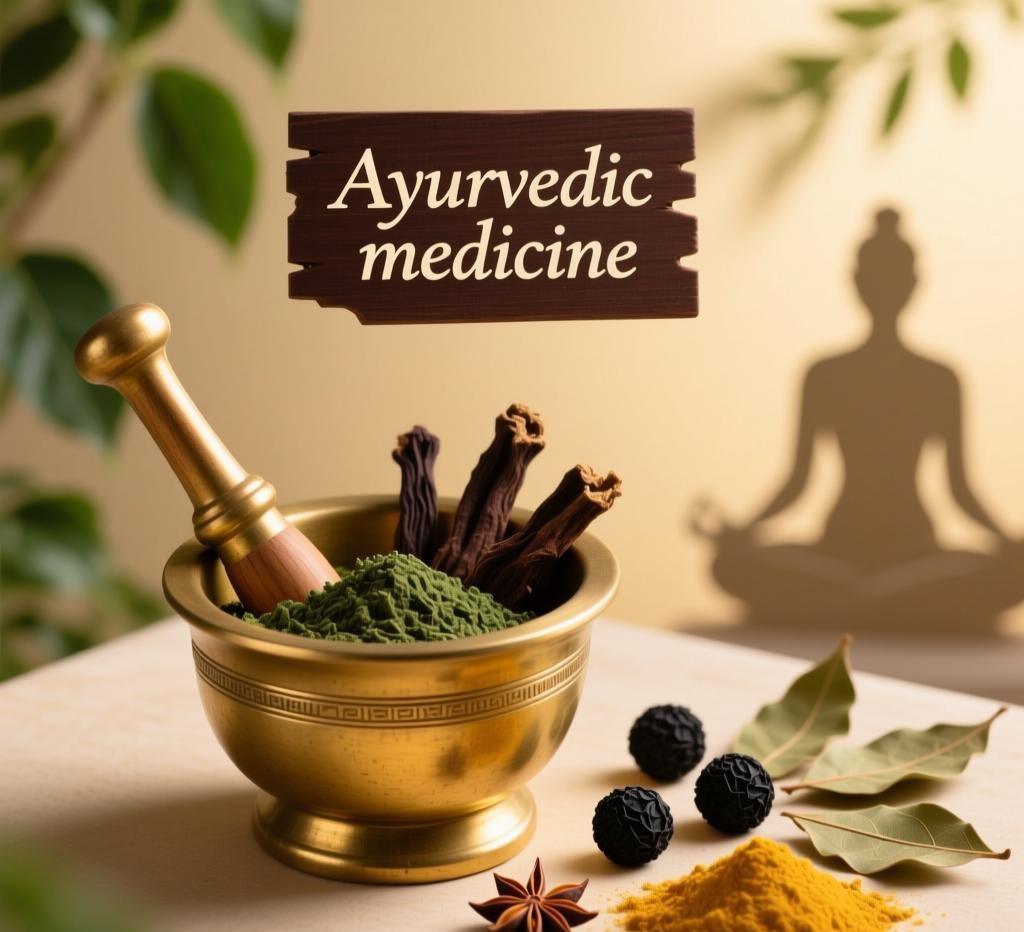
One of the most well-known herbs in traditional medicine for ED is Ginseng, which has been used for thousands of years in East Asian cultures. In Chinese medicine, ginseng is considered a “tonic” that strengthens the kidneys and improves energy levels, both of which are believed to support sexual health. Similarly, in Ayurveda, ginseng is classified as a rasayana (rejuvenator) that enhances vitality and longevity. The herb is thought to stimulate the production of nitric oxide, which relaxes blood vessels and improves circulation—a mechanism that aligns with modern scientific understanding of ED. Another traditional herb, Ashwagandha, has been used in Ayurveda to reduce stress and anxiety, which are often underlying factors in ED. By modulating the body’s stress response and improving hormonal balance, ashwagandha may indirectly support sexual function.
Native American traditions also offer insights into the use of natural herbs for ED. For example, the Yohimbe tree, native to West Africa, has been used by indigenous communities for centuries to enhance libido and sexual performance. Yohimbe contains alkaloids that act as vasodilators, promoting blood flow to the genital area. While yohimbe is more commonly associated with modern herbal supplements, its traditional use underscores the historical recognition of its potential benefits. Similarly, Ginkgo biloba, which has been used in Chinese medicine for centuries, is believed to improve circulation and cognitive function. Its ability to enhance blood flow may make it a valuable herb for addressing ED, particularly in cases where poor circulation is a contributing factor.
Other traditional herbs, such as Maca and Shilajit, have also been used to support sexual health. Maca, a root vegetable native to the Andes, has been traditionally consumed to boost energy and libido. Modern research suggests that maca may influence hormone levels and improve sexual function, though more studies are needed to confirm these effects. Shilajit, a mineral-rich resin used in Ayurveda, is believed to enhance vitality and stamina, making it a popular remedy for sexual health. These examples illustrate how traditional medicine has long recognized the potential of natural herbs to address ED, often through mechanisms that align with contemporary scientific understanding.
While traditional medicine provides a rich foundation for understanding the use of herbs for ED, it is important to note that these practices are often based on anecdotal evidence and holistic principles rather than rigorous clinical trials. However, their historical significance and widespread use across cultures highlight the enduring belief in the efficacy of natural remedies for sexual health. As modern science continues to explore the pharmacological properties of these herbs, the synergy between traditional wisdom and contemporary research offers promising avenues for addressing ED through natural means.
Modern Scientific Research on Natural Herbs for Erectile Dysfunction
Recent advancements in scientific research have provided deeper insights into the mechanisms by which natural herbs can improve erectile function. Studies conducted in laboratories and clinical settings have sought to validate the traditional use of herbs like Ginseng, Ashwagandha, and Ginkgo biloba by examining their biochemical effects on the body. These investigations have focused on how these herbs influence nitric oxide production, hormone regulation, and blood flow—key factors in maintaining healthy erectile function. Additionally, researchers have explored the potential of herbs such as Maca and Yohimbe to address ED through their impact on neurotransmitters and vascular health.
One of the most extensively studied herbs for ED is Ginseng, particularly Asian ginseng (Panax ginseng). Clinical trials have shown that ginseng can improve erectile function by enhancing nitric oxide production, which relaxes blood vessels and increases blood flow to the penis. A 2013 meta-analysis published in the Journal of Sexual Medicine reviewed multiple studies and found that ginseng supplementation led to significant improvements in erectile hardness and sexual satisfaction. The herb’s ability to modulate the hypothalamic-pituitary-gonadal axis, which regulates testosterone levels, may also contribute to its effectiveness in treating ED. However, researchers caution that individual responses to ginseng can vary, and more long-term studies are needed to establish its optimal dosage and safety profile.
Similarly, Ashwagandha has gained attention in modern research for its potential to reduce stress and improve sexual function. As an adaptogen, ashwagandha helps the body manage stress by regulating cortisol levels, which can indirectly support sexual health. A 2016 study published in the Journal of Ethnopharmacology found that ashwagandha supplementation led to significant improvements in sexual function in men with ED. The study suggested that ashwagandha may enhance testosterone levels and reduce oxidative stress, both of which are important for maintaining erectile function. However, the researchers emphasized the need for larger, randomized controlled trials to confirm these findings and determine the herb’s efficacy in diverse populations.
Ginkgo biloba is another herb that has been the subject of scientific investigation for its potential role in improving ED. Ginkgo is known for its ability to enhance blood flow by dilating blood vessels and reducing platelet aggregation. A 2017 study published in the International Journal of Impotence Research explored the effects of ginkgo biloba on men with ED and found that it improved erectile function, particularly in those with vascular causes of the condition. The study attributed these benefits to ginkgo’s antioxidant properties and its ability to improve microcirculation. However, the researchers noted that the evidence is still preliminary, and more research is needed to determine the herb’s long-term efficacy and safety.
Other herbs, such as Maca, have also been studied for their potential to address ED. Maca, a root vegetable native to the Andes, has been traditionally used to enhance libido and energy levels. A 2010 study published in the Andrologia journal found that maca supplementation improved sexual function in men with ED. The study suggested that maca may influence hormone levels, particularly by increasing testosterone and improving sperm quality. However, the researchers noted that the study’s sample size was relatively small, and more research is needed to confirm these findings. Similarly, Yohimbe, an alkaloid derived from the bark of the Psychotria viridis tree, has been studied for its ability to act as a vasodilator. A 2017 review in the Journal of Sexual Medicine highlighted yohimbe’s potential to improve erectile function by increasing blood flow to the penis, although the review also warned of its potential side effects, such as increased heart rate and anxiety.
While these studies provide promising evidence for the use of natural herbs in treating ED, it is important to recognize that the results are often mixed or inconclusive. Factors such as study design, sample size, and individual variability can influence the outcomes of these trials. Additionally, the mechanisms by which these herbs exert their effects are still being explored, and more research is needed to fully understand their therapeutic potential. Nonetheless, the growing body of scientific literature suggests that natural herbs may offer a viable complementary approach to managing ED, particularly for individuals seeking alternatives to conventional treatments.
Integrating Natural Herbs into a Holistic Lifestyle for Erectile Dysfunction
While natural herbs can play a significant role in improving erectile function, their effectiveness is often enhanced when integrated into a holistic lifestyle that includes diet, exercise, and mental well-being. Erectile dysfunction is a multifaceted condition influenced by physical, psychological, and lifestyle factors, making a comprehensive approach essential for long-term improvement. By combining herbal remedies with healthy habits, individuals can create a supportive environment for sexual health and overall vitality. This section explores how natural herbs can be effectively incorporated into a lifestyle that promotes better erectile function and overall well-being.
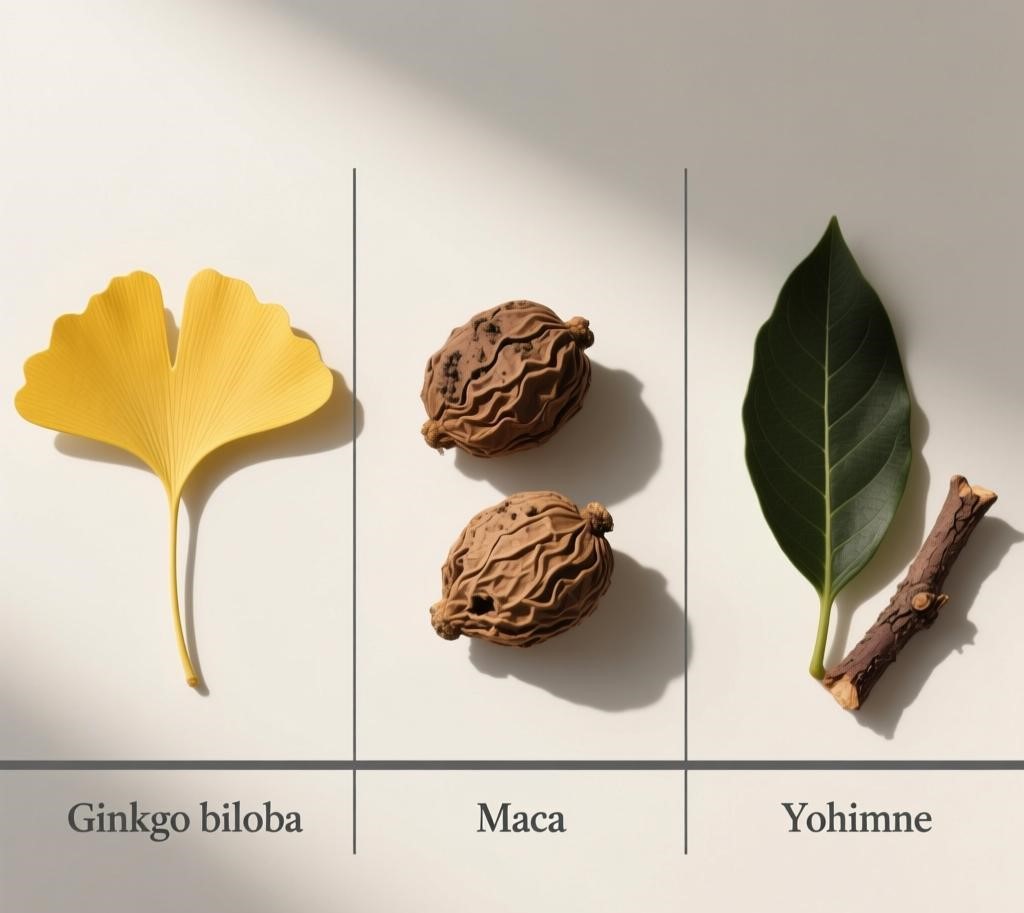
One of the most critical aspects of a holistic approach to ED is maintaining a balanced diet that supports cardiovascular health. Since poor circulation is a common underlying cause of ED, consuming foods rich in antioxidants, omega-3 fatty acids, and other nutrients can help improve blood flow and reduce inflammation. Natural herbs such as Ginkgo biloba and Ginseng can complement a nutrient-dense diet by enhancing circulation and energy levels. For example, ginkgo biloba is often paired with foods high in vitamin C, such as citrus fruits and leafy greens, to maximize its antioxidant benefits. Similarly, ginseng is frequently used in conjunction with a diet rich in whole grains, lean proteins, and healthy fats to support overall vitality. These dietary combinations not only reinforce the effects of herbal supplements but also contribute to long-term sexual health.
Regular physical activity is another cornerstone of a holistic lifestyle for managing ED. Exercise improves cardiovascular health, enhances blood flow, and reduces stress, all of which are crucial for maintaining sexual function. When combined with natural herbs, exercise can amplify the benefits of herbal supplementation. For instance, Ashwagandha is often recommended alongside aerobic exercises such as walking, swimming, or cycling to reduce stress and improve endurance. Similarly, Maca is frequently used in conjunction with strength training to boost energy levels and enhance physical performance. These integrations not only support the body’s physiological functions but also contribute to a sense of well-being that is essential for sexual health.
Mental and emotional well-being also play a vital role in the management of ED. Stress, anxiety, and depression are known to negatively impact sexual function, making psychological support an integral part of a holistic approach. Natural herbs like Ashwagandha and Ginseng are particularly effective in addressing these psychological factors. Ashwagandha, with its adaptogenic properties, helps the body manage stress by regulating cortisol levels, which can improve mood and reduce anxiety. Ginseng, on the other hand, is known to enhance mental clarity and energy levels, making it a valuable supplement for individuals experiencing fatigue or low motivation. When combined with mindfulness practices such as meditation, yoga, or cognitive-behavioral therapy (CBT), these herbs can create a synergistic effect that supports both physical and mental health.
Another important aspect of a holistic lifestyle is the cultivation of healthy relationships and communication. Erectile dysfunction can strain personal relationships, leading to feelings of isolation or frustration. By fostering open communication and emotional intimacy, individuals can create a supportive environment that promotes sexual health. Natural herbs such as Ginseng and Yohimbe can be used to enhance confidence and libido, which can help individuals feel more connected and engaged in their relationships. However, it is important to note that herbs should not be viewed as a substitute for emotional and relational support. Instead, they should be used as part of a broader strategy that includes addressing the emotional and psychological dimensions of ED.
Finally, a holistic approach to managing ED should include regular health check-ups and consultations with healthcare professionals. While natural herbs can offer significant benefits, they should not be used in isolation without proper guidance. A healthcare provider can help determine the most appropriate combination of herbs, lifestyle changes, and other interventions based on an individual’s unique health profile. For example, a doctor may recommend a specific dosage of Ginkgo biloba while also advising on the importance of managing conditions such as diabetes or hypertension, which can contribute to ED. This collaborative approach ensures that individuals receive comprehensive care that addresses all aspects of their health.
Safety and Considerations for Using Natural Herbs for Erectile Dysfunction
While natural herbs offer promising benefits for managing erectile dysfunction (ED), their use requires careful consideration to ensure safety and efficacy. Unlike pharmaceutical medications, which are typically standardized and rigorously tested, herbal supplements can vary in potency, quality, and potential interactions. Therefore, it is essential to approach the use of natural herbs for ED with a clear understanding of their risks, benefits, and appropriate usage. This section provides a comprehensive overview of the safety considerations associated with herbal treatments for ED, including potential interactions, dosage guidelines, and the importance of professional consultation.
One of the primary concerns when using natural herbs for ED is the potential for interactions with other medications. Many herbs can influence the metabolism of prescription drugs, leading to unintended side effects or reduced effectiveness. For example, Ginseng may interact with anticoagulant medications such as warfarin, increasing the risk of bleeding. Similarly, Ashwagandha can affect the liver enzymes responsible for metabolizing certain drugs, potentially altering their concentration in the bloodstream. Individuals taking medications for conditions such as hypertension, diabetes, or depression should consult their healthcare provider before incorporating herbal supplements into their regimen. A healthcare professional can assess potential interactions and recommend adjustments to dosages or treatment plans as needed.
Another important consideration is the quality and purity of herbal supplements. Unlike pharmaceutical drugs, which are subject to strict regulatory oversight, herbal products are often produced with varying standards of quality control. Contamination with heavy metals, pesticides, or other harmful substances is a potential risk, particularly with products sourced from unreliable manufacturers. To minimize these risks, individuals should choose herbal supplements from reputable brands that adhere to good manufacturing practices (GMP) and provide third-party testing results. Additionally, looking for certifications such as USP (United States Pharmacopeia) or NSF International can help ensure the safety and potency of the product.
Proper dosage and duration of use are also critical factors in the safe and effective use of natural herbs for ED. While some herbs may show benefits with low doses, others may require higher amounts to achieve therapeutic effects. For instance, Ginkgo biloba is typically taken in doses ranging from 120 to 240 mg per day, while Maca is often consumed in amounts between 500 to 1,000 mg daily. However, exceeding recommended dosages can lead to adverse effects such as gastrointestinal discomfort, insomnia, or increased heart rate. It is important to follow the manufacturer’s guidelines or consult a healthcare professional to determine the appropriate dosage based on individual health needs and goals.
Additionally, the long-term safety of herbal supplements for ED is still an area of ongoing research. While many herbs have been used for centuries in traditional medicine, their effects over extended periods are not always well-documented. For example, the use of Yohimbe has been associated with potential side effects such as increased heart rate, anxiety, and hallucinations, particularly when taken in high doses. Similarly, prolonged use of Ginseng may lead to dependency or tolerance, reducing its effectiveness over time. Individuals considering long-term herbal treatment for ED should monitor their symptoms and consult with a healthcare provider to assess the need for adjustments in their regimen.
Finally, the importance of professional consultation cannot be overstated when using natural herbs for ED. A healthcare provider can help individuals evaluate their specific health conditions, identify potential risks, and develop a personalized treatment plan. This is particularly important for individuals with underlying health conditions such as heart disease, liver disorders, or hormonal imbalances, which may interact with herbal supplements in complex ways. A healthcare provider can also recommend complementary therapies or lifestyle changes that may enhance the effectiveness of herbal treatments while minimizing potential risks.
Complementary Approaches to Enhancing Sexual Health Through Natural Herbs
While natural herbs can be a powerful tool in addressing erectile dysfunction (ED), they are most effective when used as part of a broader strategy that includes complementary approaches to sexual health. These approaches may include lifestyle modifications, psychological support, and integrative medicine techniques that work synergistically with herbal treatments to enhance overall well-being. By combining natural herbs with other therapeutic interventions, individuals can create a comprehensive plan that addresses the multifaceted nature of ED and promotes long-term sexual health.
One of the most effective complementary approaches to using natural herbs for ED is the integration of lifestyle changes that support cardiovascular health. Since poor circulation is a common underlying cause of ED, adopting a heart-healthy lifestyle can significantly improve sexual function. This includes maintaining a balanced diet rich in fruits, vegetables, whole grains, and lean proteins, as well as engaging in regular physical activity. Natural herbs such as Ginkgo biloba and Ginseng can be used to enhance the benefits of these lifestyle changes by improving blood flow and energy levels. For example, ginkgo biloba is often paired with a diet high in antioxidants to maximize its vascular benefits, while ginseng can be combined with aerobic exercise to boost endurance and stamina.
Psychological and emotional well-being also play a crucial role in the management of ED, making mental health support an essential complementary approach. Stress, anxiety, and depression are known to negatively impact sexual function, and addressing these psychological factors can significantly improve erectile health. Natural herbs such as Ashwagandha and Yohimbe can be used to support mental well-being by reducing stress and enhancing libido. However, these herbs should be combined with other psychological interventions such as counseling, mindfulness practices, or cognitive-behavioral therapy (CBT) to achieve optimal results. For instance, ashwagandha can be used alongside CBT to help individuals manage anxiety-related ED, while yohimbe may be paired with relaxation techniques to reduce performance anxiety.
Integrative medicine techniques, such as acupuncture and herbal synergy, offer additional complementary approaches to enhancing sexual health. Acupuncture, a practice rooted in Traditional Chinese Medicine (TCM), has been shown to improve blood flow and reduce stress, both of which are beneficial for ED. When combined with natural herbs like Ginseng or Maca, acupuncture can enhance their therapeutic effects by promoting overall vitality and energy levels. Similarly, the concept of herbal synergy—where multiple herbs are used together to achieve a more comprehensive effect—can be applied to ED treatment. For example, combining Ginkgo biloba with Ashwagandha may provide a dual benefit by improving circulation and reducing stress, creating a more holistic approach to sexual health.
Another important complementary approach is the use of natural supplements that support hormonal balance and sexual function. While herbs like Ginseng and Maca can influence hormone levels, other supplements such as Omega-3 fatty acids and Vitamin D may also play a role in improving ED. Omega-3 fatty acids, found in foods like fish and flaxseeds, have anti-inflammatory properties that can enhance vascular health, while Vitamin D is essential for testosterone production. These supplements can be used in conjunction with herbal treatments to create a more balanced and comprehensive approach to sexual health.
Finally, the importance of regular health check-ups and professional guidance cannot be overstated when using complementary approaches to enhance sexual health. A healthcare provider can help individuals determine the most appropriate combination of herbs, supplements, and lifestyle changes based on their unique health profile. This is particularly important for individuals with underlying health conditions that may interact with herbal treatments. By working closely with healthcare professionals, individuals can ensure that their complementary approaches are safe, effective, and tailored to their specific needs.
Conclusion: Embracing Natural Herbs for a Holistic Approach to Erectile Dysfunction
The journey to improving erectile function through natural herbs is a multifaceted one that requires a holistic approach. From the wisdom of traditional medicine to the insights of modern scientific research, natural herbs have demonstrated potential in addressing the underlying causes of ED. However, their effectiveness is not limited to their individual properties; it is amplified when integrated into a comprehensive lifestyle that includes diet, exercise, mental well-being, and professional guidance. This synergy between natural herbs and complementary approaches underscores the importance of viewing ED as a condition that affects the entire body, rather than just the genital area.
As individuals explore the use of natural herbs for ED, it is crucial to prioritize safety and personalization. While herbs like Ginseng, Ashwagandha, and Ginkgo biloba have shown promise in clinical studies, their use should be guided by an understanding of potential interactions, proper dosages, and individual health needs. Consulting with healthcare professionals ensures that these herbs are used in a way that complements existing treatments and supports overall well-being. Additionally, the integration of lifestyle changes such as regular physical activity, a balanced diet, and mental health support can create a more robust foundation for sexual health.
Ultimately, the use of natural herbs for ED is not a one-size-fits-all solution. It is a personalized journey that requires patience, self-awareness, and a commitment to holistic health. By embracing the wisdom of traditional practices, the findings of modern research, and the power of complementary approaches, individuals can take meaningful steps toward improving their sexual health and overall quality of life. With the right knowledge, guidance, and dedication, natural herbs can become a valuable tool in the quest for a healthier, more fulfilling life.