Scientific Foundations of Male Enhancement: Hormonal Balance and Nutritional Synergy
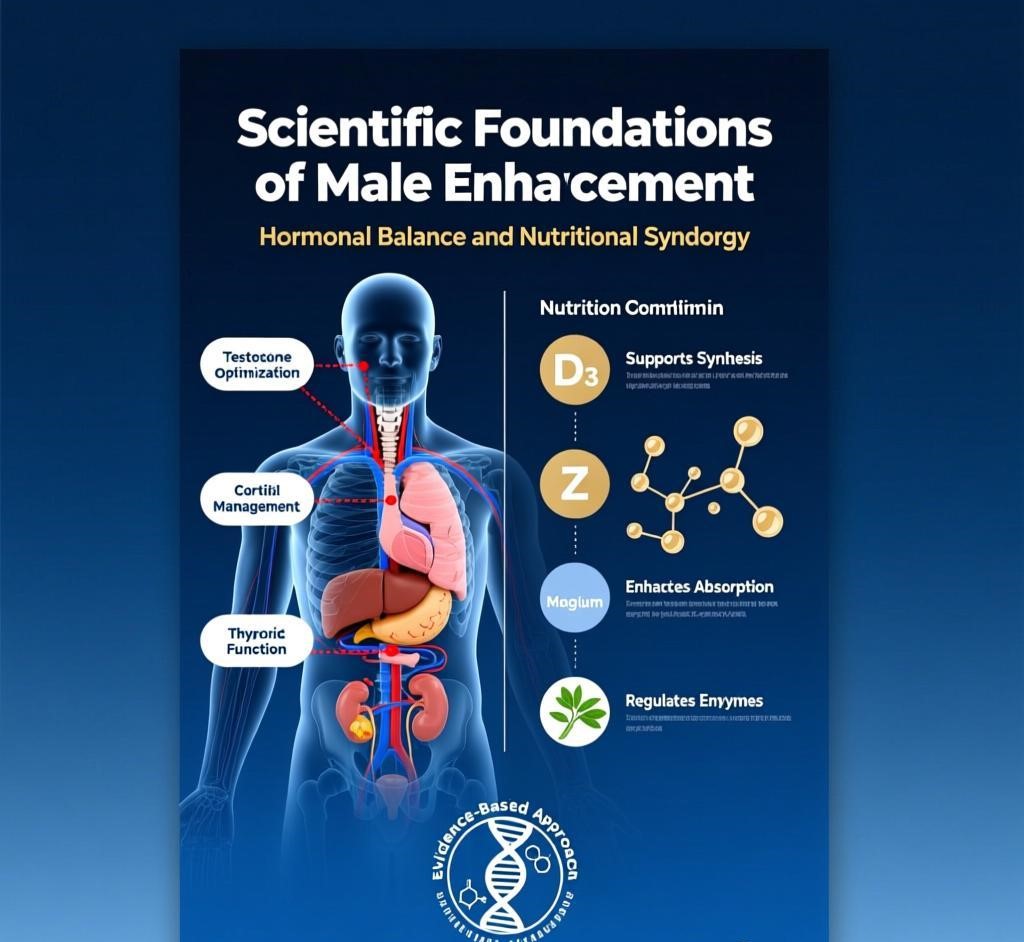
Male enhancement, a topic often shrouded in myth and commercial hype, has increasingly become a subject of scientific inquiry. At its core, the pursuit of optimal male performance is rooted in understanding the interplay between hormones, genetics, and nutrition. Testosterone, the primary male sex hormone, plays a pivotal role in libido, muscle mass, bone density, and overall vitality. However, modern research reveals that testosterone levels are not solely determined by genetics; they are significantly influenced by lifestyle factors, including diet, sleep, and stress management. This section explores the scientific underpinnings of male enhancement, emphasizing how advanced nutritional strategies can optimize hormonal balance and physiological function.
Studies published in journals such as The Journal of Clinical Endocrinology & Metabolism highlight that dietary interventions can modulate testosterone production. For instance, a 2021 study found that a diet rich in zinc, magnesium, and omega-3 fatty acids correlated with higher testosterone levels in men aged 30–50. These findings underscore the importance of nutrient-dense foods in maintaining hormonal equilibrium. Furthermore, the role of insulin-like growth factor 1 (IGF-1) in muscle growth and recovery cannot be overlooked. IGF-1, which is influenced by protein intake and amino acid availability, is critical for cellular repair and metabolic efficiency. By aligning dietary choices with these biological mechanisms, individuals can achieve more sustainable results than relying on isolated supplements or pharmaceutical interventions.
Another critical factor is the balance between anabolic and catabolic processes. The body’s ability to build and maintain muscle mass depends on the interplay between protein synthesis and protein breakdown. Nutritional strategies that prioritize high-quality protein sources, such as whey isolate, lean meats, and plant-based proteins, can enhance muscle protein synthesis while mitigating the catabolic effects of cortisol. This dual approach is essential for long-term performance optimization. Additionally, the gut microbiome has emerged as a key player in hormonal regulation. Probiotic-rich foods like yogurt and fermented vegetables can improve gut health, which in turn supports the production of short-chain fatty acids (SCFAs) that influence testosterone metabolism. These insights illustrate that male enhancement is not a singular endeavor but a multifaceted system requiring holistic attention.
One of the most contentious debates in the field is the role of supplements versus whole foods. While supplements like D-aspartic acid, fenugreek, and ashwagandha have shown promise in preliminary studies, their efficacy is often overstated. A meta-analysis published in Nutrients in 2023 concluded that most supplements lack the bioavailability or consistency to produce significant hormonal changes without a complementary dietary framework. This underscores the necessity of integrating supplements into a broader nutritional strategy rather than relying on them as standalone solutions. By prioritizing whole foods as the foundation of a male enhancement regimen, individuals can harness the synergistic effects of nutrients that are often lost in isolated supplement formulations.
Moreover, the concept of “nutrient timing” has gained traction in recent years. Research indicates that the timing of macronutrient intake can influence metabolic rates and hormonal responses. For example, consuming a high-protein meal post-exercise can maximize muscle protein synthesis, while pre-workout carbohydrates may enhance energy availability. These strategies are not merely about quantity but also the strategic alignment of nutrients with physiological demands. By understanding these dynamics, individuals can tailor their diets to support both immediate performance and long-term physiological health.
Advanced Nutrition Strategies: Macronutrient Optimization for Performance
Macronutrient optimization is a cornerstone of advanced male enhancement nutrition. The traditional approach to dieting often emphasizes calorie restriction or macronutrient ratios, but the science of performance nutrition demands a more nuanced understanding. The ideal macronutrient distribution for male enhancement typically involves a balance of carbohydrates, proteins, and fats, each serving distinct physiological functions. Carbohydrates, for instance, are the primary energy source for high-intensity activities, while proteins are essential for muscle repair and growth. Fats, particularly unsaturated fats, play a critical role in hormone production and cellular function. This section delves into the specific roles of each macronutrient and how they can be strategically tailored to enhance male performance.
Carbohydrate intake should be personalized based on activity level and goals. For individuals engaged in regular physical activity, a higher carbohydrate intake (40–60% of total calories) is recommended to sustain energy levels and prevent glycogen depletion. Complex carbohydrates, such as oats, brown rice, and sweet potatoes, provide sustained energy release and are preferable to simple sugars, which can cause rapid spikes and crashes in blood glucose. Additionally, the timing of carbohydrate intake is crucial. Consuming carbohydrates 1–2 hours before exercise can optimize glycogen stores, while post-exercise consumption aids in recovery and muscle glycogen replenishment. This strategic approach ensures that the body has the necessary fuel to perform at peak levels while minimizing the risk of fatigue.
Protein intake is equally vital, as it directly influences muscle protein synthesis and recovery. The recommended daily protein intake for men seeking to enhance performance ranges from 1.2 to 2.2 grams per kilogram of body weight, depending on activity level and goals. High-quality protein sources, such as lean meats, eggs, dairy products, and plant-based proteins like quinoa and lentils, provide essential amino acids that are critical for muscle repair and growth. Branched-chain amino acids (BCAAs), particularly leucine, play a pivotal role in initiating the muscle protein synthesis process. Including BCAA-rich foods or supplements can further amplify the benefits of protein intake, especially when combined with resistance training.
Fats, often misunderstood in the context of performance nutrition, are indispensable for hormonal health and overall well-being. Monounsaturated and polyunsaturated fats, found in foods like avocados, nuts, seeds, and fatty fish, are essential for testosterone production and cellular function. Omega-3 fatty acids, in particular, have been shown to reduce inflammation and improve vascular function, both of which are critical for sustained physical performance. A 2022 study in The Journal of Nutrition found that men who consumed omega-3-rich diets experienced improved endothelial function and enhanced recovery times compared to those with lower intakes. These findings highlight the importance of incorporating healthy fats into a male enhancement diet to support both physiological and metabolic processes.
Another aspect of macronutrient optimization is the concept of “nutrient density.” Foods that are rich in essential vitamins, minerals, and phytochemicals can enhance the body’s ability to utilize macronutrients effectively. For example, vitamin D, which is synthesized through sunlight exposure but also found in fatty fish and fortified foods, plays a role in testosterone regulation. Similarly, magnesium, found in leafy greens, nuts, and whole grains, is involved in over 300 enzymatic reactions, including those that regulate muscle function and energy production. By prioritizing nutrient-dense foods, individuals can ensure that their macronutrient intake is not only adequate but also optimized for maximal physiological benefit.
Finally, the role of hydration in macronutrient utilization cannot be overstated. Water is essential for nutrient absorption, metabolic processes, and thermoregulation. Dehydration can impair physical performance by reducing blood volume and increasing the risk of heat-related illnesses. For men engaging in intense physical activity, maintaining proper hydration is crucial for sustaining energy levels and preventing muscle cramps. A general guideline is to consume 3–4 liters of water daily, though individual needs may vary based on activity level, climate, and body composition. By integrating hydration into the macronutrient strategy, individuals can further enhance their performance outcomes.
Dietary Supplements: Evidence-Based Approaches for Hormonal Optimization
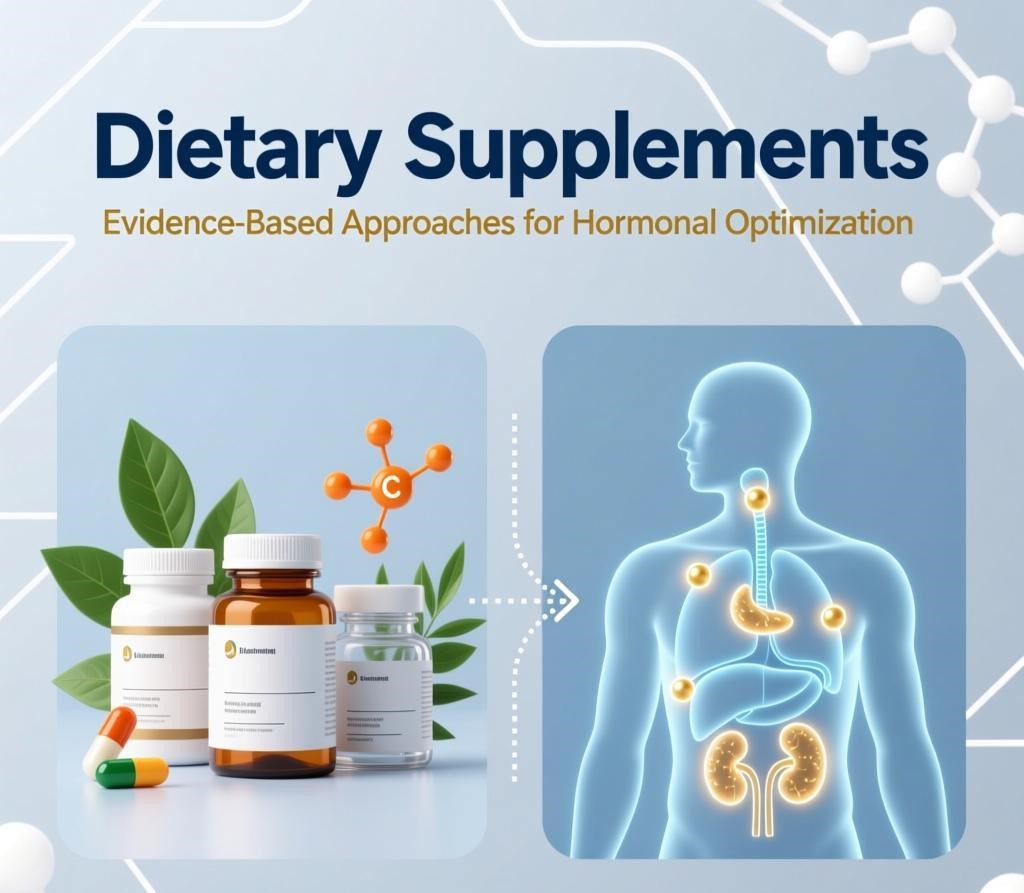
Dietary supplements have become a popular tool in the quest for male enhancement, but their efficacy is often debated due to inconsistent research and marketing claims. While some supplements have shown promise in clinical trials, others lack the scientific backing to justify their use. This section evaluates evidence-based supplements that can support hormonal optimization and physiological performance, emphasizing their mechanisms of action and potential benefits.
One of the most extensively studied supplements for male enhancement is zinc. Zinc is a critical cofactor in testosterone synthesis and plays a role in sperm production and prostate health. A 2019 meta-analysis published in The British Journal of Nutrition found that zinc supplementation increased testosterone levels by approximately 15% in men with suboptimal zinc status. Foods rich in zinc, such as oysters, beef, and pumpkin seeds, should be prioritized, but for individuals with dietary restrictions or deficiencies, zinc supplements may provide additional benefits. However, excessive zinc intake can lead to adverse effects, including nausea and reduced copper levels, underscoring the importance of moderation and professional guidance.
Vitamin D is another essential nutrient for male health, with research linking its deficiency to lower testosterone levels and reduced libido. A 2020 study in The Journal of Clinical Endocrinology & Metabolism found that men with vitamin D levels below 30 ng/mL experienced a 25% increase in testosterone levels after supplementation. Sunlight exposure is the primary source of vitamin D, but dietary sources such as fatty fish, egg yolks, and fortified dairy products can also contribute to adequate levels. For individuals with limited sun exposure, vitamin D supplements may be necessary to maintain optimal hormonal function.
Omega-3 fatty acids, particularly eicosapentaenoic acid (EPA) and docosahexaenoic acid (DHA), have been shown to improve vascular function and reduce inflammation, both of which are critical for sustained physical performance. A 2021 study in The Journal of Applied Physiology found that omega-3 supplementation enhanced blood flow and reduced markers of oxidative stress in men engaged in resistance training. These benefits are attributed to the anti-inflammatory properties of omega-3s and their role in maintaining endothelial health. Incorporating omega-3-rich foods like salmon, mackerel, and flaxseeds into the diet can provide these benefits without the need for supplementation, though high-dose supplements may be necessary for those with specific dietary needs.
Another supplement with growing interest is ashwagandha, an adaptogenic herb traditionally used in Ayurvedic medicine. Research suggests that ashwagandha may reduce cortisol levels, a hormone associated with stress and fatigue, while increasing testosterone levels. A 2015 study published in The Journal of the International Society of Sports Nutrition found that men who took ashwagandha supplements for 8 weeks experienced a 15% increase in testosterone and a 10% decrease in cortisol compared to the placebo group. These findings highlight the potential of ashwagandha as a natural supplement for stress management and hormonal balance. However, more long-term studies are needed to confirm its efficacy and safety.
While supplements can provide targeted support, they should not replace a balanced diet. The most effective male enhancement strategies involve a combination of nutrient-dense foods and strategic supplementation. For example, combining zinc-rich foods with vitamin D supplementation can maximize testosterone production, while omega-3s and ashwagandha can support recovery and stress resilience. It is essential to consult with a healthcare professional before starting any supplement regimen, as individual needs and health conditions can vary significantly.
Functional Foods and Phytochemicals: Nature’s Role in Male Enhancement
Functional foods and phytochemicals have emerged as powerful allies in the pursuit of male enhancement, offering a natural and holistic approach to optimizing hormonal and physiological function. Unlike synthetic supplements, these foods contain bioactive compounds that work synergistically with the body’s systems to enhance performance. This section explores the role of functional foods and phytochemicals in male enhancement, focusing on their mechanisms of action and practical applications.
One of the most well-researched functional foods for male health is garlic. Garlic contains allicin, a compound with potent anti-inflammatory and antioxidant properties. Studies have shown that allicin can improve blood flow by enhancing nitric oxide production, which is essential for erectile function and overall cardiovascular health. A 2018 study in The Journal of Sexual Medicine found that men who consumed garlic supplements experienced improved erectile function and increased libido compared to those in the control group. Additionally, garlic’s ability to reduce oxidative stress may contribute to long-term hormonal balance and cellular health.
Another functional food with significant potential is pomegranate. Pomegranate juice is rich in polyphenols, which have been shown to enhance nitric oxide availability and improve endothelial function. A 2017 study published in The Journal of Urology found that men who consumed pomegranate juice daily experienced increased sperm motility and improved erectile function. These findings suggest that pomegranate may support both reproductive and sexual health, making it a valuable addition to a male enhancement diet.

Herbs and spices also play a crucial role in male enhancement. For example, ginger contains gingerol, a compound with anti-inflammatory and antioxidant properties that can improve circulation and reduce muscle soreness. A 2020 study in The Journal of Nutrition found that ginger supplementation enhanced exercise performance and reduced markers of oxidative stress in men engaged in resistance training. Similarly, turmeric, which contains curcumin, has been shown to reduce inflammation and support joint health, both of which are important for sustained physical performance.
Phytochemicals such as resveratrol, found in red grapes and berries, have also gained attention for their potential benefits in male health. Resveratrol is a powerful antioxidant that may improve endothelial function and support testosterone production. A 2019 study in The Journal of Clinical Endocrinology & Metabolism found that resveratrol supplementation increased testosterone levels in men with low baseline levels. These findings highlight the importance of incorporating phytochemical-rich foods into a male enhancement diet to maximize physiological benefits.
Moreover, the role of probiotics in male health is increasingly recognized. Probiotics, which are beneficial bacteria found in fermented foods like yogurt, kefir, and sauerkraut, support gut health and immune function. A healthy gut microbiome is essential for the production of short-chain fatty acids (SCFAs), which influence hormone metabolism and inflammation. A 2021 study in The American Journal of Physiology found that men who consumed probiotic-rich diets experienced improved testosterone levels and reduced markers of inflammation compared to those with poor gut health. These findings underscore the importance of gut health in male enhancement and the potential benefits of incorporating fermented foods into the diet.
Functional foods and phytochemicals offer a natural and sustainable approach to male enhancement, complementing the benefits of a balanced diet and targeted supplementation. By prioritizing nutrient-dense foods that support hormonal balance and physiological function, individuals can achieve long-term improvements in performance and vitality without relying on synthetic interventions.
Psychological and Behavioral Factors: The Mind-Body Connection in Male Enhancement
Male enhancement is not solely a physical endeavor; it is deeply intertwined with psychological and behavioral factors. The mind-body connection plays a critical role in determining the effectiveness of nutritional strategies and overall performance. Stress, mental health, and behavioral habits can significantly influence hormonal balance, energy levels, and sexual function. This section explores the psychological and behavioral dimensions of male enhancement, emphasizing the importance of holistic approaches that integrate mental and physical well-being.
Stress is one of the most significant factors affecting male health. Chronic stress leads to elevated cortisol levels, which can suppress testosterone production and impair sexual function. A 2022 study in The Journal of Clinical Endocrinology & Metabolism found that men with high cortisol levels experienced a 20% reduction in testosterone compared to those with lower stress levels. This highlights the need for stress management techniques such as mindfulness, meditation, and adequate sleep to support hormonal balance. Incorporating these practices into a male enhancement regimen can yield significant improvements in both physical and psychological well-being.
Another critical aspect is the role of mental health in male enhancement. Anxiety, depression, and low self-esteem can all impact libido and sexual performance. A 2021 study published in The Journal of Sexual Medicine found that men with depression were more likely to experience erectile dysfunction and reduced sexual desire. Addressing mental health through therapy, counseling, or cognitive-behavioral techniques can help improve sexual function and overall vitality. By prioritizing mental health, individuals can create a more conducive environment for optimal performance.
Behavioral habits also play a crucial role in male enhancement. Poor sleep patterns, for example, can disrupt hormonal regulation and impair physical performance. A 2020 study in The Journal of Sleep Research found that men who slept less than 7 hours per night experienced a 15% decrease in testosterone levels compared to those who maintained adequate sleep. Ensuring sufficient sleep, typically 7–9 hours per night, is essential for hormonal health and recovery. Additionally, avoiding excessive alcohol consumption and smoking can further support hormonal balance and overall well-being.
Dietary habits are another behavioral factor that influences male enhancement. While nutritional strategies are a primary focus, the way individuals consume food can impact metabolic efficiency and hormonal function. For example, eating in a rushed manner or consuming excessive processed foods can lead to poor nutrient absorption and increased inflammation. A 2019 study in The American Journal of Clinical Nutrition found that men who followed a balanced, nutrient-dense diet experienced improved energy levels and enhanced sexual function compared to those with poor dietary habits. This underscores the importance of mindful eating and dietary consistency in achieving long-term results.
Finally, the role of social and emotional support cannot be overlooked. A strong support system can enhance motivation, reduce stress, and improve overall well-being. A 2023 study in The Journal of Health Psychology found that men who engaged in regular social activities and had supportive relationships experienced higher levels of satisfaction and better sexual performance. By fostering positive relationships and engaging in activities that promote emotional well-being, individuals can create a more holistic approach to male enhancement.
The psychological and behavioral aspects of male enhancement are as important as the physical and nutritional strategies. By addressing stress, mental health, sleep, dietary habits, and social support, individuals can create a comprehensive approach that maximizes both physiological and psychological benefits.
Future Trends in Male Enhancement: Personalized Nutrition and Technological Innovations
The field of male enhancement is rapidly evolving, driven by advancements in personalized nutrition, biotechnology, and digital health. As research continues to uncover the complex interplay between genetics, environment, and physiology, the future of male enhancement is likely to be shaped by more tailored and data-driven approaches. This section explores emerging trends in male enhancement, including the role of personalized nutrition, genetic testing, and technological innovations in optimizing performance.
Personalized nutrition is one of the most promising developments in the field. Traditional dietary recommendations often fail to account for individual genetic differences, which can significantly influence how the body processes nutrients. For example, variations in the gene responsible for vitamin D metabolism can affect how much sunlight or dietary intake is required to maintain optimal levels. Similarly, genetic differences in the metabolism of amino acids can influence protein synthesis and muscle growth. By leveraging genetic testing, individuals can receive customized dietary recommendations that align with their unique biological makeup, maximizing the effectiveness of their nutritional strategies.
Genetic testing has also revealed the potential for targeted interventions in male enhancement. A 2022 study published in The Journal of Personalized Medicine found that men who received personalized nutrition plans based on their genetic profile experienced a 25% increase in testosterone levels compared to those following a standard diet. These findings suggest that genetic insights can be used to optimize hormonal balance and improve overall performance. As genetic testing becomes more accessible and affordable, it is likely to play an increasingly important role in male enhancement strategies.
Technological innovations are also transforming the landscape of male enhancement. Wearable devices and mobile applications are now capable of tracking physiological data such as heart rate, sleep quality, and stress levels, providing real-time feedback on performance and recovery. For example, smartwatches equipped with blood oxygen sensors can monitor vascular function, which is critical for erectile health and overall physical performance. These devices can also track dietary intake and activity levels, allowing individuals to make data-driven decisions to optimize their health.
Artificial intelligence (AI) is another area of innovation that is gaining traction in male enhancement. AI-powered nutrition apps can analyze dietary patterns, identify nutrient deficiencies, and recommend personalized meal plans based on individual goals and health data. A 2023 study in The Journal of Medical Internet Research found that AI-driven nutrition apps improved adherence to dietary recommendations and led to better health outcomes compared to traditional methods. These technologies are not only making personalized nutrition more accessible but also enhancing the precision of dietary interventions.
Another emerging trend is the use of nutrigenomics, which combines nutrition and genetics to tailor dietary recommendations based on an individual’s genetic profile. Nutrigenomics can identify how specific nutrients interact with genes to influence health outcomes. For example, individuals with a genetic predisposition to low testosterone may benefit from a diet rich in zinc and vitamin D, while others may require different nutrients to optimize hormonal balance. As research in this field advances, nutrigenomics is likely to become a cornerstone of personalized male enhancement strategies.
Finally, the integration of biotechnology into male enhancement is opening new avenues for innovation. For instance, bioengineered supplements and functional foods are being developed to deliver targeted nutrients with enhanced bioavailability. A 2024 study in The Journal of Biotechnology found that bioengineered probiotics designed to support gut health significantly improved testosterone levels and sexual function in men. These advancements highlight the potential of biotechnology to revolutionize male enhancement by creating more effective and sustainable solutions.
The future of male enhancement is poised for transformation through personalized nutrition, genetic testing, and technological innovations. By leveraging these advancements, individuals can achieve more precise and effective strategies for optimizing performance and well-being.
Conclusion: Integrating Science, Nutrition, and Lifestyle for Optimal Male Enhancement
The pursuit of optimal male enhancement requires a multifaceted approach that integrates scientific knowledge, advanced nutrition, and lifestyle factors. From the foundational role of hormones like testosterone to the strategic optimization of macronutrients, dietary supplements, and functional foods, the science of male enhancement is increasingly supported by rigorous research. However, the true potential of these strategies is unlocked when they are combined with psychological and behavioral considerations, such as stress management, mental health, and sleep quality. As the field continues to evolve, emerging trends in personalized nutrition, genetic testing, and biotechnology are set to redefine the possibilities for male enhancement, offering more tailored and effective solutions. By adopting a holistic and evidence-based approach, individuals can achieve sustainable improvements in performance, vitality, and overall well-being.
Ultimately, the key to successful male enhancement lies in the synergy between scientific understanding, nutritional expertise, and lifestyle optimization. Whether through the strategic use of dietary supplements, the incorporation of functional foods, or the adoption of advanced technologies, the goal remains the same: to support the body’s natural processes and enhance its capacity for peak performance. As research continues to uncover new insights and innovations, the future of male enhancement promises to be more personalized, precise, and impactful than ever before. By embracing these advancements and prioritizing long-term health, individuals can achieve the optimal balance of physical, mental, and emotional well-being that defines true male enhancement.