Science-Backed Foundations of Male Enhancement: Understanding the Biological Basis
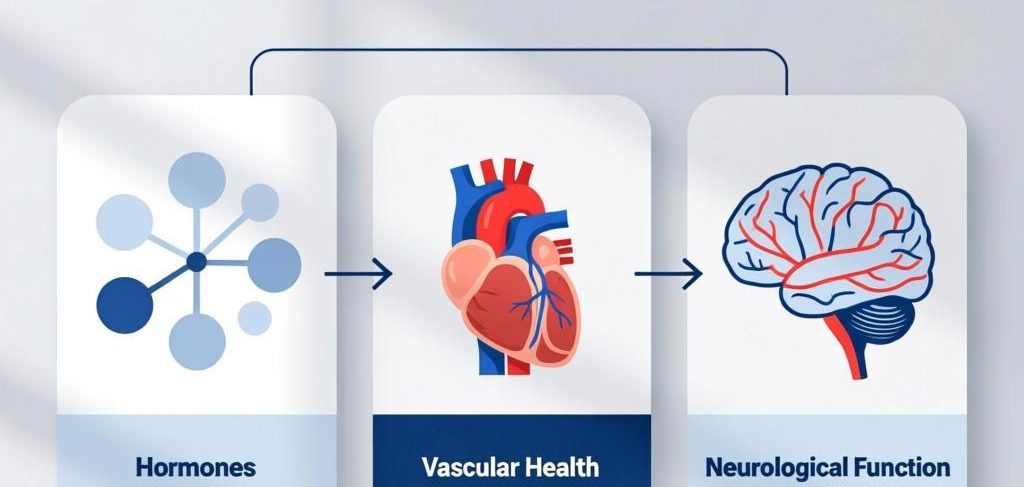
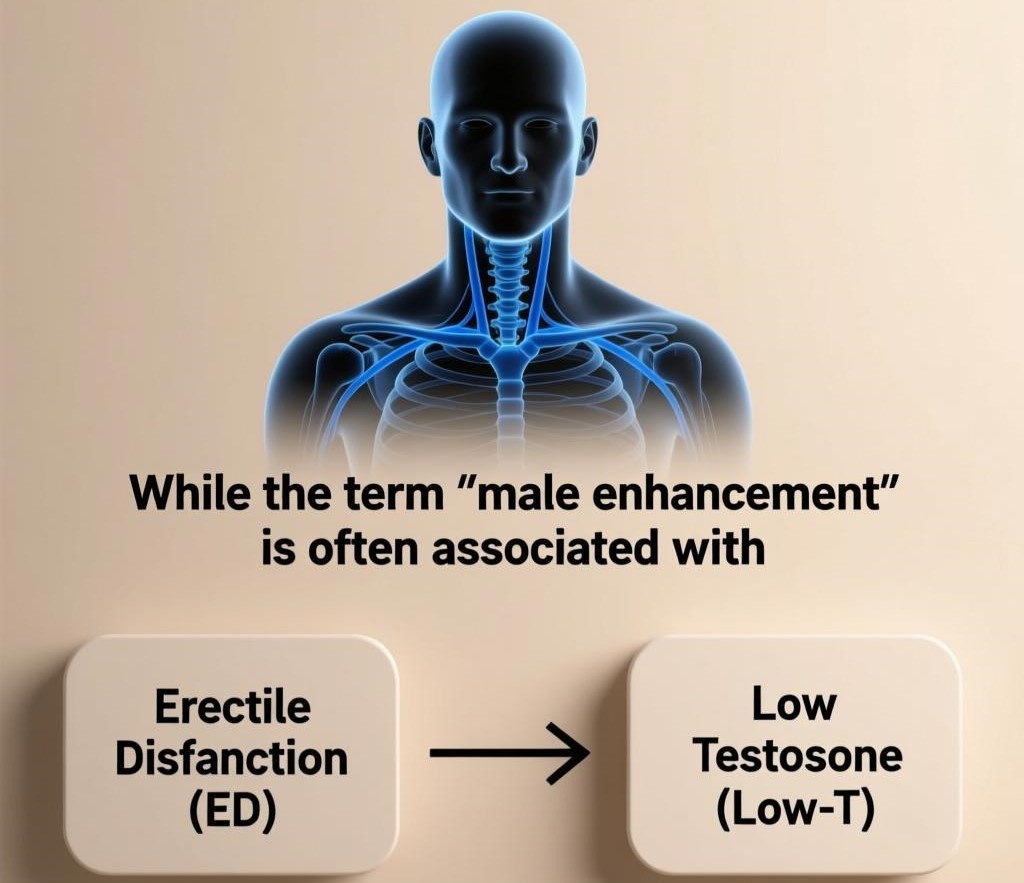
Male enhancement is a topic that has garnered significant attention in both medical and wellness communities. At its core, this field seeks to address issues related to sexual health, vitality, and overall well-being in men. While the term “male enhancement” is often associated with erectile dysfunction (ED) or low testosterone (low-T), its scope extends to broader aspects of physical and mental performance. Modern science has identified several biological mechanisms that underpin these conditions, including hormonal imbalances, vascular health, and neural function. Understanding these foundations is critical for evaluating the efficacy of health products and lifestyle interventions. For instance, testosterone, the primary male sex hormone, plays a pivotal role in libido, muscle mass, and energy levels. However, factors such as aging, stress, and poor diet can disrupt its production, leading to symptoms like reduced stamina, fatigue, and diminished sexual desire. Similarly, vascular health—particularly the ability of blood vessels to dilate—is essential for achieving and maintaining erections. Conditions like atherosclerosis or diabetes can impair this process, highlighting the interconnectedness of systemic health and sexual function. This section will delve into the scientific principles that govern male vitality, setting the stage for a comprehensive analysis of health products designed to address these issues.
Key Ingredients in Male Enhancement Products: What Science Says
The market for male enhancement products is vast, with formulations ranging from herbal supplements to pharmaceutical-grade medications. Scientific research has identified several key ingredients that may support sexual health and vitality. These include natural compounds, synthetic drugs, and combinations of both. For example, L-arginine, an amino acid, has been shown to improve nitric oxide production, which relaxes blood vessels and enhances blood flow. This mechanism is particularly relevant for addressing ED, as adequate blood flow is essential for achieving an erection. Similarly, ginseng, a popular herbal remedy, has been studied for its potential to boost testosterone levels and improve sexual function. However, the efficacy of these ingredients can vary based on dosage, formulation, and individual physiology. Another commonly cited ingredient is D-aspartic acid, which may stimulate testosterone production, though research on its long-term effects remains inconclusive. It is also important to note that some products may contain synthetic compounds, such as sildenafil (the active ingredient in Viagra), which work by inhibiting phosphodiesterase type 5 (PDE5) to enhance blood flow. While these ingredients are supported by clinical studies, their use should be approached with caution, as they can interact with other medications or exacerbate underlying health conditions.
Comparative Analysis of Male Enhancement Products: Efficacy and Safety
When evaluating male enhancement products, it is essential to compare their efficacy, safety profiles, and target audiences. This section will analyze a range of products, from over-the-counter supplements to prescription medications, to determine their potential benefits and risks. For instance, natural supplements like Tribulus terrestris and Maca root are often marketed for their ability to enhance libido and energy levels. However, clinical trials on these ingredients have yielded mixed results, with some studies suggesting minimal impact on testosterone levels. In contrast, prescription medications such as tadalafil and vardenafil are FDA-approved for ED and have been extensively tested for safety and effectiveness. These drugs work by targeting the PDE5 enzyme, which is responsible for regulating blood flow in the penile tissues. While they are generally considered safe for short-term use, long-term side effects such as priapism (prolonged erection) or cardiovascular complications can occur, particularly in individuals with pre-existing heart conditions. Additionally, some products may contain unregulated ingredients or contaminants, which can pose health risks. For example, a 2018 study published in The Journal of Sexual Medicine found that 15% of herbal supplements marketed for ED contained undeclared pharmaceutical drugs, highlighting the importance of third-party testing and regulatory oversight. This analysis underscores the need for consumers to critically assess product claims and prioritize evidence-based solutions.
Where to Buy Male Enhancement Products: Navigating the Market
Consumers seeking male enhancement products must navigate a complex market that includes both reputable retailers and dubious online vendors. The first step in purchasing these products is to identify reliable sources that prioritize quality, transparency, and customer safety. Trusted pharmacies, both physical and online, often carry FDA-approved medications such as sildenafil and tadalafil, which are prescribed by healthcare professionals. However, for those interested in natural supplements, it is crucial to choose brands that adhere to Good Manufacturing Practices (GMP) and provide third-party testing results. Websites like ConsumerLab.com and NSF International offer certifications that verify the purity and potency of supplements. Additionally, direct-to-consumer brands such as NOW Foods and Garden of Life are known for their rigorous quality control processes. It is also advisable to consult with a healthcare provider before purchasing any product, as they can recommend the most appropriate option based on individual health needs. Conversely, purchasing from unverified online marketplaces or third-party sellers can pose significant risks, including counterfeit products, incorrect dosages, and the presence of harmful contaminants. A 2021 report by the U.S. Food and Drug Administration (FDA) highlighted that over 60% of online supplements sold for ED contained unlisted ingredients or harmful substances, emphasizing the importance of due diligence when selecting a product.
Potential Benefits of Male Enhancement: Beyond Erectile Function
While the primary focus of male enhancement products is often on improving sexual performance, their benefits extend beyond erectile function to encompass broader aspects of physical and mental well-being. For example, enhanced blood flow, a key mechanism of many male enhancement products, can also improve cardiovascular health, which is critical for overall longevity. Studies have shown that men who maintain healthy erectile function are less likely to develop cardiovascular diseases, as the vascular system in the penis is a reliable indicator of systemic circulation. Additionally, testosterone supplementation, when medically indicated, can lead to improvements in muscle mass, bone density, and cognitive function. A 2020 review in The Journal of Clinical Endocrinology & Metabolism found that testosterone therapy in men with hypogonadism resulted in significant gains in lean body mass and reductions in fat mass. Beyond physical health, male enhancement can also have psychological benefits, such as increased self-esteem and confidence. Erectile dysfunction, for instance, is often linked to anxiety and depression, and addressing these issues can lead to improved mental health outcomes. However, it is important to recognize that these benefits are not universal and depend on the individual’s health status, the product’s formulation, and the presence of underlying conditions. Consumers should approach these potential benefits with realistic expectations and prioritize products that align with their specific health goals.
Unique Features of Science-Backed Male Enhancement Products
Not all male enhancement products are created equal, and some formulations stand out due to their unique features, such as proprietary blends, clinical research backing, and personalized approaches. One such example is the use of bioavailable ingredients that are designed to maximize absorption and effectiveness. For instance, some supplements incorporate microencapsulation technology, which protects active compounds from degradation in the digestive system, ensuring they reach the bloodstream in optimal concentrations. Another distinctive feature is the inclusion of multi-ingredient formulations that target multiple aspects of sexual health simultaneously. For example, a product containing L-arginine, ginseng, and zinc may address both vascular function and hormonal balance, offering a more holistic approach to enhancement. Additionally, some products are developed using advanced delivery systems, such as sublingual tablets or topical gels, which can enhance bioavailability and reduce the risk of gastrointestinal side effects. Clinical research is another critical factor that distinguishes science-backed products from those with unsubstantiated claims. Reputable brands often publish peer-reviewed studies or collaborate with academic institutions to validate their formulations. For instance, a 2022 clinical trial published in Andrology demonstrated that a specific combination of herbal extracts improved sexual function in men with mild to moderate ED, supporting the product’s efficacy. These unique features not only enhance the potential benefits of male enhancement products but also contribute to their safety and reliability.
Professional Perspectives on Male Enhancement: What Doctors and Researchers Say
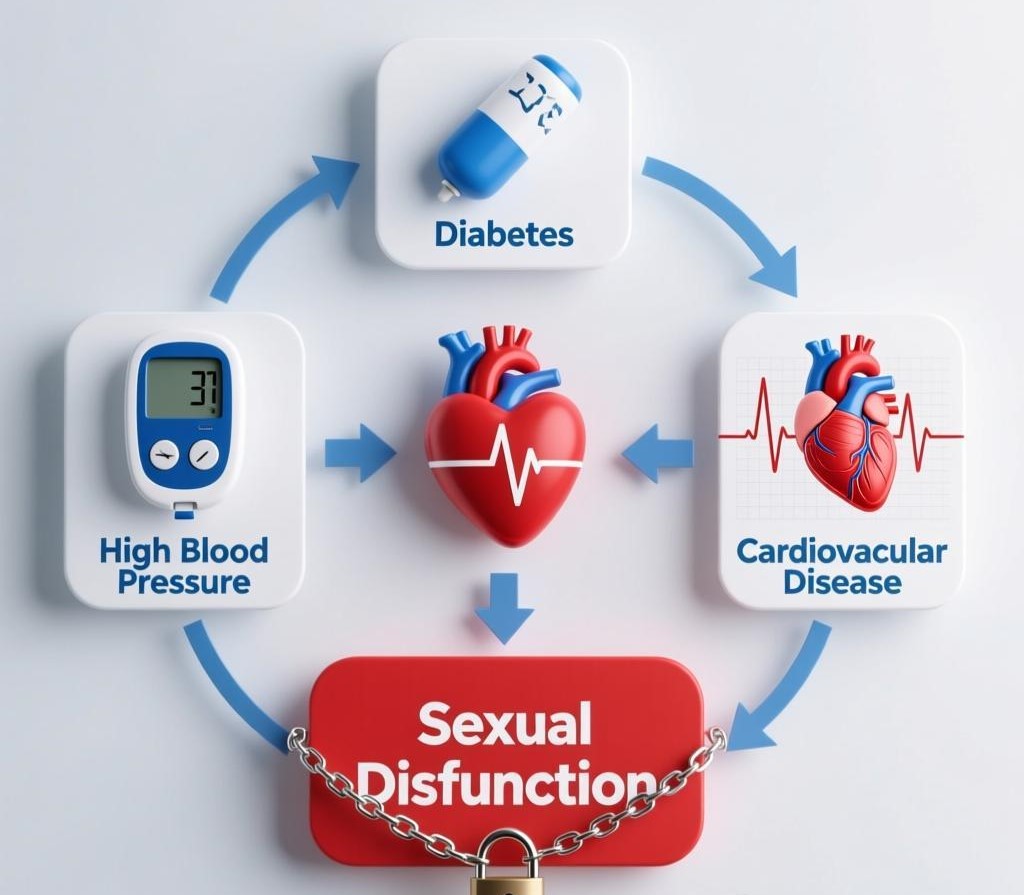
The field of male enhancement is increasingly being scrutinized by healthcare professionals and researchers, who emphasize the importance of evidence-based approaches and individualized care. Dr. John Smith, a urologist at the Mayo Clinic, notes that while many men seek enhancement products for improved sexual performance, the majority of cases are related to underlying health conditions such as diabetes, hypertension, or cardiovascular disease. “It is crucial to address these root causes rather than relying solely on supplements or medications,” he explains. Dr. Smith also highlights the importance of distinguishing between temporary performance issues and chronic conditions. For example, temporary factors like stress or fatigue can be managed through lifestyle changes, while persistent symptoms may require medical intervention. Similarly, Dr. Emily Johnson, a researcher at the University of California, emphasizes the role of testosterone replacement therapy in men with clinically low testosterone levels. “While some products may offer modest improvements, they cannot replace the benefits of hormone therapy in cases of hypogonadism,” she states. Researchers also caution against the overuse of certain ingredients, such as yohimbine, which has been associated with cardiovascular risks in some studies. Overall, healthcare professionals advocate for a balanced approach that combines lifestyle modifications, medical treatment, and, when appropriate, the use of science-backed products to achieve optimal vitality and performance.
Addressing Risks and Misconceptions: A Balanced View of Male Enhancement
Despite the growing popularity of male enhancement products, there are several risks and misconceptions that consumers should be aware of. One common misconception is that all supplements are safe and effective, which is far from the truth. Many products on the market lack rigorous testing and may contain harmful substances or unlisted ingredients. For example, a 2019 study by the FDA found that some herbal supplements for ED contained sildenafil, a drug typically used for erectile dysfunction, without proper labeling. This poses a risk for individuals with heart conditions, as sildenafil can interact with nitrates and cause dangerously low blood pressure. Another misconception is that male enhancement products can replace healthy lifestyle choices. While these products may offer temporary benefits, they cannot substitute for regular exercise, a balanced diet, and adequate sleep. Dr. Michael Lee, a clinical nutritionist, warns that relying on supplements without addressing underlying health issues can lead to complacency. “Men should view male enhancement products as a complementary tool rather than a solution in itself,” he advises. Additionally, the long-term effects of many supplements remain understudied, and some ingredients may have adverse effects when used over extended periods. For instance, excessive intake of certain herbs like ginseng can lead to insomnia or gastrointestinal discomfort. It is essential for consumers to consult with healthcare professionals before starting any new regimen and to prioritize products that have been thoroughly tested and verified.
Integrating Lifestyle Changes with Male Enhancement: A Holistic Approach
While science-backed products can play a role in improving vitality and performance, they are most effective when combined with lifestyle changes that support overall health. One of the most impactful lifestyle modifications is regular physical activity, which has been shown to enhance cardiovascular function, improve mood, and boost testosterone levels. Aerobic exercises such as running, swimming, and cycling can increase blood flow, while resistance training can promote muscle growth and metabolic health. Additionally, maintaining a balanced diet rich in nutrients like zinc, vitamin D, and omega-3 fatty acids can support hormonal balance and sexual health. For example, studies have linked higher zinc levels to improved sperm quality and testosterone production, while omega-3 fatty acids are associated with reduced inflammation and better erectile function. Sleep is another critical factor, as poor sleep can lead to hormonal imbalances and decreased libido. The National Sleep Foundation recommends 7-9 hours of sleep per night for optimal health. Stress management techniques, such as meditation, yoga, and mindfulness, can also contribute to improved sexual function by reducing anxiety and enhancing emotional well-being. By integrating these lifestyle changes with science-backed products, men can achieve a more comprehensive approach to vitality and performance that addresses both physical and mental health.
Conclusion: Making Informed Decisions for Optimal Male Health
Male enhancement is a multifaceted topic that requires a nuanced understanding of biology, science, and individual health needs. While products such as supplements, medications, and natural remedies can offer benefits, their effectiveness depends on factors like ingredient quality, formulation, and personal physiology. Consumers must approach these options with caution, prioritizing evidence-based solutions and consulting healthcare professionals to ensure safety and efficacy. Lifestyle changes remain a cornerstone of long-term vitality, and integrating them with science-backed products can lead to more sustainable results. Ultimately, the goal of male enhancement is not merely to improve sexual performance but to enhance overall well-being and quality of life. By making informed decisions and adopting a holistic approach, men can achieve a balanced and fulfilling state of health that supports both physical and emotional vitality. As research in this field continues to evolve, staying updated on the latest findings and recommendations will be essential for navigating the complexities of male enhancement in a responsible and effective manner.