
Weight management is a complex and often emotionally charged journey. It’s rarely just about calories in versus calories out. It’s a confluence of genetics, metabolism, hormonal factors, psychological influences, lifestyle choices, and, sometimes, the need for medical intervention.
As a physician with years of experience helping patients achieve sustainable weight management, I’ve seen firsthand the struggles and triumphs.
This article aims to provide a comprehensive, multi-faceted perspective on FDA-approved medications for weight loss, balancing scientific understanding with practical considerations and addressing concerns from patient, physician, and ethical standpoints.
Understanding the Landscape of Weight Management
Before discussing medications, it’s crucial to establish a foundation. Obesity and overweight are defined by Body Mass Index (BMI), a calculation using height and weight. A BMI of 30 or higher indicates obesity; 25-29.9 indicates overweight. However, BMI is a screening tool, not a diagnostic one.
It doesn’t account for muscle mass, bone density, or body fat distribution, all of which influence health risk. Individuals with a lower BMI can still have metabolic abnormalities.
More importantly, weight is just one piece of a larger health puzzle. Metabolic syndrome, pre-diabetes, cardiovascular disease, sleep apnea, osteoarthritis – these are all potential consequences of excess weight, and addressing these comorbidities is essential for overall well-being.
Lifestyle modifications – diet, exercise, behavioral therapy – remain the cornerstone of any weight management plan. Medications are intended to supplement these efforts, not replace them. They are most effective when integrated into a comprehensive approach.
FDA-Approved Medications: A Detailed Overview
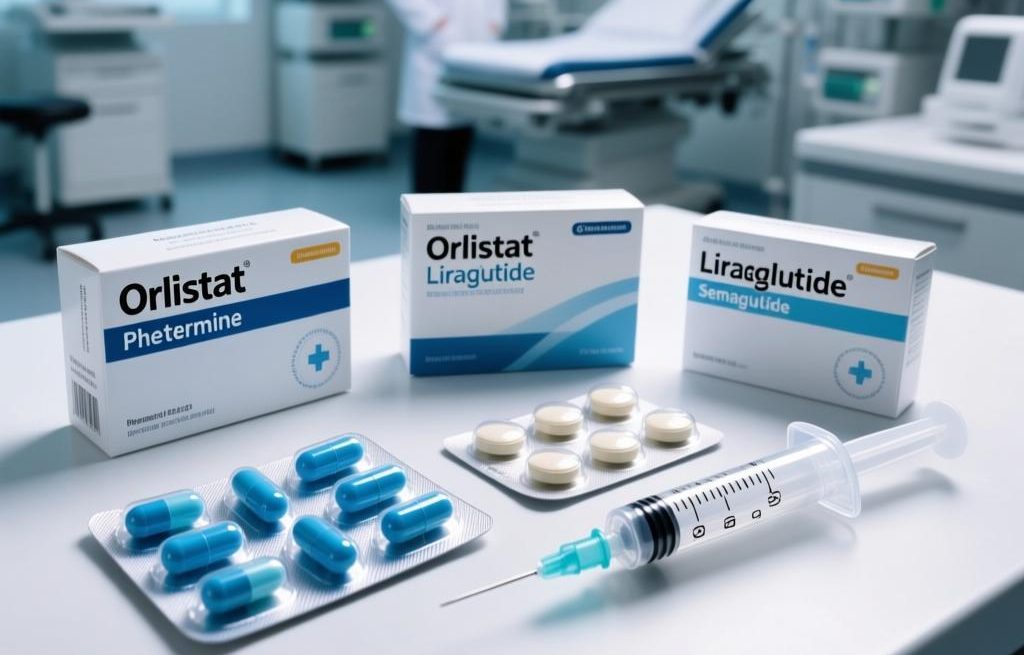
The landscape of weight loss medications has evolved significantly. Several medications have been approved, each with its own mechanism of action, benefits, and potential risks. We’ll break down the current approved options:
Orlistat (Xenical, Alli)
Mechanism: Orlistat inhibits pancreatic lipase, an enzyme that breaks down dietary fat. This results in reduced fat absorption, leading to calorie deficit. About 30% of ingested fat is not absorbed.
Benefits: Can lead to modest weight loss (approximately 5-10% of initial body weight). May also improve some metabolic parameters.
Risks: Common side effects include gastrointestinal distress – flatulence, fecal urgency, oily stools. Fat-soluble vitamin deficiencies (A, D, E, K) are possible and necessitate supplementation.
Patient Perspective: Patients often find the gastrointestinal side effects disruptive and may need to adjust their diet significantly to minimize discomfort. Alli, the over-the-counter version, contains a lower dose and may cause fewer side effects.
Phentermine (Adipex-P, Lomaira)
Mechanism: An amphetamine-like stimulant that suppresses appetite. It acts on the central nervous system to reduce hunger signals.
Benefits: More effective than orlistat for short-term weight loss (approximately 3-5% of initial body weight).
Risks: Potential for dependence and abuse due to its stimulant properties. Can increase heart rate and blood pressure. Requires careful monitoring, particularly in patients with cardiovascular conditions.
Patient Perspective: Some patients experience anxiety, insomnia, and irritability. Requires strict adherence to prescription guidelines.
Liraglutide (Saxenda)
Mechanism: A glucagon-like peptide-1 (GLP-1) receptor agonist. It mimics the action of natural GLP-1, which regulates blood sugar and promotes satiety.
Benefits: Effective for weight loss (approximately 5-8% of initial body weight). Also beneficial for patients with type 2 diabetes.
Risks: Gastrointestinal side effects (nausea, vomiting, diarrhea) are common, particularly when starting the medication. Risk of pancreatitis. Requires careful patient selection and monitoring.
Physician Perspective: Requires an understanding of GLP-1 receptor agonists and their impact on glucose control.
Semaglutide (Wegovy)
Mechanism: Similar to Liraglutide, Semaglutide is a GLP-1 receptor agonist with a longer duration of action.
Benefits: Demonstrated significant weight loss (approximately 14% of initial body weight in clinical trials). Also approved for management of type 2 diabetes.
Risks: Similar to Liraglutide, gastrointestinal side effects are common. Potential for thyroid C-cell tumors (based on animal studies; human risk unclear). Requires careful patient selection and monitoring.
Ethical Considerations: The high cost of Semaglutide has raised accessibility concerns and sparked debates about equitable distribution.
Naltrexone-Bupropion (Contrave)
Mechanism: A combination medication. Naltrexone is an opioid receptor antagonist, while bupropion is an antidepressant that affects dopamine and norepinephrine levels. The combined effect reduces cravings and appetite.
Benefits: Modest weight loss (approximately 5% of initial body weight). Can be helpful for patients who struggle with food cravings.
Risks: Potential for side effects related to both medications, including nausea, constipation, insomnia, and suicidal thoughts. Requires careful patient screening.
Patient Perspective: The combination of medications can sometimes lead to complex side effects requiring management.
Beyond the Medication: Holistic Considerations
While medications can be valuable tools, they are not magic bullets. A truly effective weight management strategy involves a holistic approach addressing multiple factors:
Behavioral Therapy & Counseling
Addressing underlying emotional and psychological factors related to eating is critical. Cognitive Behavioral Therapy (CBT), Dialectical Behavior Therapy (DBT), and other forms of counseling can help patients identify and modify unhealthy eating patterns, manage stress, and develop coping mechanisms.
Nutritional Guidance
Registered Dietitians (RDs) can provide personalized meal plans, educate patients about healthy eating habits, and help them navigate the challenges of dietary changes. Focus should be on sustainable changes rather than restrictive diets.
Physical Activity
Regular physical activity not only burns calories but also improves cardiovascular health, strengthens muscles, and boosts mood. Finding enjoyable activities that can be incorporated into a long-term routine is key.
Addressing Underlying Medical Conditions
Many medical conditions can contribute to weight gain or make weight loss more difficult. These include hypothyroidism, polycystic ovary syndrome (PCOS), Cushing’s syndrome, and sleep apnea. Addressing these conditions is essential for optimizing weight management outcomes.
The Physician’s Role: Responsible Prescribing & Patient Education
As physicians, we have a responsibility to prescribe medications responsibly and to educate patients about the potential benefits and risks. This includes:
Thorough Patient Evaluation
A comprehensive medical history, physical examination, and laboratory tests are essential to identify any underlying medical conditions that may influence treatment decisions.
Realistic Expectations
Clearly communicating the limitations of medications and emphasizing the importance of lifestyle modifications is crucial. Patients need to understand that medications are not a quick fix.
Monitoring & Follow-Up
Regular follow-up appointments are necessary to monitor progress, assess side effects, and adjust treatment plans as needed. This includes tracking weight, blood pressure, heart rate, and blood glucose levels.
Shared Decision-Making
Engaging patients in a collaborative decision-making process empowers them to take ownership of their health and increases adherence to treatment plans.
Conclusion
Navigating weight management is a multifaceted journey requiring a personalized and comprehensive approach. FDA-approved medications can be valuable tools when used judiciously and integrated into a lifestyle modification plan.
As physicians, our role extends beyond simply prescribing medication; it involves patient education, ongoing support, and a commitment to promoting long-term health and well-being. Remember, weight management is not just about the numbers on the scale; it’s about improving overall quality of life.
Disclaimer: This article provides general information and should not be considered medical advice. Always consult with a qualified healthcare professional before making any decisions about your health or treatment.
Frequently Asked Questions About Weight Loss Drugs
Weight loss medications have become increasingly popular, but many questions surround their use, safety, and effectiveness. This FAQ aims to address common concerns and provide clarity. Please remember that this is for informational purposes only and does not constitute medical advice. Always consult with your healthcare provider for personalized guidance.
General Questions About Weight Loss Drugs
- What are weight loss drugs and how do they work? Weight loss drugs are medications approved by the FDA to help individuals manage their weight. They work through various mechanisms, including suppressing appetite, reducing fat absorption, or affecting hormones that regulate hunger and metabolism. Examples include Orlistat, Phentermine, Liraglutide, Semaglutide, and Naltrexone-Bupropion.
- Who is a candidate for weight loss medication? Generally, individuals with a BMI of 30 or higher (obesity) or a BMI of 27 or higher with obesity-related health conditions (e.g., type 2 diabetes, high blood pressure, sleep apnea) may be considered candidates. Your doctor will assess your overall health and suitability.
- Do I need to make lifestyle changes while taking weight loss medication? Absolutely! Weight loss medication is meant to supplement, not replace, lifestyle modifications. A healthy diet, regular physical activity, and behavioral therapy are crucial for long-term success.
- How long do I need to take weight loss medication? This varies depending on the medication, individual response, and your doctor’s recommendation. Some medications are intended for short-term use (e.g., Phentermine), while others may be used longer-term under close monitoring (e.g., Semaglutide, Liraglutide). Discontinuation strategies are important to prevent weight regain.
- How much weight can I expect to lose with medication? Weight loss varies significantly based on the medication, individual factors, and adherence to lifestyle changes. Expect modest weight loss (3-5% of body weight) with some medications, while others may yield more significant results (5-15% or more). Realistic expectations are key.
Questions About Specific Medications
- What are the potential side effects of Orlistat (Xenical, Alli)? Common side effects include gastrointestinal issues like flatulence, fecal urgency, and oily stools. Fat-soluble vitamin deficiencies are also possible, requiring supplementation.
- Is Phentermine (Adipex-P, Lomaira) addictive? Phentermine has stimulant properties and carries a potential for dependence. It should be used under strict medical supervision and according to prescribed guidelines.
- What is GLP-1 and how do Liraglutide (Saxenda) and Semaglutide (Wegovy) work? GLP-1 is a hormone that regulates blood sugar and appetite. Liraglutide and Semaglutide are GLP-1 receptor agonists, mimicking the effects of GLP-1 to promote satiety and reduce appetite. They also have benefits for those with Type 2 Diabetes.
- Are there any serious risks associated with Liraglutide or Semaglutide? Potential risks include gastrointestinal side effects (nausea, vomiting, diarrhea), pancreatitis, and, with Semaglutide, a theoretical risk of thyroid C-cell tumors (based on animal studies). Careful screening and monitoring are essential.
- What is Naltrexone-Bupropion (Contrave) and how does it help with weight loss? Contrave combines Naltrexone (an opioid receptor antagonist) and Bupropion (an antidepressant). It reduces cravings and appetite, making it helpful for individuals who struggle with food cravings.
Safety and Important Considerations
- Are weight loss drugs safe? FDA-approved weight loss drugs are considered safe when used under medical supervision. However, all medications carry potential risks and side effects. A thorough discussion with your doctor is essential to weigh the benefits and risks.
- Can weight loss drugs interact with other medications? Yes, drug interactions are possible. It’s crucial to inform your doctor about all medications, supplements, and herbal remedies you are taking before starting a weight loss drug.
- Are weight loss drugs covered by insurance? Coverage varies significantly depending on your insurance plan and individual circumstances. It’s best to check with your insurance provider to determine coverage and any associated costs.
- What happens if I stop taking weight loss medication? Weight regain is common after stopping medication. A gradual tapering strategy, combined with continued lifestyle modifications, is often recommended to minimize weight regain and maintain long-term health.
- Are there any ethical concerns surrounding weight loss medications? Yes. Concerns include equitable access due to cost, potential for misuse, and the emphasis on medication as a primary solution rather than lifestyle changes. Responsible prescribing and patient education are paramount.